As Chinese tech giant Huawei breaks through U.S. export sanctions to launch a 5th generation mobile communication (5G) smartphone made with advanced semiconductor processes, calls are growing in the U.S. Congress to investigate potential violations of the sanctions.
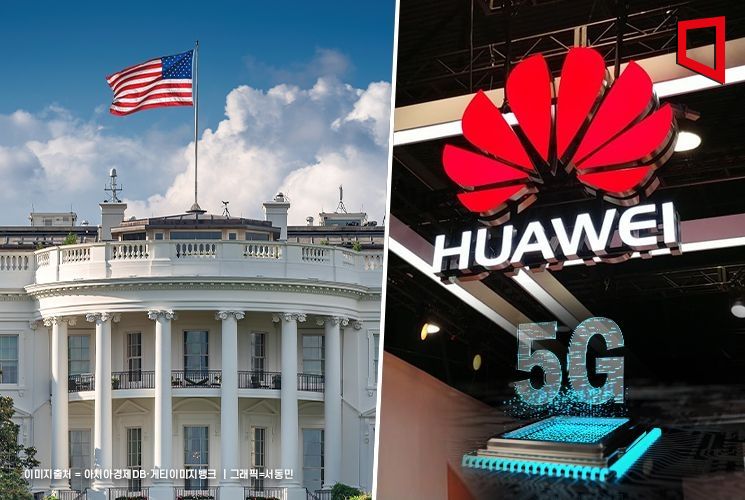
Michael McCaul, chairman of the U.S. House Foreign Affairs Committee, stated on the 6th (local time) that the Chinese company SMIC, which supplied the processor embedded in the new Huawei smartphone using a 7nm (nanometer, one billionth of a meter) process, "appears to have clearly violated U.S. sanctions."
While visiting the Netherlands, Chairman McCaul held a press conference at the U.S. Embassy in The Hague and said an investigation into SMIC is "necessary," adding that "SMIC is trying to acquire U.S. intellectual property." According to U.S. sanctions regulations, supplying products that use U.S. technology to Huawei requires approval from the U.S. government.
Bloomberg News reported that SMIC uses U.S. technology throughout its processes, but it is unclear whether SMIC holds a U.S. government license allowing it to supply products to Huawei.
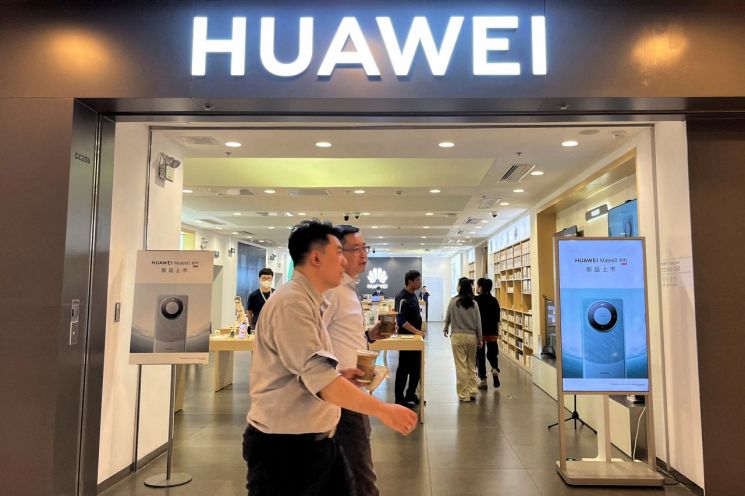
Earlier, Huawei, China's largest telecommunications equipment maker, released the premium smartphone 'Mate 60 Pro' equipped with a 7nm process processor, leading to assessments that China has made a breakthrough in semiconductor technology development despite U.S. sanctions.
However, Huawei has not disclosed details about the processor used in the smartphone or which generation of mobile communication it supports, nor has it commented on the procurement channels for the semiconductors, according to a report by the South China Morning Post (SCMP) at the end of last month.
Meanwhile, Chairman McCaul said at the press conference, "China is trying to monopolize the low-end semiconductor chip market," and added, "We have talked a lot about advanced semiconductors, but we also need to look at legacy chips," emphasizing the need for related regulations.
© The Asia Business Daily(www.asiae.co.kr). All rights reserved.
![Clutching a Stolen Dior Bag, Saying "I Hate Being Poor but Real"... The Grotesque Con of a "Human Knockoff" [Slate]](https://cwcontent.asiae.co.kr/asiaresize/183/2026021902243444107_1771435474.jpg)
















