[Fuel Efficiency AtoZ] To Improve Fuel Efficiency of Internal Combustion Engine Vehicles
Drive with 3 No's: No Sudden Braking, No Sudden Acceleration, No Idling
To Increase Electric Vehicle Energy Efficiency... Adjusting Climate Control is Key
Actively Use Regenerative Braking... Utilize Heated and Cooling Seats
Keep Battery Charge Capacity Below 80%
# Mr. A, an office worker living in Gimpo, Gyeonggi-do, has a habit of checking oil prices every morning. Recently, with the average price of gasoline exceeding 1,700 KRW per liter, the burden of fuel costs has increased. Filling up his commuter SUV costs over 100,000 KRW each time. Mr. A is considering how to save on fuel costs by driving more fuel-efficiently.
Experts emphasize that the most important habit is the ‘3-no (無) driving habits’: no sudden braking, no sudden acceleration, and no idling. Abruptly increasing or decreasing speed puts strain on the vehicle. Hard braking requires more power to accelerate again. Frequent use of brakes consumes more fuel even over the same distance.
To avoid sudden braking and acceleration, it is important to refrain from speeding and maintain a safe distance from the car ahead. Maintaining a steady speed through cruise driving is necessary. Using vehicle features like cruise control can help maintain a constant speed. Automakers are increasingly equipping new cars with ‘Smart Cruise Control.’ This feature automatically adjusts the distance to the car ahead and maintains the set speed, reducing driver fatigue and improving fuel efficiency.
Reducing the load in the car to minimize weight also helps improve fuel efficiency. The intense competition among automakers to develop lightweight yet strong steel materials is part of efforts to improve fuel economy. Removing unnecessary items and filling the fuel tank only 70-80% full, considering the weight of the fuel, is recommended.
Tires also greatly affect fuel efficiency. Experts stress the importance of maintaining proper tire pressure above all else. If tire pressure is lower than standard, the steering becomes heavier and fuel efficiency worsens. Conversely, if the pressure is too high, friction with the road surface decreases, wasting fuel.
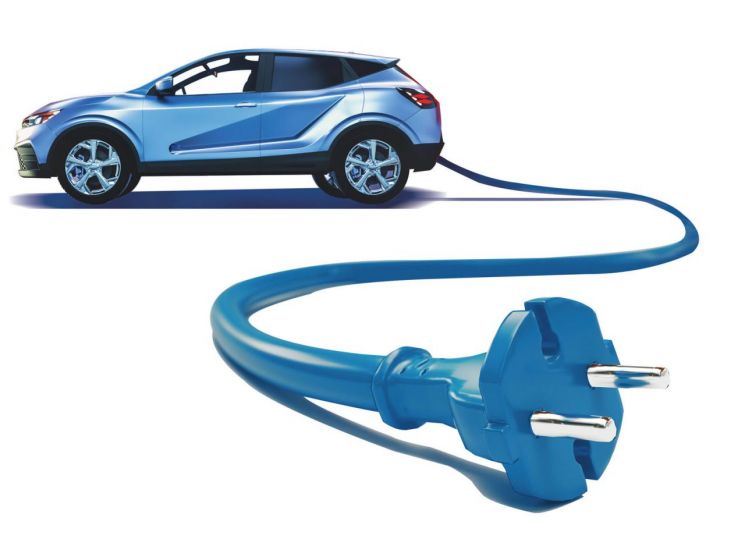
Internal combustion engine vehicles calculate fuel efficiency by distance per unit of fuel, while electric vehicles measure driving range based on battery capacity. So, what are some tips to improve the fuel efficiency, or energy consumption rate, of electric vehicles?
First, actively use the regenerative braking system in electric vehicles. Regenerative braking converts kinetic energy into electrical energy to charge the battery. When the accelerator pedal is released or the brake is applied, the kinetic energy generated is converted into electricity and stored in the battery. Proper use of regenerative braking allows charging the battery while driving. The regenerative braking level can be adjusted using the paddle shifters behind the steering wheel. Driving with the highest level (usually level 3) causes the vehicle to slow down quickly just by releasing the accelerator, charging the battery.
Second, use the climate control system (air conditioner or heater) appropriately. Climate control converts electrical energy into heat energy, consuming a lot of battery power. To improve energy consumption, it is better to use ventilated or heated seats rather than the air conditioner or heater. In the same vein, parking the car in an indoor underground garage during hot summers or cold winters is advisable. Cooling down a hot car or warming up the interior of a frozen car requires extensive use of air conditioning or heating. Maintaining an optimal cabin temperature is also beneficial for battery performance and lifespan management.
Another tip is to turn on the climate control system while charging. Using the air conditioner or heater during charging draws power from the charger rather than the battery. Recent new cars allow drivers to start the engine or pre-activate the air conditioner or heater using a smartphone. Setting the interior temperature appropriately before departure is convenient for the driver and reduces battery power loss. Also, using electronic devices like the radio while the engine is off drains the battery quickly and should be avoided.
The final secret to improving energy consumption is consistent battery management. Proper battery care not only improves energy efficiency but also extends vehicle lifespan. The more frequently an electric vehicle’s battery is discharged, the shorter its lifespan becomes. Therefore, it is important to avoid letting the battery level drop below 20%. Experts also advise not to charge beyond 80% of the battery capacity. Lithium-ion batteries, commonly used in domestic electric vehicles, can degrade in performance if exposed to high voltage (fast charging) for extended periods.
© The Asia Business Daily(www.asiae.co.kr). All rights reserved.
![Clutching a Stolen Dior Bag, Saying "I Hate Being Poor but Real"... The Grotesque Con of a "Human Knockoff" [Slate]](https://cwcontent.asiae.co.kr/asiaresize/183/2026021902243444107_1771435474.jpg)















