3,084 Drug Offenders Until April... 18 Military Drug Offenders
Ministry of National Defense, Coast Guard, and National Intelligence Service Newly Join Special Investigation Unit
The number of drug offenders detected from January to April this year increased by 29% compared to the same period last year. Among them, the number of drug users reached 3,084.
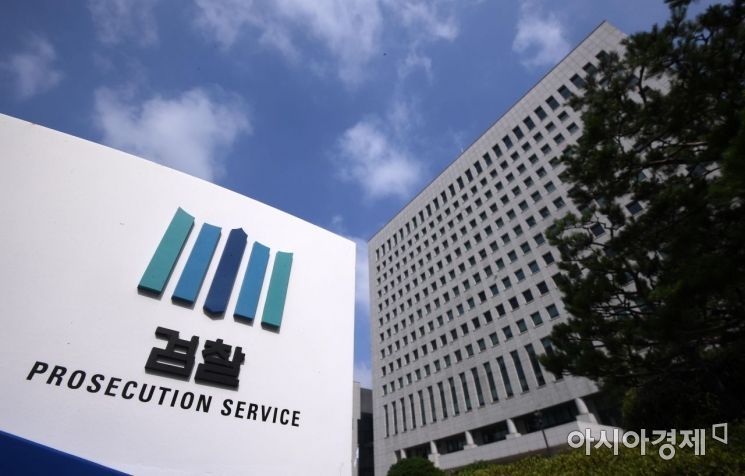
On the 14th, the Drug Organized Crime Division of the Supreme Prosecutors' Office (Chief Prosecutor Park Jae-eok) held the 2nd 'Special Investigation Headquarters for Drug Crimes' meeting with the police, Customs Service, Ministry of National Defense, Korea Coast Guard, and National Intelligence Service, expanding the dedicated drug investigation personnel from 840 to 974. The increase in personnel is due to the Ministry of National Defense, the Coast Guard, and the National Intelligence Service newly joining the special investigation headquarters.
With the Ministry of National Defense, the Coast Guard, and the National Intelligence Service joining, the special investigation headquarters expects increased investigation efficiency through information sharing on international drug crimes, blocking overseas drug smuggling on the high seas beyond airports and ports, and establishing a strict crackdown system on drug crimes within the military.
The special investigation headquarters pointed out that among drug users sentenced with confirmed judgments from 2020 to last year, 95.9% received imprisonment of less than two years, and 51% were given suspended sentences, indicating a weakening of social awareness regarding drug users.
Among the 5,587 drug offenders detected from January to April this year, 2,035 were in their teens and twenties, accounting for 36.4% of all drug offenders. Teenagers are also easily accessing drugs through SNS and overseas direct purchases, with the number of teenage drug offenders increasing about fourfold from 119 in 2017 to 481 last year.
Accordingly, the special investigation headquarters decided to establish disposition standards for drug users, stipulating that even first-time detected users who habitually or repeatedly use drugs or who remain silent or destroy evidence regarding distribution routes will be actively investigated under detention, and repeat offenders will be detained in principle.
It was agreed that all drug crime investigation agencies will share the prosecution's disposition standards for drug users and actively request detention warrants for drug users according to these standards. The prosecution will actively supplement investigations on sentencing materials such as the user's willingness to quit, habitual use, and concealment of sources, while the police will notify the prosecution even if important facts such as false statements about drug sources or vessels are revealed after transfer.
Furthermore, strict punishment for drug users will be enforced alongside judicial system measures to enable treatment and rehabilitation, activating treatment detention, treatment orders, and conditional suspension of prosecution with treatment.
Additionally, starting today, the prosecution will conduct specialized drug investigation training for a total of 141 military investigation personnel jointly with military prosecutors and military police. As of April this year, 18 drug offenders were detected within the military, exceeding 56% of the 32 total military drug offenders last year. The special investigation headquarters analyzed that drug crimes within the military are surging due to the rapid increase of drug offenders in their teens and twenties and the widespread use of non-face-to-face online drug transactions.
The special investigation headquarters plans to strictly respond to drug suppliers with a zero-tolerance policy, strongly suppress drug demand through establishing disposition standards for drug users and joint investigations, and simultaneously promote treatment and rehabilitation for drug users.
© The Asia Business Daily(www.asiae.co.kr). All rights reserved.