'70th Anniversary of Conquest'... Already the Record for Most Deaths Broken
"Environmental Changes and Excessive Climbing Permits Are Also Problems"
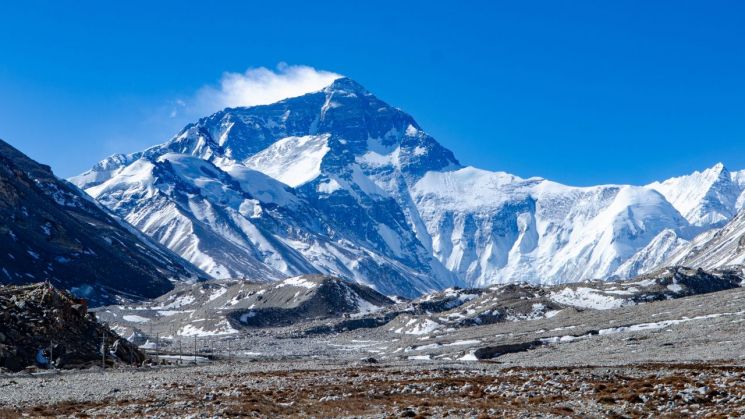
Unpredictable weather caused by climate change has affected the death toll on Mount Everest, the highest mountain in the world. This year is expected to be recorded as the year with the highest number of deaths on Everest. It also marks exactly 70 years since humans first conquered Everest.
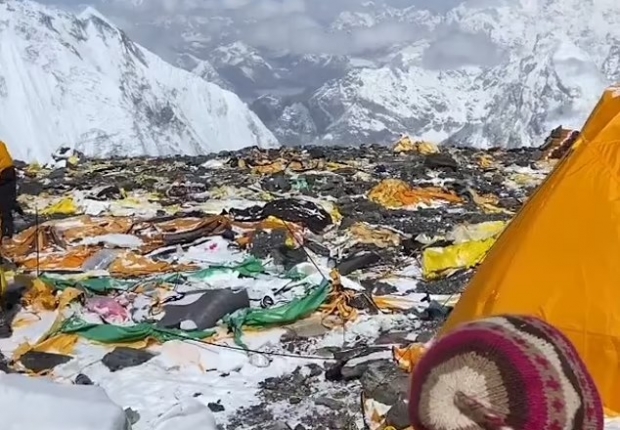
On the 30th of last month (local time), the British daily The Guardian reported that this year is recorded as the worst year with the highest number of deaths on Everest. The reason cited was the unpredictable weather around the summit caused by climate change.
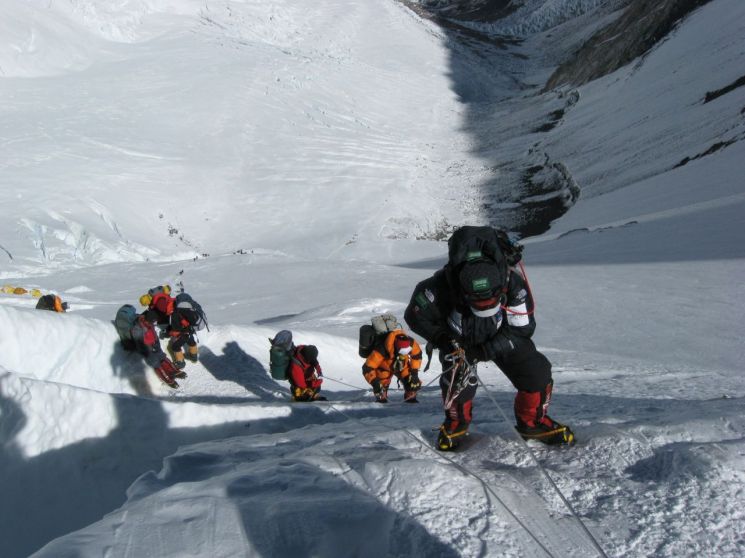
According to the 'Himalaya Database,' which compiles records related to Himalayan climbs, and Nepalese authorities, 17 climbers who attempted Everest expeditions during this spring climbing season have died.
Twelve deaths have been confirmed, and the remaining five have been out of contact for more than five days and are presumed dead.
The previous record for the highest annual death toll was 17 in 2014. Even in 2019, when climbers crowded the summit area to the point of congestion and danger, there were 11 deaths.
According to The Guardian, the average number of deaths during Everest climbs was about 5 to 10 per year, but in recent years, the number of deaths has been rapidly increasing. Experts attribute the increase in deaths to the severe weather unpredictability caused by climate change.
A Nepal Tourism Board official said, "The main cause is climate change," adding, "The weather conditions during this climbing season were not good."
The Guardian also pointed to the over-issuance of climbing permits as a cause. The climbing permit fee of ?12,000 (about 20 million KRW) per person is a major source of revenue for the Nepalese government, which issued a record-high 479 Everest climbing permits this spring climbing season.
Nepalese authorities explained that the climbing season started earlier and lasted longer than usual this year, so more permits were issued, but there was no overcrowding as previously feared. However, Sherpas (climbing guides) have a different opinion. Ang Norbu, president of the Nepal National Mountain Guide Association, pointed out that too many climbing permits have been issued, putting a burden on the Everest environment.
© The Asia Business Daily(www.asiae.co.kr). All rights reserved.
![Clutching a Stolen Dior Bag, Saying "I Hate Being Poor but Real"... The Grotesque Con of a "Human Knockoff" [Slate]](https://cwcontent.asiae.co.kr/asiaresize/183/2026021902243444107_1771435474.jpg)

















