The Ministry of Food and Drug Safety (MFDS) is consecutively canceling product approvals for domestic botulinum toxin (BTX) companies. The MFDS cited the issue of these companies distributing export-only products that had not received national batch release approval to domestic trading companies, but the companies argue that this is an indirect export method that has been ongoing for a long time.
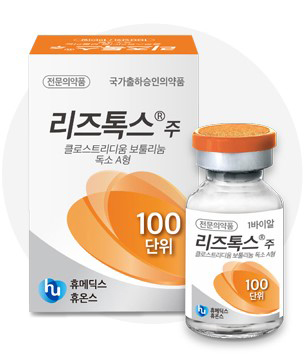
On the 2nd, the MFDS announced that it had detected that Huons Biopharma's BTX preparation 'Liztox Injection 100 Units' was sold domestically without national batch release approval, and initiated administrative actions including product approval cancellation and recall/disposal procedures. Furthermore, since it was confirmed that the product, which is exclusively for export, was sold domestically, a six-month suspension of all manufacturing operations will also be imposed.
Prior to Huons Biopharma, six domestic companies received similar administrative actions from the MFDS, including product approval cancellations and recall/disposal, for the same reasons. In October 2020, Medytox was subject to product approval cancellations and recall/disposal for some products of 'Medytoxine (50, 100, 150, 200 Units)' and 'Coretox' due to failure to obtain national batch release approval or violations of labeling regulations. Subsequently, BTX preparations from companies such as Hugel, PharmaResearch, Jetema, Korea BMI, and Korea BNC received the same sanctions. Among these, except for Medytox and Hugel, the companies were also subjected to a six-month suspension of all manufacturing operations after domestic sales of export products were confirmed. Most domestic BTX preparation manufacturers, except Daewoong Pharmaceutical, have received similar sanctions.
However, the six companies filed for provisional suspension of enforcement and simultaneously filed administrative lawsuits with the Administrative Court against the MFDS's sanctions. As the court accepted the provisional suspension, these products are currently being shipped normally.
The ongoing conflict between regulatory authorities and the industry over national batch release approval stems from differing interpretations of the BTX preparation export process. Biopharmaceuticals distributed domestically must obtain national batch release approval from the MFDS to check for deterioration or foreign substance contamination. National batch release approval involves reviewing manufacturing and quality control data by the MFDS and conducting tests for each manufacturing batch. In contrast, export-only pharmaceuticals do not require national batch release approval but cannot be distributed domestically.
The companies sanctioned by the MFDS have exported BTX preparations in the form of indirect exports. First, they supply BTX preparations to domestic trading companies or wholesalers, who then export them abroad. In this process, BTX preparations were handed over to trading companies without national batch release approval, which the MFDS judged as domestic sales. Since export-only pharmaceuticals were sold domestically, this was considered a violation of the Pharmaceutical Affairs Act.
On the other hand, the companies argue that the indirect export method of supplying intermediaries for export purposes has been a long-standing practice, and they protest that the MFDS is suddenly raising issues. The industry explains that the MFDS has also maintained the position that national batch release approval procedures are not required for export-only pharmaceuticals.
There are also claims that such sanctions are unfair in the context of the abolition of the pharmaceutical import/export business licensing system. Earlier, when Hugel was indicted in March for violating the Pharmaceutical Affairs Act, it argued, "At the time of the 1991 amendment to the Pharmaceutical Affairs Act, dual regulations under the Pharmaceutical Affairs Act and the Foreign Trade Act were eased to encourage exports by abolishing the import/export business licensing system, excluding export matters from the scope of the Pharmaceutical Affairs Act." This fact also indicates the unfairness of sanctions on indirect exports. The amendment abolished the pharmaceutical import/export business licensing system and stipulated that pharmaceutical exports follow the Foreign Trade Act procedures.
Meanwhile, the Daejeon District Court is scheduled to deliver a first-instance ruling early next month on the administrative lawsuit filed by Medytox seeking cancellation of the MFDS's manufacturing and sales suspension orders for Medytoxin and Coretox. Since companies sanctioned by the MFDS are presenting arguments similar to Medytox's, attention is focused on the outcome of the first trial.
BTX is a highly toxic substance extracted from the botulinum bacteria, one of the causes of food poisoning, which induces paralysis of the human nervous system. When BTX is injected under the skin, it causes slight muscle paralysis, making it useful for medical purposes or cosmetic use to smooth wrinkles. The American pharmaceutical company Allergan was the first to commercialize this substance and branded it as 'Botox,' a trademark name that has become widely used as a generic term.
© The Asia Business Daily(www.asiae.co.kr). All rights reserved.
![Clutching a Stolen Dior Bag, Saying "I Hate Being Poor but Real"... The Grotesque Con of a "Human Knockoff" [Slate]](https://cwcontent.asiae.co.kr/asiaresize/183/2026021902243444107_1771435474.jpg)















