Increase in Foreign Tourists, Q1 Occupancy Rate Over 80%
Large-Scale Conferences Held, Business Demand Surges
Weekend Domestic Hotel Stays → Weekday Foreign Guest Ratio Rises
Major hotels in downtown Seoul are filling rooms on weekdays for the first time in four years since COVID-19. With the endemic phase (periodic outbreaks of infectious diseases), not only foreign tourists but also foreign business demand has expanded, leading some hotels to continue posting performance that exceeds pre-COVID-19 levels in the first quarter of this year.
According to the hotel industry on the 12th, Parnas Hotel's operating profit in the first quarter of this year surged 2.4 times to 21.5 billion KRW compared to 8.9 billion KRW in the same period last year. During the same period, sales increased by 58.5% from 61.4 billion KRW in the previous year to 97.3 billion KRW, surpassing the hotel's target of 85.1 billion KRW. Hotel Shilla also saw its hotel & leisure division's operating profit in the first quarter rise 288% to 9.3 billion KRW compared to the same period last year. Sales also increased by 24% to 143.6 billion KRW. Chosun Hotel & Resort also turned a profit with an operating profit of 4 billion KRW in the first quarter due to improved occupancy rates. Sales rose 31.6% to 119.4 billion KRW.
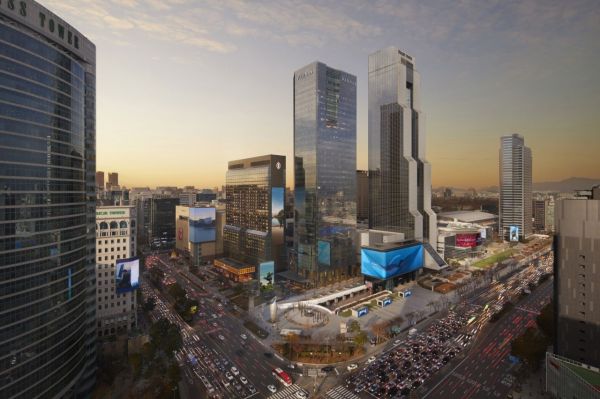
The driving forces behind these hotels' performance were the 'return of foreigners' and 'expansion of large-scale event demand.' Foreign tourists from various nationalities including Greater China, Japan, and the United States greatly contributed to the recovery of weekday occupancy rates at 4-star business hotels, which had been nearly empty during the COVID-19 period. The business hotel Nine Tree, operated by Parnas Hotel, recorded an occupancy rate of 82.4% in the first quarter of this year. This is a noticeable increase compared to 61.9% in the same period last year. The proportion of foreign guests at Nine Tree Hotel significantly increased with the onset of the endemic, already recovering to pre-COVID-19 levels in the first quarter. Nine Tree Hotel's total sales in the first quarter increased by 107% year-on-year, and operating profit grew by 296%.
Shilla Hotel's Shilla Stay also improved its occupancy rate to 79% in the first quarter, up from 73% in the same period last year. Lotte Hotel L7 leveraged its prime locations in downtown tourist areas such as Myeongdong and Hongdae to fill weekday demand mainly with foreigners, with about 80% of recent guests being foreign nationals. Four Points by Sheraton Josun, Seoul Myeongdong, operated by Chosun Hotel & Resort, also saw the proportion of foreign guests steadily recover in the first quarter, reaching 90% last month. One hotel official said, "Business hotels, which during COVID-19 mainly served domestic guests on weekends and holidays for staycations, are now filling most rooms on weekdays, regaining the pre-COVID-19 atmosphere."
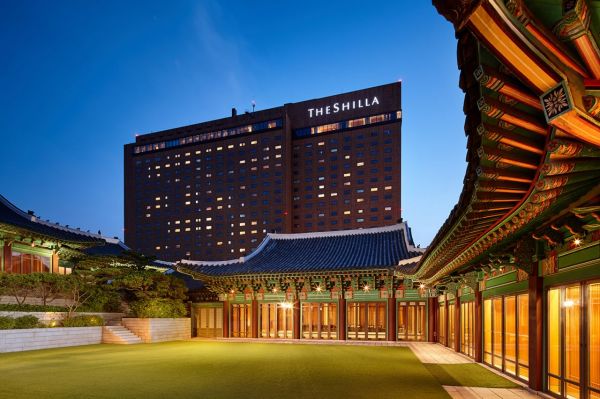
The expansion of MICE (Meetings, Incentives, Conventions, and Exhibitions) demand led to improved performance at downtown luxury hotels that struggled during the COVID-19 period. Event and wedding sales at the Grand InterContinental Seoul Parnas and InterContinental Seoul COEX increased by more than 75% year-on-year in the first quarter of this year. With the resumption of global conferences, the occupancy rates of the two hotels rose to 60.1% and 67.5%, respectively, in the first quarter. This is a stark contrast to the same period last year when occupancy rates were only 39.6% and 43.5%, less than half. The proportion of domestic guests at the Grand InterContinental Seoul Parnas dropped from 91.1% in the first quarter last year to 44.1% this year, replaced by foreigners such as Americans (28.0%).
Large-scale weddings, where guests can be invited freely, have also increased. While small weddings and small-scale events dominated under the 'With Corona' situation last year, this year has seen an explosion of pent-up demand for large-scale events and weddings. Seoul Shilla Hotel also recovered its occupancy rate to 64% during this period, up from 44% in the same period last year. With increased demand for large banquets, first-quarter sales rose 32% compared to the same period last year.
An industry insider said, "Hotels in downtown areas such as Seoul are seeing noticeable improvements in occupancy rates from business hotels to luxury hotels due to the return of foreigners," adding, "Hotels that underwent painful restructuring during COVID-19 plan to fully recover performance by employing a two-track strategy offering various services that satisfy not only domestic staycation guests with children but also foreign business demand."
© The Asia Business Daily(www.asiae.co.kr). All rights reserved.


















