Market research firm TrendForce has revised its memory semiconductor price forecast for the second quarter. It predicted that DRAM and NAND prices will fall by 13-18% and 8-13%, respectively, compared to the first quarter. This suggests that prices could drop further than the forecast made in March for the second quarter.
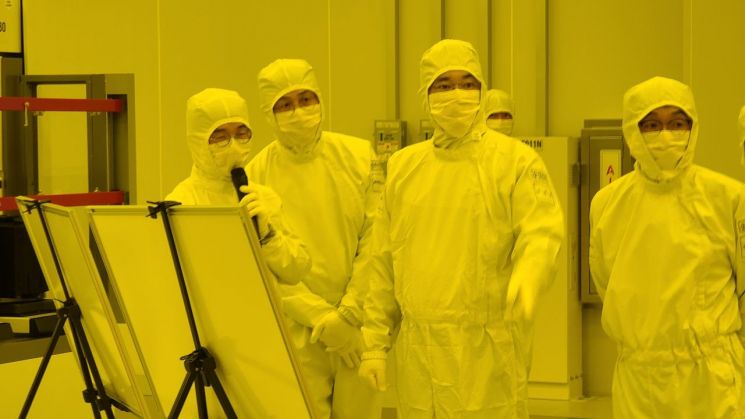
On the 10th, TrendForce stated that the average selling price (ASP) of DRAM in the second quarter could fall by up to 18% compared to the first quarter. Previously, the maximum decline was projected at 15%, but due to still high DRAM inventory levels, prices could drop as much as 18%. Although memory semiconductor companies have started production cuts, the effect has not yet been sufficient, leading to supply exceeding demand.
By product category, PC DRAM prices are expected to fall by 15-20% compared to the previous quarter. Both the upper and lower bounds of the decline have been lowered by 5 percentage points from the previously forecasted 10-15%. Server DRAM is also expected to drop by 15-20% in the second quarter, which is a steeper decline than the previous forecast of 13-18%. Mobile DRAM is also expected to see a larger drop of 13-18%, compared to the earlier forecast of 10-15%.
The NAND price decline for the second quarter is projected at 8-13%, lowered from the previous 5-10%. In particular, for enterprise SSDs, order volumes have not significantly increased even after China's reopening, resulting in considerable inventory pressure.
Memory prices have been on a downward trend since last year. Since the second half of last year, a chain reaction of 'decreased IT demand → oversupply → increased inventory → semiconductor price decline → reduced corporate earnings' has been occurring due to the prolonged industry downturn.
The market expects the effects of production cuts by memory semiconductor companies to become more apparent in the second half of the year. Especially with Samsung Electronics, the world's number one memory semiconductor company, joining the effort to reduce production, there is growing optimism that the oversupply situation in memory semiconductors will soon be resolved. However, considering that it takes about three months from wafer input to memory chip production, the actual effects of production cuts will appear 3 to 6 months later. This means that the production cut effects will only become fully visible in the second half of the year.
© The Asia Business Daily(www.asiae.co.kr). All rights reserved.
![Clutching a Stolen Dior Bag, Saying "I Hate Being Poor but Real"... The Grotesque Con of a "Human Knockoff" [Slate]](https://cwcontent.asiae.co.kr/asiaresize/183/2026021902243444107_1771435474.jpg)















