Relaunched After 15 Years Riding the Newtro Wave
'Y2K' Trend Spotlighted Influenced by NewJeans and Others
The 1990s, when hip-hop and reggae took the music scene by storm, also saw these distinctive styles reflected in popular fashion trends. Baggy pants worn low on the hips with extended hems, ripped jeans exposing the knees, loose T-shirts, and crop tops revealing the midriff all emphasized a free-spirited and rebellious image. This fashion trend, enjoyed by Generation X in their twenties at the time, is making a comeback with the 'Newtro' (a trend that reinterprets retro styles in a new way) craze, reviving the sensibility of Generation Z (born in the late 1990s to early 2000s) after about 30 years.
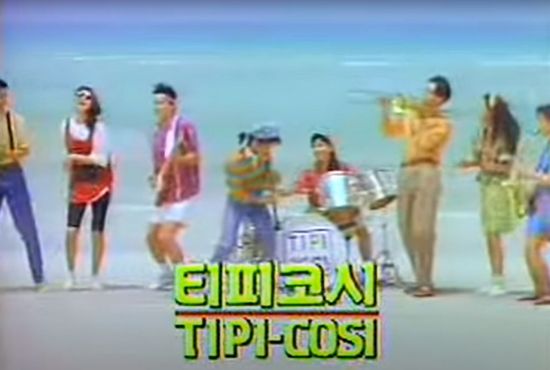
The leading example is 'Tipicosy,' relaunched by lifestyle company LF through its online mall on the 17th. Originally introduced by Bando Fashion, LF's predecessor, the brand withdrew from the market in 2008 due to poor sales but has reappeared after 15 years. Tipicosy led fashion trends by incorporating black music cultures such as hip-hop and reggae into its designs. It established itself as a mainstream fashion brand by featuring cultural icons of the time like Seo Taiji and Boys as models and airing television commercials starring top popular singers such as Kim Gun-mo and Pippi Band.
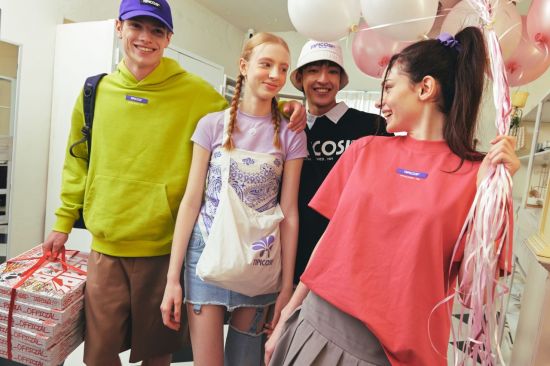
An LF representative explained, "The group NewJeans, known as icons of Generation Z, sparked the Newtro craze with 'Y2K' fashion styles from the 1990s to early 2000s, including crop tops and cargo pants. Among LF's brands, we judged that Tipicosy could attract attention from Generation Z, so we decided to relaunch it." The revived Tipicosy reinterprets the brand's original authenticity in a fresh and 'hip' way. The brand colors focus on 'purple,' predominantly used in the 1990s, and just as music was integrated into fashion in the past, the brand plans to continue reflecting various musical elements from different genres.
In the fashion industry, it is not unusual to see brands once forgotten by consumers reemerge riding the Newtro wave. A representative case is 'Nautica,' which was as popular among teenagers in the mid-1990s as school uniforms and was reborn in 2021 as an online-exclusive brand under Shinsegae International. After Youngchang Industrial, which introduced the brand to Korea in 1992, wound down its business due to poor performance, relaunch attempts in 2009 and 2012 failed, but the Y2K trend revived interest. In the same year, the denim brand 'Lee' returned to the domestic market after withdrawing in the early 2000s, maintaining its legacy after 16 years, and nostalgic brands like 'True Religion' and 'Marithe Francois Girbaud' were also recalled.
Go Seung-yeon, a research fellow at LG Economic Research Institute and author of 'Generation Z Is Not Like That,' who has extensively studied Generation Z, said, "Unlike Generation X, who had difficulty accessing objective materials about the music or fashion popular in their parents' generation, Generation Z can relatively familiarly experience the trends of the 1990s, such as popular singers and clothing styles, through YouTube and short-form platforms. Even if they have never heard of fashion brand names like Tipicosy, there are plenty of channels for them to receive past trends with freshness and curiosity." He added, "Fashion trends tend to repeat over certain periods. For Generation Z, who are accustomed to social networking services (SNS) like Instagram, the fashion trends of Generation X are perfect items to highlight individuality and pursue fun."
© The Asia Business Daily(www.asiae.co.kr). All rights reserved.
![Clutching a Stolen Dior Bag, Saying "I Hate Being Poor but Real"... The Grotesque Con of a "Human Knockoff" [Slate]](https://cwcontent.asiae.co.kr/asiaresize/183/2026021902243444107_1771435474.jpg)
















