Energy Prices Stabilize, Consumer Prices Drop
Core Inflation Impact Raises "ECB Rate Hike Possibility"
Consumer prices in the Eurozone, comprising 20 countries using the euro, saw a significant slowdown in the rate of increase due to falling energy prices. However, core inflation hit a record high, suggesting that the European Central Bank (ECB) will face increased challenges in deciding the pace of interest rate hikes.
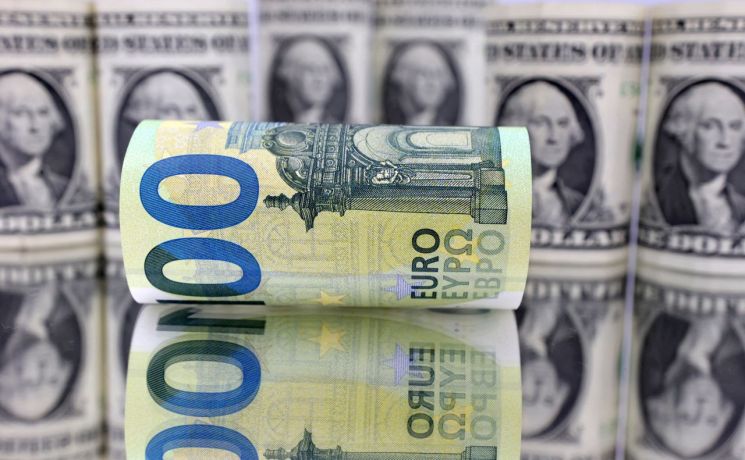
According to CNBC and other sources on the 31st (local time), Eurostat, the statistical office of the European Union (EU), announced that consumer prices in the Eurozone rose by 6.9% year-on-year in March (flash estimate). This marks a decline from the double-digit inflation rates seen since March last year (5.9%), bringing the inflation rate down to the 6% range after one year. Compared to the previous month, the rate of increase fell by 1.6 percentage points, maintaining a slowdown trend for five consecutive months since November last year.
The significant reduction in consumer price inflation in the Eurozone is attributed to stabilized energy prices. Energy prices, which had surged sharply due to Russia's suspension of natural gas supplies to Europe last year, have stabilized after about a year. In March, energy prices fell by 0.9% year-on-year, a sharp drop from the 13.7% increase recorded in February.
On the other hand, prices for food, alcoholic beverages, and tobacco rose by 15.4% compared to a year ago, an increase larger than the 15.0% recorded in the previous month. Service price inflation also expanded by 0.2 percentage points from February, reaching 5.0%.
The problem lies with core inflation. Excluding volatile items such as energy and food, the core inflation rate rose to 5.7%, marking another record high since the introduction of the euro, following 5.6% in the previous month. Although consumer prices fell due to the drop in energy prices, core inflation, which reflects the underlying trend in prices, remains unchecked, increasing the likelihood that the ECB will continue to raise interest rates for the time being.
The ECB has been raising its key interest rate repeatedly since July last year to curb consumer price inflation.
Jack Allen Reynolds, an analyst at UK consulting firm Capital Economics, stated, "The ECB is likely to be more concerned about the record-high core inflation than the slowdown in headline consumer price inflation," and predicted that the ECB will maintain its stance on raising interest rates.
© The Asia Business Daily(www.asiae.co.kr). All rights reserved.
![Clutching a Stolen Dior Bag, Saying "I Hate Being Poor but Real"... The Grotesque Con of a "Human Knockoff" [Slate]](https://cwcontent.asiae.co.kr/asiaresize/183/2026021902243444107_1771435474.jpg)















