The Busan Metropolitan City Health and Environment Research Institute will investigate the habitat status of ticks that transmit Severe Fever With Thrombocytopenia Syndrome (SFTS) mainly in urban parks and hiking trails from April to November, when outdoor activities by citizens become more active.
SFTS, transmitted by ticks, has an incubation period of 4 to 15 days and mainly presents with high fever above 38℃ and gastrointestinal symptoms (nausea, vomiting, diarrhea, etc.). It may also be accompanied by a decrease in platelets and white blood cells, and in severe cases, it can lead to death.
Since it was first reported in Korea in 2013, cases have occurred every year, and the first case in Busan was reported on April 11 last year.
The institute has been investigating the habitat status of ticks transmitting SFTS since 2014. Until 2019, no ticks were collected, but in 2020, 10 ticks were collected from Busan Citizens Park and Baekyangsan hiking trail, and in 2021, 16 ticks were collected from Baekyangsan hiking trail. In 2022, 71 ticks were collected, but none were found to carry the SFTS virus.
The institute has been conducting tick habitat surveys in Busan Citizens Park, Samnak Ecological Park, Usa in Gijang-gun, and areas near Baekyangsan. Especially from this year, survey points will be subdivided into mountain paths, scrub forests, gravesites, and grasslands for systematic investigation.
Additionally, the distribution of collected ticks and detection of the SFTS virus will be promptly reported to quarantine agencies so that control measures such as herbicide application and posting of caution notices can be implemented.
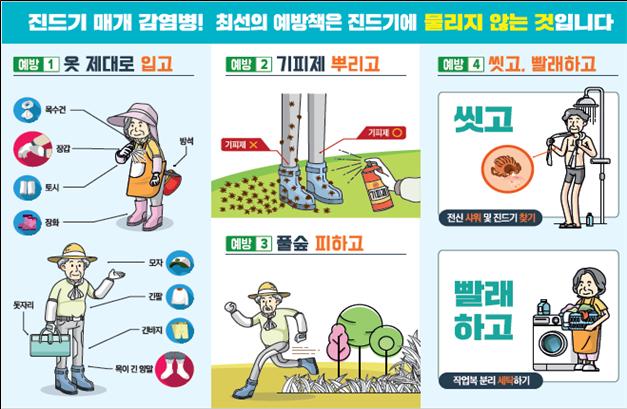
An official from the Health and Environment Research Institute stated, “To prevent SFTS, when engaging in outdoor activities or work, please wear long clothing to minimize skin exposure and avoid sitting or lying directly on grass. Upon returning home, take a bath or shower immediately and wash your clothes to prevent tick bites by following prevention guidelines.”
© The Asia Business Daily(www.asiae.co.kr). All rights reserved.
![Clutching a Stolen Dior Bag, Saying "I Hate Being Poor but Real"... The Grotesque Con of a "Human Knockoff" [Slate]](https://cwcontent.asiae.co.kr/asiaresize/183/2026021902243444107_1771435474.jpg)















