Norovirus Alert
Oyster-Induced Food Poisoning Increases 8-Fold
The period from winter to the following spring is the peak season for oysters in Korea. However, an unwelcome guest inevitably appears during this time: the 'Norovirus,' known to be caused by raw oysters. Consuming oysters contaminated with the virus can lead to vomiting, diarrhea, abdominal pain within 24 to 48 hours, and inflammation of the intestines.
According to the Ministry of Food and Drug Safety (MFDS) on the 14th, Norovirus is rampant again this year. The number of suspected food poisoning reports caused by oyster consumption during this winter reached 542 cases, about eight times higher than the same period last year.
The reporting period was from November last year to February this year, which is typically the oyster season in Korea. Two years ago, the number of reports during the same period was 236, but it decreased to 68 last year and surged to over 500 this year.
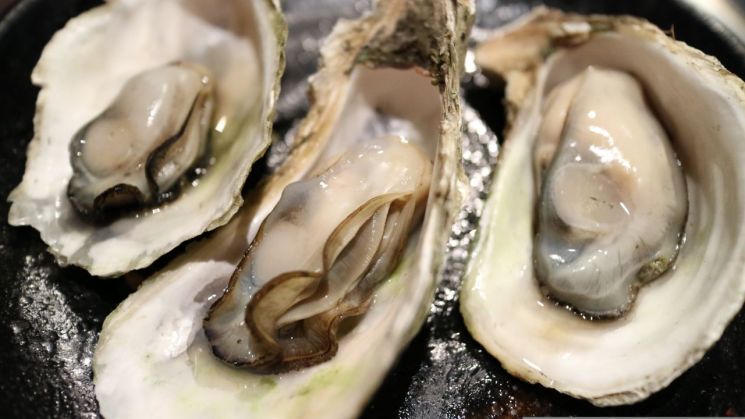
Norovirus is known to be highly resistant to external environments. It is not inactivated even in regular tap water and remains infectious even after heating at 60 degrees Celsius for 30 minutes.
Therefore, it is easily caused by eating contaminated seafood such as raw fish, oysters, and clams. It can also spread when food handlers with contaminated hands prepare food or when secretions such as vomit or feces from infected individuals contaminate food.
Symptoms are similar to food poisoning, including abdominal pain, diarrhea, and vomiting. However, unlike food poisoning that mainly occurs in summer, Norovirus activity increases in winter. This is why infections transmitted through oysters, which are in season during winter, are common.
Strict Hygiene When Eating Oysters... Wild Seafood Containing 'Toxins' Also Poses Risks
The MFDS suggests that Norovirus can be prevented through thorough hygiene management. Hands must be washed before and after cooking, before and after handling ingredients, and before and after using the restroom. Wearing sanitary gloves when handling food is recommended to prevent the spread of secretions from infected individuals to food.
Also, food should be cooked thoroughly. Norovirus is known to be inactivated when heated at 85 degrees Celsius or higher for more than one minute. This is why cooked dishes such as steamed oysters, oyster soup, and grilled oysters are recommended over raw oysters in winter.
Meanwhile, the MFDS emphasizes caution regarding seafood and shellfish collected personally rather than from professional farms. Wild seafood may contain not only Norovirus but also toxic substances from the sea.
According to the National Institute of Fisheries Science, some toxic plankton containing toxins exist in the sea. Shellfish that feed on these plankton accumulate toxins in their bodies. Consuming such shellfish can lead to paralytic shellfish poisoning, with symptoms similar to food poisoning but, in severe cases, can cause nerve paralysis, confusion, and short-term memory loss.
© The Asia Business Daily(www.asiae.co.kr). All rights reserved.
![Clutching a Stolen Dior Bag, Saying "I Hate Being Poor but Real"... The Grotesque Con of a "Human Knockoff" [Slate]](https://cwcontent.asiae.co.kr/asiaresize/183/2026021902243444107_1771435474.jpg)
















