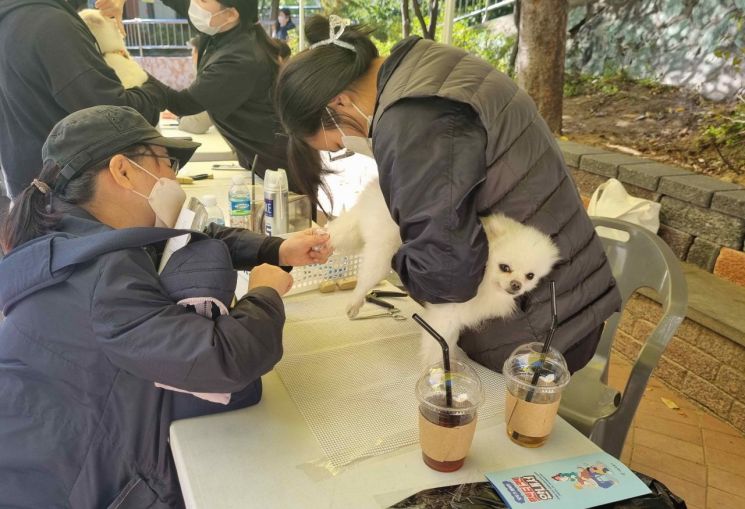
 At the mobile animal hospital, residents are receiving simple health checkups and hygiene grooming for their pets.
Up to 150,000 KRW Adoption Fee Support for Abandoned Animals, Medical Expense Assistance for Pets of Vulnerable Groups to Enhance Pet Welfare
Mobile Animal Hospitals Operating on April 12, April 26, and May 3... Free Basic Checkups, Behavioral Consultations, and More
Animal-Assisted Programs Also Support Stress Relief and Emotional Stability for Children in Vulnerable Groups
Gwanak-gu (District Mayor Park Jun-hee) is enhancing the welfare of pet owners and their pets through various animal programs, creating a “Gwanak where people and pets live happily together.”
Since establishing the Pet Team in 2016, the district has annually provided programs for happy coexistence with pets. This year, it operates programs including the animal-assisted program “Meongmeong-ah, Let’s Play!”, support for abandoned animal adoption fees, mobile animal hospitals, and medical expense support for pets of vulnerable groups.
“Meongmeong-ah, Let’s Play!” is an animal-assisted program that helps children in vulnerable groups relieve stress and achieve emotional stability by fostering intimacy and trust through direct physical interaction with pets.
In cooperation with the Korea Companion Animal-Assisted Therapy Association, the program is held at Hanuri Community Child Center every Tuesday from 3 PM to 4 PM, from February 21 to April 25, for a total of 10 sessions, targeting 10 elementary school children from vulnerable groups.
The “Abandoned Animal Adoption Fee Support” provides up to 150,000 KRW for hospital expenses and other costs necessary for adoption to pet owners who adopt pets from Gwanak-gu designated abandoned animal shelters and complete microchip animal registration.
Supported expenses include disease diagnosis and treatment fees, vaccination fees, neutering surgery fees, grooming fees, microchip registration fees, pet insurance premiums, etc. Applicants must attach an adoption confirmation issued by the abandoned animal shelter and apply to the Pet Team of the Job Venture Division at Gwanak-gu Office.
The “Medical Expense Support for Pets of Vulnerable Groups” is a service that supports medical expenses for up to two pets per household to alleviate the economic burden on pet owners. It includes “Essential Treatment” worth about 300,000 KRW covering basic checkups and essential vaccinations, and “Optional Treatment” supporting up to 200,000 KRW for disease treatment found during checkups and neutering surgery.
Eligible applicants are pet owners residing in Gwanak-gu who are basic livelihood security recipients, near-poverty groups, or single-parent families, bringing a certificate of recipient status issued within the last three months. Applications can be made by visiting designated animal hospitals in Gwanak-gu (▲ Yangji Animal Hospital in Euncheon-dong ▲ Hyeongje Animal Medical Center in Euncheon-dong ▲ Segero Animal Medical Center in Sinsa-dong ▲ Love Pet General Animal Hospital in Jowon-dong ▲ Lausanne Animal Medical Center in Seonghyeon-dong).
The “Mobile Animal Hospital” program sends experts directly to community centers and other locations to provide free basic checkups, hygiene grooming, nutrition counseling, behavioral consultations, and more. In the first half of this year, it will operate three times at ▲ Nakseongdae-dong Community Center on April 12 ▲ Mugunghwa Children’s Park in Nangok-dong on April 26 ▲ Euncheon-dong Community Center on May 3.
For detailed information about the programs, contact the Pet Team of the Job Venture Division at Gwanak-gu Office.
A district official stated, “We will continue to discover and promote various projects to create a Gwanak-gu where animals and people coexist happily.”
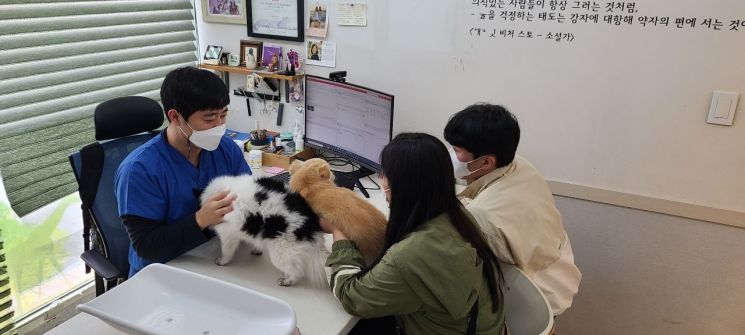
Seongdong-gu Launches Medical Expense Support for Pets of Vulnerable Groups... Expands to Single-Parent Families This Year
This Year, Support Targets Expanded Beyond Existing Recipients and Near-Poverty Groups to Include Single-Parent Families, Supporting Up to 50 Pets
Economic Burden Alleviated with Pet Medical Support Worth 200,000 to 400,000 KRW for a Guardian Contribution of 10,000 KRW
Dong-gu (District Mayor Jung Won-oh) has started the “Our Neighborhood Animal Hospital” project from March to reduce the medical expense burden for pets of vulnerable groups.
“Our Neighborhood Animal Hospital” is a talent-donation animal hospital designated by Seoul City and local districts to provide medical support for pets of vulnerable groups. At these hospitals, pet guardians pay only 10,000 KRW to receive medical support worth 200,000 to 400,000 KRW, including health checkups, vaccinations, neutering surgeries, and disease treatments.
This year, the support target has been expanded beyond basic livelihood security recipients and near-poverty groups to include single-parent families, with support for up to 50 pets. Single-parent families were included due to their children often being alone and their high emotional dependence on pets, highlighting the need for support.
According to the 2021 Seoul Survey, one in five households in Seoul lives with pets, and vulnerable groups account for over 20% of these. In an era of high inflation, high interest rates, and high exchange rates, medical expenses for pets are a significant burden for financially unstable vulnerable groups.
Support items include essential treatment worth 300,000 KRW (basic health checkups, essential vaccinations, heartworm prevention medication) and optional treatment up to 200,000 KRW (disease treatment found during checkups, neutering surgery). Pet guardians pay a consultation fee of 5,000 KRW per visit (up to 10,000 KRW) for essential treatment and only the amount exceeding 200,000 KRW for optional treatment. Required documents for visits include a certificate of recipient status, near-poverty group confirmation, or single-parent family certificate (issued within 3 months), along with the guardian’s ID.
Support is available once a year for residents registered in Seongdong-gu, up to two pets per household, at designated animal hospitals (Aji Animal Hospital in Geumho-dong 4-ga and Bauraum Animal Hospital in Haengdang-dong). However, support is only available for registered dogs; unregistered dogs must be registered with a microchip before receiving support. The “Our Neighborhood Animal Hospital” project operates on a first-come, first-served basis until funds are exhausted. For more details, contact the Women and Family Division.
A district official said, “In this era where everything except salaries is rising, we hope the ‘Our Neighborhood Animal Hospital’ project will provide a small but meaningful support to economically and socially vulnerable groups.”
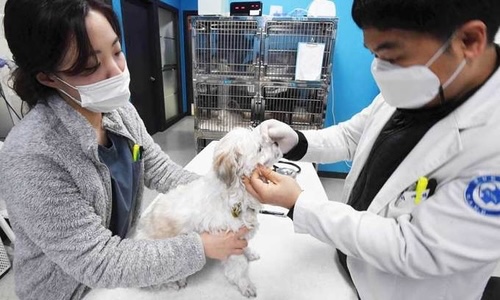
Jungnang-gu Provides Medical Expense Support for Pets of Vulnerable Groups
Medical Expense Support for About 60 Pets of Vulnerable Groups
Up to 400,000 KRW Benefits for Essential Treatment (Basic Health Checkups, Vaccinations, etc.) and Optional Treatment (Disease Treatment, Neutering Surgery)
Jungnang-gu (District Mayor Ryu Kyung-gi) announced the launch of the “Our Neighborhood Animal Hospital” project to alleviate the economic burden of vulnerable groups by supporting medical expenses for their pets.
“Our Neighborhood Animal Hospital” is a designated animal hospital that supports essential medical expenses such as vaccinations for pets. This year, two hospitals are designated in Jungnang-gu: Jinseo Animal Hospital and Haspetal Animal Hospital.
Eligible applicants are residents of Jungnang-gu who are basic livelihood security recipients, near-poverty groups, or single-parent families raising dogs or cats. The district plans to support medical expenses for up to two pets per household, covering about 60 pets in total.
Support items include essential treatment and optional treatment. Essential treatment covers ▲ basic health checkups ▲ essential vaccinations (including rabies vaccination) ▲ heartworm prevention medication, with up to 200,000 KRW supported. However, guardians must pay a consultation fee of 10,000 KRW. Optional treatment includes ▲ disease treatment found during checkups ▲ neutering surgery, with up to 200,000 KRW supported. Guardians must cover any amount exceeding this limit.
Applicants wishing to receive support should bring proof documents such as a certificate of recipient status, near-poverty group confirmation, or single-parent family certificate and visit the designated “Our Neighborhood Animal Hospital.” Dogs must be registered to qualify.
Jungnang-gu Mayor Ryu Kyung-gi said, “Through this support project, we will reduce the economic burden on vulnerable groups and help them enjoy a healthy life with their pets.”

Songpa-gu, a ‘Companion Coexistence City,’ Begins Medical Expense Support for Pets of Vulnerable Groups
Songpa Ranks Second Among Seoul Districts in Number of Pets... Up to 400,000 KRW Medical Expense Support for Pets of Vulnerable Groups
Benefits Include Basic Health Checkups, Essential Vaccinations, Various Treatments, and Neutering Surgery
Songpa-gu (District Mayor Seo Gang-seok) announced on the 9th that it will operate the “Our Neighborhood Animal Hospital” project from this year to reduce the economic burden on pet owners in vulnerable groups and realize animal welfare in the “Companion Coexistence City.”
The number of registered pets in Songpa-gu is about 35,000, ranking second among Seoul’s districts. The district pursues inclusive city policies such as operating a mobile dog playground and a dog behavior correction academy for “another family member,” the pet.
The district selected the “Our Neighborhood Animal Hospital” project as a pledge of the 8th local government term and plans to collaborate with local animal hospitals to support vulnerable groups in living healthy lives with their pets.
Animal hospitals contracted with Songpa-gu include ▲ 25si Animal Medical Center ▲ Songi General Animal Hospital ▲ Songpa Animal Medical Center ▲ Songpawon Animal Hospital ▲ Petopia Animal Hospital, all participating as talent donations for neighbors in need.
Eligible applicants are residents of Songpa-gu who are basic livelihood security recipients, near-poverty groups, or single-parent families raising registered dogs. Benefits apply to up to two pets per household and are provided on a first-come, first-served basis until the budget is exhausted.
Pets receive essential treatment worth about 300,000 KRW and optional treatment up to 200,000 KRW. Essential treatment includes basic health checkups, essential vaccinations, and heartworm prevention medication, with 200,000 KRW covered by the district and 100,000 KRW by the hospital. Guardians pay a maximum of 10,000 KRW. Optional treatment covers treatment for symptoms and diseases found during checkups and neutering surgery, with support up to 200,000 KRW.
Residents wishing to receive pet treatment should bring their ID and relevant proof documents to the designated animal hospitals. For more details, refer to the Songpa-gu Office website.
Additionally, the district is promoting the establishment of the “Songpa Companion Animal Health Center” to prevent vulnerable groups from having to give up treatment and care for their precious pets due to financial difficulties.
Songpa-gu Mayor Seo Gang-seok said, “We started supporting medical expenses for pets of vulnerable groups so that people can happily accompany their pets. We will actively work to help those facing economic difficulties gain positive vitality through emotional bonding with their pets.”
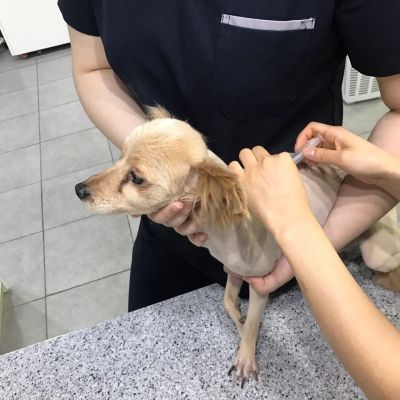
Dongdaemun-gu Supports Pet Medical Expenses... Promotes ‘Our Neighborhood Animal Hospital’ Project
Operating at Three Designated Animal Hospitals... Alleviating Medical Expense Burden for Pets of Vulnerable Groups
Supports Up to 200,000 KRW for Essential Treatment Including Basic Health Checkups and Vaccinations, and Up to 400,000 KRW Including Optional Treatment
Dongdaemun-gu (District Mayor Lee Pil-hyung) announced that it has been operating the “Our Neighborhood Animal Hospital” project since March to support medical expenses such as vaccinations for pets of vulnerable groups.
The “Our Neighborhood Animal Hospital” project was piloted last year at one animal hospital to alleviate medical expense burdens for pets of vulnerable groups. This year, the number of designated hospitals has expanded to three: New World Animal Hospital (186-12 Jangan-dong), Peanut Animal Hospital (3-125 Dapsimni-dong), and Jeyeon Animal Hospital (652-1 Jeonnong-dong).
Support includes 200,000 KRW for essential treatment such as basic health checkups, vaccinations, and heartworm prevention medication, and 200,000 KRW for optional treatment such as disease treatment and neutering surgery, for a total maximum of 400,000 KRW. Guardians pay a consultation fee of 5,000 KRW per visit and any amount exceeding 200,000 KRW for optional treatment.
Eligible applicants are residents of Dongdaemun-gu who raise dogs or cats and are basic livelihood security recipients, near-poverty groups, or single-parent families. They must bring relevant certificates and apply at designated animal hospitals.
Dongdaemun-gu Mayor Lee Pil-hyung said, “We hope the ‘Our Neighborhood Animal Hospital’ project will reduce the medical expense burden for pets of vulnerable groups and help them enjoy a happy life with their pets. We will continue to work to spread a healthy pet culture.”
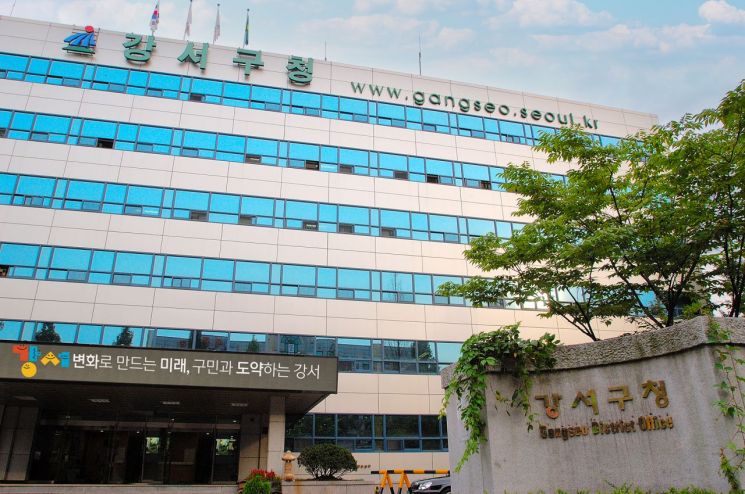
Gangseo-gu, Seoul Supports Basic Health Checkups, Vaccinations, and Neutering Surgery Costs for Pets of Vulnerable Groups
Support Expanded This Year to Include Single-Parent Families Previously in the Blind Spot
Designated Animal Hospitals Expanded to Three Locations
Gangseo-gu, Seoul (District Mayor Kim Tae-woo) has expanded the “Our Neighborhood Animal Hospital” project from March to support medical expenses for pets of vulnerable groups, strengthening animal welfare.
“Our Neighborhood Animal Hospital” supports essential and optional treatments for dogs and cats raised by vulnerable groups to reduce their economic burden.
From March, the district expanded the number of designated animal hospitals to three, enhancing medical service support for pets of vulnerable groups.
The support target has also been expanded from basic livelihood security recipients and near-poverty groups to include single-parent families.
Guardians only pay a consultation fee of 5,000 KRW per visit (up to 10,000 KRW) at designated animal hospitals to receive essential treatments such as basic health checkups, essential vaccinations, and heartworm prevention medication.
Additionally, optional treatment covering disease treatment found during basic checkups or neutering surgery is supported up to 200,000 KRW. However, grooming and simple prescriptions like nutritional supplements are excluded. Dogs must be registered.
Designated animal hospitals are ▲ Songjeong Animal Medical Center (Gonghang-dong) ▲ Smile Animal Hospital (Balsan 1-dong) ▲ Seoul Plus General Animal Hospital (Hwagok 4-dong). Applicants must bring a certificate of recipient status, near-poverty group confirmation, or single-parent family certificate when visiting.
More detailed information, including addresses of designated animal hospitals, can be found on the Gangseo-gu Office website under Notices/News.
District Mayor Kim Tae-woo said, “We will continue to expand the ‘Our Neighborhood Animal Hospital’ project, which enhances both animal welfare and the welfare of vulnerable groups, to help them enjoy a healthy life with their pets.”
© The Asia Business Daily(www.asiae.co.kr). All rights reserved.
![Clutching a Stolen Dior Bag, Saying "I Hate Being Poor but Real"... The Grotesque Con of a "Human Knockoff" [Slate]](https://cwcontent.asiae.co.kr/asiaresize/183/2026021902243444107_1771435474.jpg)

















