Acquisition of 100% Stake and Management Rights of Yuamco
Main Bid Surpasses Yeongpung Group, SM Group, and Others
KPS has acquired Segiritec, a specialized company in waste battery recycling, after a fierce bidding war. With this acquisition, KPS is simultaneously entering the electric vehicle lithium battery recycling and reuse market alongside its waste battery regeneration business, and is expected to show steep growth in the future.
On the 27th, KPS announced through the Financial Supervisory Service's electronic disclosure system that it secured 100% of Segiritec's shares and management rights from UAMCO Rebound First Financial Stability Private Equity Fund (hereinafter UAMCO). Segiritec is a solid waste battery recycling company with a monopolistic profit structure, achieving sales and operating profits of 88.4 billion KRW and 4.2 billion KRW in 2021, and 87 billion KRW and 4.9 billion KRW last year, respectively.
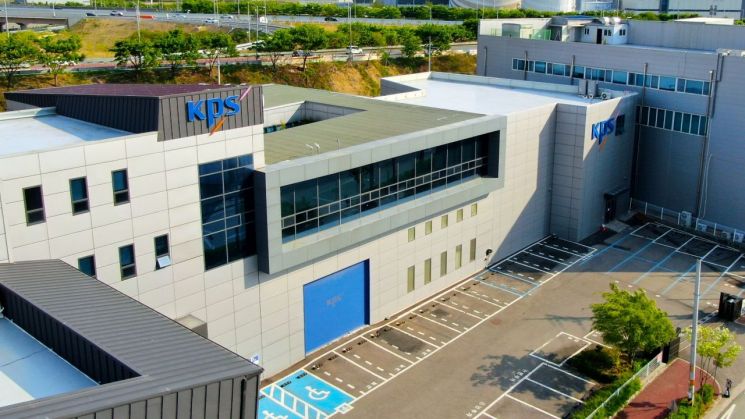
The M&A battle for Segiritec began in earnest last December. At that time, UAMCO appointed Yale Accounting Corporation as the sales agent and received letters of intent (LOI). The main bidding attracted major conglomerates and mid-sized companies such as Youngpoong Group, SM Group, and Pungjeon Nonferrous Metals.
KPS, as the stalking-horse bidder, engaged in intense competition until the final stage and was selected as the final acquirer, enabling it to expand its business area to the electric vehicle battery recycling market with explosive growth potential.
Segiritec was established in November 2010 with the main business purpose of non-ferrous metal smelting and is headquartered and operates a factory in Yeongcheon-si, Gyeongsangbuk-do. It recycles various waste batteries and waste lead to produce battery raw materials (ingots), essential for the automotive industry, and supplies them to well-known domestic and international battery manufacturers.
The waste battery regeneration business forms a monopolistic market with high entry barriers due to strict environmental regulations. To operate this business, it is necessary to obtain numerous environmental permits, including a comprehensive waste recycling business license requiring resident consent, integrated environmental permits, hazardous chemical substance usage permits, and restricted substance import permits.
Having acquired a recycling specialist company equipped with industry-leading facilities, KPS plans to present a blueprint for entering the electric vehicle lithium battery recycling market.
Kim Hayong, KPS's CEO, emphasized, "We will accelerate technology transfer, including process development necessary for lithium waste battery recycling, and establish cooperative networks with overseas companies. Additionally, as a monopolistic waste treatment permit holder, we will maximize advantages by expanding smelting facilities to grow our scale."
Meanwhile, the global electric vehicle waste battery recycling market size is expected to exceed 600 trillion KRW by 2050. According to energy market research firm SNE Research, the number of scrapped electric vehicles (including plug-in hybrids) worldwide is projected to increase from 560,000 units in 2025 to 4.11 million in 2030, 17.84 million in 2035, and 42.77 million in 2040. The recycling market is analyzed to grow to 12 trillion KRW in 2030, 87 trillion KRW in 2040, and 600 trillion KRW in 2050.
© The Asia Business Daily(www.asiae.co.kr). All rights reserved.
![Clutching a Stolen Dior Bag, Saying "I Hate Being Poor but Real"... The Grotesque Con of a "Human Knockoff" [Slate]](https://cwcontent.asiae.co.kr/asiaresize/183/2026021902243444107_1771435474.jpg)















