[Asia Economy Reporter Yujin Cho] Debt relief (debt restructuring) for more than 70 developing and least developed countries is emerging as a new front in the US-China conflict. Most developing and least developed countries, burdened with debt from participating in China's Belt and Road Initiative, are facing sovereign default risks as high interest rates and high inflation overlap. Analysts say that the possibility of relief is decreasing as China, the largest creditor, is being obstinate in debt restructuring negotiations, using friction with the US as leverage.
According to Bloomberg and others on the 21st (local time), the finance ministers and central bank governors of the Group of 20 (G20) will gather in India on the 24th and 25th to discuss a debt restructuring plan amounting to $326 billion (approximately 424.6 trillion KRW) owed by developing and least developed countries to creditors including the US, China, and India. This meeting, held ahead of the G20 summit in September, is expected to be attended by US Treasury Secretary Janet Yellen, ministers from various countries, and representatives of major international organizations.
The core agenda of this meeting is the debt restructuring of developing and least developed countries. This is a follow-up measure to the joint framework agreed upon by G20 finance ministers in 2020 for debt restructuring of developing and least developed countries. Despite this joint framework agreement, difficulties have arisen in debt negotiations as China, the largest creditor and a non-member of the Paris Club (a group of 22 creditor countries that introduced debt relief measures for developing and least developed countries), has not cooperated. Some point out that "China is using debtor countries such as Zambia as hostages in the new Cold War era, lowering the possibility of their relief."
With US-China tensions escalating this year?from reconnaissance balloons to disputes over weapons support for Ukraine?the likelihood of reaching a debt relief agreement for these debtor countries is decreasing. Bloomberg reported, "The historic agreement among G20 finance ministers is becoming fragile as geopolitical conflicts between the US and China emerge as another front."
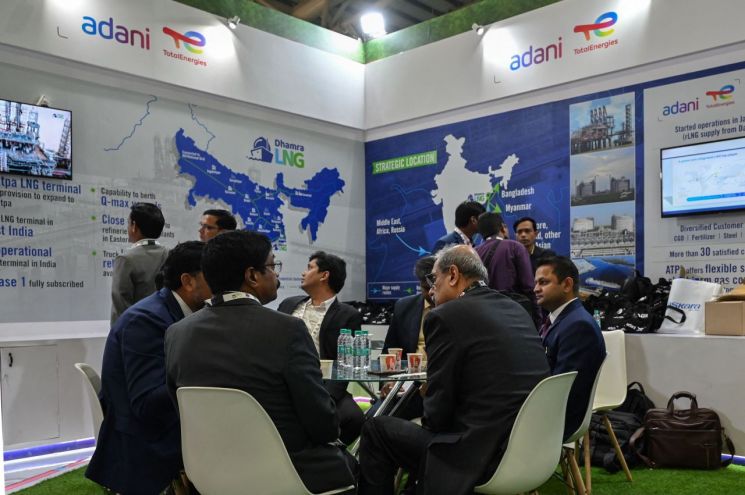
Major developing countries such as Pakistan, Sri Lanka, and Zimbabwe are facing a chain default crisis. Most of them are key target countries of China's Belt and Road Initiative (一帶一路, land and maritime Silk Road). Countries in Southeast Asia, Central Asia, and Africa have attracted massive Chinese capital while carrying out the Belt and Road projects to build large-scale infrastructure such as roads, railways, and sea routes, causing their debt to balloon to unmanageable levels. Among these, the COVID-19 pandemic, severe inflation, and high interest rates have acted as triggers, pushing them toward sovereign default situations.
Sri Lanka, which has pursued a pro-China policy since 2005, declared a temporary default in April last year after its debt ballooned to an unmanageable level while borrowing huge sums from China to build infrastructure such as ports, and officially entered default status in May last year. Sri Lankan President Ranil Wickremesinghe said on the 8th that "the sovereign default situation will continue until 2026."
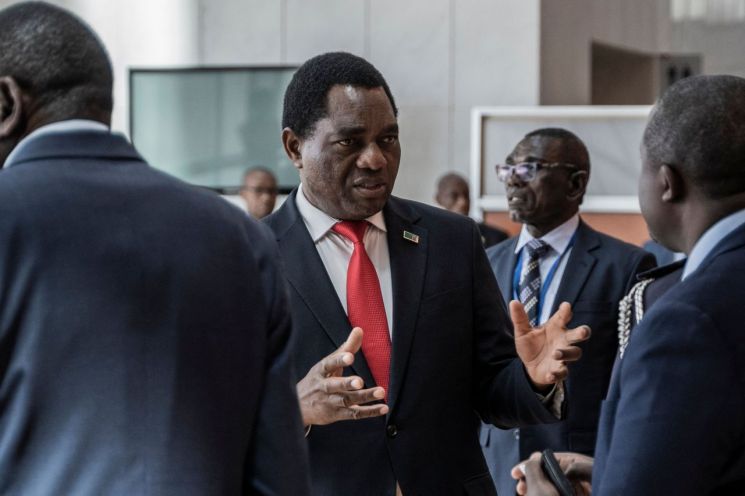
Pakistan is also facing a sovereign default crisis due to loans brought in under the Belt and Road plan. Currently, one-third of Pakistan's external debt is owed to China. Djibouti and Angola have debt levels exceeding their gross domestic product (GDP), and Laos has been downgraded to 'Caa3 (Moody's),' just two steps above default, classifying it as a default candidate country.
The Wall Street Journal (WSJ) warned that foreign exchange reserves of developing countries suffering from severe inflation and record-high debt are rapidly decreasing, and the pace of reserve depletion is faster than during the 2008 global financial crisis.
Sonya Gibbs of the International Institute of Finance (IIF), which has over 400 private financial institutions from 60 countries worldwide as members, said, "Due to high interest rates and high inflation, the debt levels of developing and least developed countries are much higher than 10 years ago. These countries are caught in a perfect storm." Private financial firms exposed to the debt crisis of these developing and least developed countries, such as BlackRock and Allianz, are also expected to suffer damage depending on the outcome of the G20 negotiations.
© The Asia Business Daily(www.asiae.co.kr). All rights reserved.


















