Dobong-gu, Recruiting Students for Sustainable Eco-friendly Agriculture ‘Permaculture’ Education
Applications accepted from February 22 to 28 on Dobong-gu website, open to all Dobong-gu residents
A total of 25 sessions, 2-hour classes every Friday from the third week of March to the fourth week of November
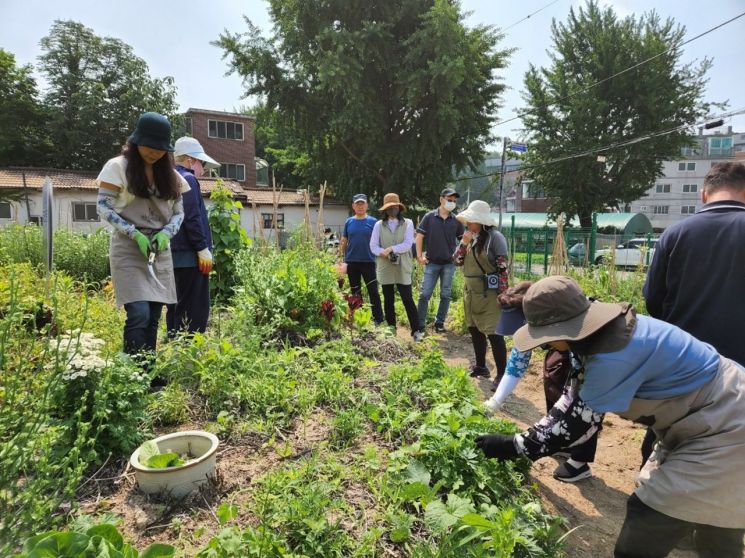
[Asia Economy Reporter Park Jong-il] Dobong-gu (Mayor Oh Eon-seok) is conducting a ‘2023 Sustainable Farming Permaculture’ education consisting of 25 lectures at the Urban Agriculture Park located in Ssangmun-dong (481-1 Ssangmun-dong) for residents interested in sustainable farming methods.
Permaculture is a compound word of ‘permanent’ and ‘agriculture,’ referring to an eco-friendly and sustainable farming method that minimizes soil damage through no-tillage without artificial actions such as pesticides, improves soil fertility by growing cover crops, plants perennial crops to minimize soil carbon emissions, and utilizes the natural ecosystem circulation method. Ultimately, it aims to conserve the environment, build communities, and design a sustainable lifestyle.
The curriculum includes ▲Basics and principles of permaculture ▲Practical garden operation ▲Crop processing methods ▲Farming using weeds, totaling 25 lectures held every Friday for 2 hours at the Ssangmun-dong Urban Agriculture Park from March 17 to November 24. Students who complete the course diligently will receive an internationally recognized certificate (Permaculture design course) that enables them to develop permaculture courses and disseminate them domestically and internationally.
Any Dobong-gu resident interested in sustainable farming can apply. Applications are accepted from 10 a.m. on February 22 to 5 p.m. on February 28 via the Dobong-gu Office website. The participation fee is 200,000 KRW per person, including educational materials and practical garden plots.
The total number of participants is 25, and candidates will be selected through telephone interviews. The selection results will be posted on the Dobong-gu Office website on March 6 and individual notifications will be sent via text message to the selected participants.
Oh Eon-seok, Mayor of Dobong-gu, said, “We hope that this ‘eco-friendly sustainable farming education,’ which moves away from conventional farming methods using chemical fertilizers and pesticides and utilizes nature as it is, will serve as an opportunity to protect the environment in the era of climate crisis and restore community spirit among neighbors who have grown distant.” He added, “We will continue to develop and promote sustainable farming education to spread the multifaceted value of urban agriculture.”
Jungnang Happy Farm Garden Plots and Pear Trees for Lease
279 garden plots and 155 pear trees available at Jungnang Happy Farms 1 to 4
Any Jungnang resident can apply for one plot per household; winners selected by random computerized lottery
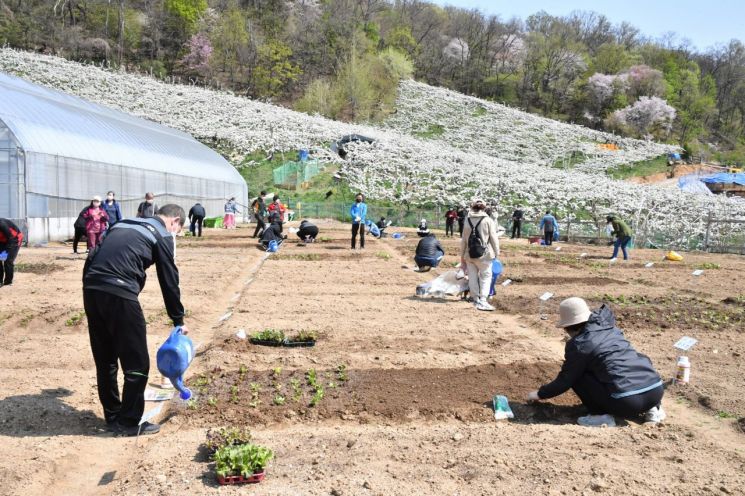
Jungnang-gu (Mayor Ryu Gyeong-gi) is recruiting residents to lease garden plots and pear trees at four Jungnang Happy Farms starting February 28.
The leasing project has been ongoing for five years to revitalize urban agriculture, allowing residents to enjoy agricultural activities in eco-friendly farms within the city and spend wholesome leisure time.
This year, the district will lease 130 garden plots at Jungnang Happy Farm 1, 50 garden plots and 25 pear trees at Jungnang Happy Farm 2, 99 garden plots at Jungnang Happy Farm 3, and 130 pear trees at Jungnang Happy Farm 4, totaling 279 garden plots and 155 pear trees.
Any Jungnang resident can participate, with one plot allowed per household. However, if a household applies for both garden plots and pear trees or if more than one person from the same household applies, the lease may be canceled.
Applications are accepted from February 28 to March 6 via the resident participation board on the Jungnang-gu Office website. Winners will be selected through a random computerized lottery. Successful applicants will be notified individually by text message and can check the results on the district office website on March 13.
The annual lease fee is 30,000 KRW for garden plots at Jungnang Happy Farms 1 to 3, 100,000 KRW for pear trees at Jungnang Happy Farm 2, and 50,000 KRW for pear trees at the newly established Jungnang Happy Farm 4, considering the expected lower fruit yield.
Ryu Gyeong-gi, Mayor of Jungnang-gu, said, “We hope residents will enjoy the joy and fulfillment of harvesting by cultivating garden plots and pear trees and spend leisure time healing their tired minds from daily life.” He added, “We will continue efforts to expand weekend farms and develop various programs so that more residents can participate in urban agriculture and enjoy nature within the city.”
Seodaemun-gu to Operate Two Weekend Farms in Jangheung-myeon, Yangju City... Recruiting Participants in March
Seven sessions from April to July, five sessions from August to November for eco-friendly crop cultivation education
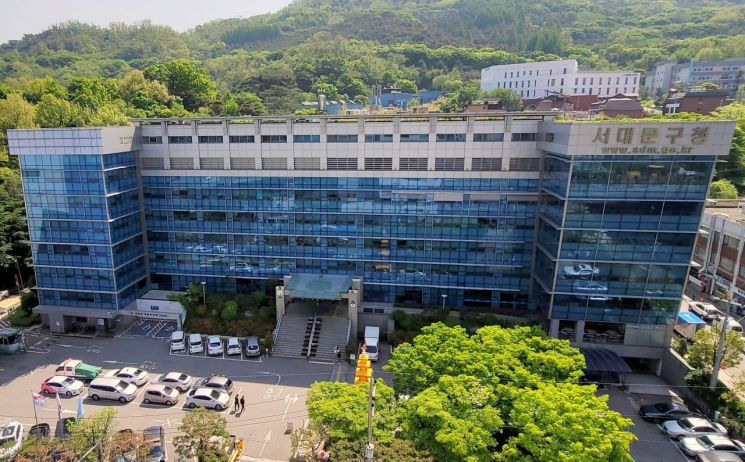
Seodaemun-gu (Mayor Lee Seong-heon) will operate weekend farms from April to November this year, offering residents the opportunity to experience eco-friendly farming during their leisure time and providing crop cultivation education.
The farms are located in Jangheung-myeon, Yangju City, Gyeonggi-do: Yeoul Farm (52-57 Ilyeong-ro 502beon-gil) and Nogosan Farm (108-33 Ilyeong-ro 502beon-gil).
The total size is 200 plots, with 150 plots at Yeoul Farm and 50 plots at Nogosan Farm. Each plot measures 16.5 square meters.
Seodaemun-gu residents and local workers can apply from March 13 to 16, with participants selected by computerized lottery. Only one plot per household is allowed.
Use of garden plots, participation in education, shared farming tools such as shovels, agricultural water, rest areas, and parking spaces are free of charge. However, participants must prepare personal farming tools such as hoes, seeds, seedlings, and natural pest control products individually.
Participants will cultivate crops using a 3-no (no pesticides, no chemical fertilizers, no plastic ground cover) eco-friendly farming method.
For beginners new to gardening, seven eco-friendly crop cultivation education sessions will be held from April to July, and five sessions from August to November.
Based on the education schedule, Saturday classes (50 plots each at Yeoul and Nogosan Farms), Sunday classes (50 plots at Yeoul Farm), and weekday classes (50 plots at Yeoul Farm) will be operated. Outside of class hours, participants can manage their plots independently.
Lee Seong-heon, Mayor of Seodaemun-gu, said, “After enduring over three years of COVID-19 and a cold winter, we welcome the new spring and expect many residents to show interest and participate in the weekend farm experience, which will be a healthy and healing outing.”
For more details on weekend farm operation and application, please refer to the announcements on the district website or contact the Seodaemun-gu Office Regional Economy Division.
Songpa-type Social Economy Enterprises to Become Core of Local Economy
Recruiting Participants for ‘Songpa Social Economy Success Model Growth Project’ until February 24
Comprehensive support including business development funds, management consulting, office space, and market development with a total investment of 120 million KRW
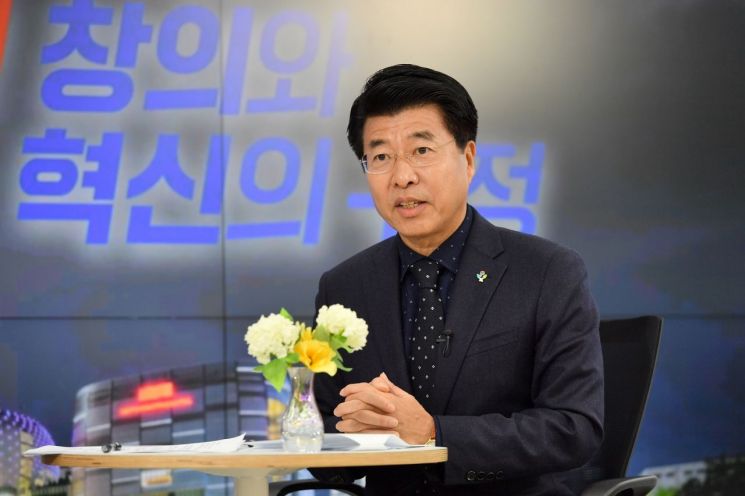
Songpa-gu (Mayor Seo Gang-seok) is publicly recruiting companies to participate in the ‘Songpa Social Economy Success Model Growth Project’ until February 24.
Recently, the importance of social economy enterprises, which address social issues such as employment insecurity, polarization, and environmental pollution based on values of solidarity and coexistence and serve as a social safety net, has been emphasized.
Accordingly, the district operates the ‘Growth Project’ to support not only quantitative growth but also qualitative growth and the establishment of a sustainable and stable revenue base for social economy enterprises in the area. Through this, last year, it produced preliminary social enterprises and youth enterprises, spreading the Songpa-type social economy enterprise success model and revitalizing the local economy overall.
This year, the district will invest 120 million KRW in the Growth Project and select about six companies through a review process including a screening committee and presentations by applicant companies.
Selected companies will receive ▲up to 30 million KRW per company for business development ▲professional management consulting and training ▲office space at Songpa Social Economy Support Center and others ▲market development support, providing customized support in various fields for corporate independence.
The support period is up to three years, with continuation decided based on performance evaluations after each annual project completion.
Applicants must be social enterprises, village enterprises, social cooperatives, or self-support enterprises established within five years as of the announcement date, located in Songpa-gu or planning to relocate there. Youth enterprises convertible to social enterprises, village enterprises, or social cooperatives are also eligible.
Applications must be submitted by February 14 by referring to the announcement on the Songpa-gu Office website, completing the application form and required documents, and submitting them in person to the Social Economy Team of the Economic Promotion Division at Songpa-gu Office. Selection results will be announced on the website in March.
Seo Gang-seok, Mayor of Songpa-gu, said, “This will be an opportunity for social economy enterprises pursuing social values to acquire sustainable market competitiveness.” He added, “We look forward to active participation from capable social economy enterprises and outstanding youth companies pursuing social values.”
© The Asia Business Daily(www.asiae.co.kr). All rights reserved.
![Clutching a Stolen Dior Bag, Saying "I Hate Being Poor but Real"... The Grotesque Con of a "Human Knockoff" [Slate]](https://cwcontent.asiae.co.kr/asiaresize/183/2026021902243444107_1771435474.jpg)


















