Seongdong-gu, Boryeong-si, and Daegu-si Followed by Seoul City Interest
Seoul City Council Member Announces Legislative Notice for Youth Hair Loss Support Ordinance
Is the involvement of local governments in supporting hair loss treatment for young people a community-oriented policy or a populist policy?
Interest has resurfaced as Seoul City Council member Lee Sora announced the legislative notice for the 'Seoul City Youth Hair Loss Treatment Expense Support Ordinance.' The ordinance provides a basis for Seoul City to support a portion of the out-of-pocket expenses for oral hair loss treatment drugs for young people aged 19 to 39 who have hair loss symptoms and have resided in Seoul for more than three months.
The specific support amount and budget scale have not been determined yet. If the ordinance passes the standing committee review and resolution during the temporary city council session from the 20th of this month to the 10th of next month and then passes the plenary session, the ordinance will be finally enacted.
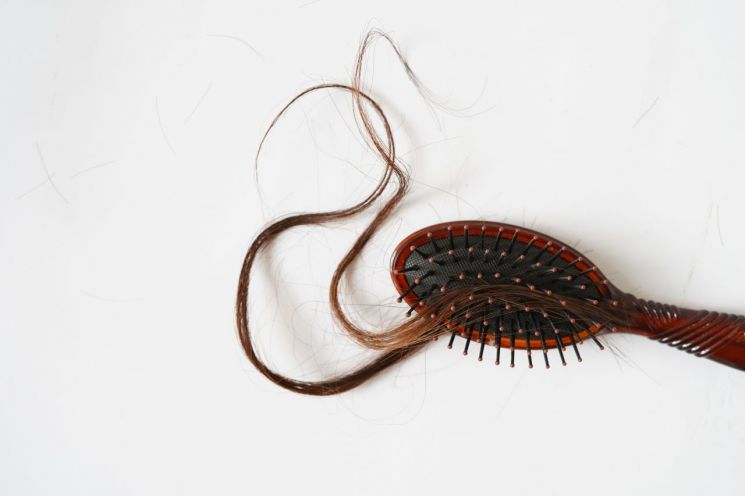
Seoul City is not the first local government to prepare a support plan for youth hair loss treatment. Starting with Seongdong-gu, Seoul in May last year, related ordinances were consecutively passed in Boryeong City, Chungnam, and Daegu City in December last year. If Seoul City establishes a related ordinance, discussions may spread to other local governments as well.
However, as of the 20th, no local government has actually implemented support yet. Seongdong-gu, Seoul, which promulgated the related ordinance on May 6 last year, will start accepting applications from March 2. Boryeong City and Daegu City are currently discussing specific support targets and application dates based on the ordinance.
The support targets are all young people. This is thanks to a social consensus that young people starting their social lives face economic burdens and mental distress when suffering from hair loss. Except for Boryeong City, which targets citizens under 49, Seongdong-gu, Daegu City, and recently Seoul City all target young people aged 19 to 39.
The support methods are expected to vary by local government. Boryeong City offers the largest support scale. If applicants submit documents after receiving a hair loss diagnosis at medical institutions such as Western or Korean medicine clinics, the support fund will be deposited into their accounts within two months of the application date, up to a limit of 2 million KRW per person. Seongdong-gu and Daegu City provide support in the form of vouchers.
Citizens suffering from hair loss praise the local governments' support for hair loss treatment expenses as a "community-oriented policy." They say that suffering from hair loss causes disadvantages in studies, employment, dating, and marriage, and the social atmosphere that treats hair loss as a laughingstock or ridicule has caused serious mental distress.
However, criticism is also significant. There are concerns about whether it is appropriate for local governments to support hair loss treatment with public funds amid the current situation of worsening health insurance finances. Health insurance faces increasing financial burdens due to the suspension of national treasury support, the spread of COVID-19, and aging. This year, the health insurance fund is predicted to run a deficit of about 450 billion KRW. This is why then-presidential candidate Lee Jae-myung's pledge to apply health insurance to hair loss treatments was criticized.
Although local governments currently promoting hair loss treatment support have not adopted the health insurance application method, they are likely to face criticism as they use public funds raised from citizens' taxes as their budget.
There are also criticisms that this is unsustainable populism. It is predicted that if the number of diagnosed hair loss patients increases, local governments will find it difficult to maintain the support policy continuously. According to the National Health Insurance Service, the number of hair loss patients in Korea increased by an average of 3.1% annually from 2017 to 2021.
In fact, according to an official from the Health Promotion Division of Boryeong City Public Health Center, Boryeong City expects a budget of 200 million KRW for hair loss treatment support and 200 beneficiaries. However, the number of hair loss patients in Boryeong City was ▲479 in 2019 ▲490 in 2020 ▲595 in 2021.
As of 2021, the expected number of beneficiaries for treatment support in Boryeong City is only about one-third of the diagnosed hair loss population. Although support is limited to out-of-pocket expenses within a 2 million KRW limit per person, considering the increasing trend in diagnosed hair loss patients, the number of beneficiaries and budget scale for treatment support seem insufficient.
© The Asia Business Daily(www.asiae.co.kr). All rights reserved.