In the United States, where driving has been considered essential, Generation Z (born in the late 1990s to early 2010s) has shown a tendency to drive less than previous generations at the same age.
According to a report by The Washington Post (WP) on the 13th (local time), in 1997, 43% of 16-year-olds and 62% of 17-year-olds in the U.S. held driver's licenses, but by 2020, these numbers had decreased to 25% for 16-year-olds and 45% for 17-year-olds. In 1997, 90% of 20- to 25-year-olds had driver's licenses, but this dropped to 80% in 2020.
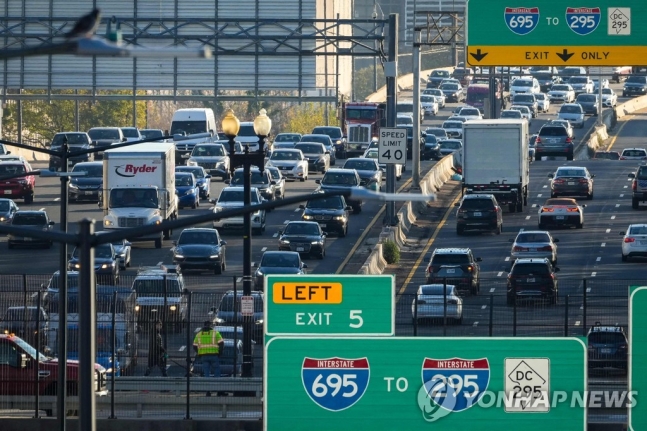
WP analyzed that this phenomenon is due to Generation Z's reluctance to drive because of ▲ anxiety about driving itself ▲ cost ▲ environmental concerns. In fact, many in Generation Z in the U.S. reported that they do not obtain a license because they are afraid of driving or the possibility of accidents.
The cost of maintaining a car is also increasing day by day. Car insurance rose by about 14% compared to last year, requiring Americans to spend about 3% of their annual income on car insurance premiums. Due to supply chain issues and inflation, prices for both used and new cars have also increased in recent years.
Generation Z also tends to place more importance on environmental issues than previous generations.
Thanks to technological advancements, Generation Z can communicate online without meeting friends in person, so they do not feel the necessity to hold a driver's license. Additionally, even without driving themselves, they can use various modes of transportation such as electric scooters, bicycles, and ride-sharing services. According to a 2018 Pew Research Center survey, 51% of Americans aged 18 to 29 reported having used ride-sharing services like Uber and Lyft.
However, it is uncertain whether Generation Z's reluctance to obtain a driver's license will continue in the future. This is because they may drive once they get married, have children, and move outside the city. Generation Z tends to enter traditional life stages more slowly, such as living longer with their parents and marrying later in their twenties.
Previously, the Millennial generation, born between the early 1980s and late 1990s, also drove less at the same age as today's Generation Z. At that time, it was predicted that Millennials would eventually have to drive. A study last year showed that although Millennials drove more as they aged, their driving distance decreased by 8% compared to previous generations.
If this trend continues, carbon emissions in the U.S. could be significantly reduced. Transportation is considered the largest source of carbon dioxide emissions in the U.S. If the estimated 66 million Generation Z individuals drive 10% less than the average American, it could reduce carbon dioxide emissions equivalent to six coal-fired power plants (2,560 tons annually).
© The Asia Business Daily(www.asiae.co.kr). All rights reserved.
![Clutching a Stolen Dior Bag, Saying "I Hate Being Poor but Real"... The Grotesque Con of a "Human Knockoff" [Slate]](https://cwcontent.asiae.co.kr/asiaresize/183/2026021902243444107_1771435474.jpg)















