Continuous Expansion of Medical Resources Including One-Stop Medical Institutions
Strengthening Protection and Management of High-Risk Groups (Infection-Vulnerable Facilities, etc.)
[Asia Economy Reporter Ra Young-cheol] Although the COVID-19 outbreak is on the decline, Gangwon Province is preparing for the possibility of a resurgence due to the impact of COVID-19 from China and the adjustment of the indoor mask-wearing mandate to level 1 (January 30). The province is implementing quarantine and medical responses in accordance with the phased transition of the general medical system.
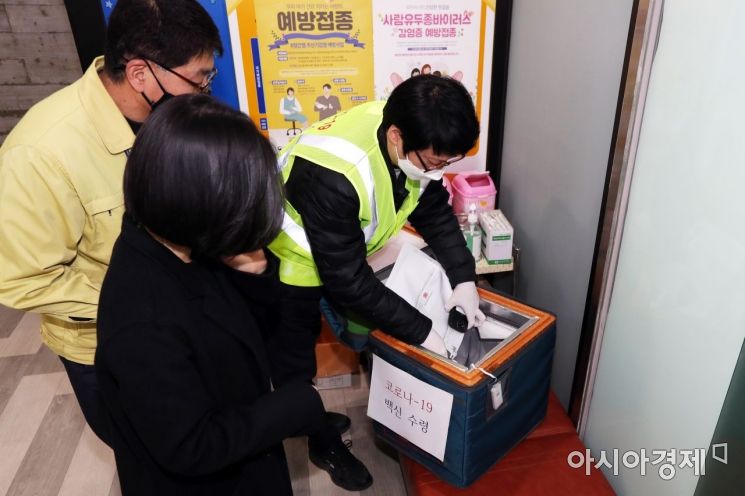
According to Gangwon Province on the 9th, while the weekly COVID-19 risk assessment remains low, the number of new confirmed cases has decreased for seven consecutive weeks, and the number of critically ill patients has decreased for four consecutive weeks. The occupancy rate of severe patient beds has also remained stable at 40-50% for six consecutive weeks.
The province plans to strengthen quarantine and medical responses in line with the phased transition of the general medical system to securely and stably secure medical resources for safe home treatment.
The number of 'one-stop medical institutions' capable of providing diagnosis, testing, and prescription of treatment drugs for patients with respiratory symptoms has expanded to 249 locations. Pharmacies handling oral antiviral treatments to prevent severe progression in high-risk confirmed patients have increased to 121 locations.
For 24-hour medical response, including non-face-to-face consultations and prescription services, 10 medical consultation centers have been established. Additionally, 66 personnel have been deployed across 18 cities and counties in the province to monitor the health of vulnerable confirmed patients such as elderly living alone. For those aged 60 and above, phone checks are conducted 2-3 times during the early isolation period, and medical institutions are linked in case of emergencies.
To meet hospitalization demand, 119 beds across 7 hospitals have been secured for intensive care of severe (and semi-severe) COVID-19 patients. Autonomous admission beds in general medical institutions for patients with underlying conditions and mild symptoms have been expanded to 312 beds across 37 hospitals.
To provide focused protection and management for high-risk groups such as infection-vulnerable facilities with a high risk of severe illness, additional vaccinations with vaccines containing two components are being promoted for the elderly and those in infection-vulnerable facilities.
Furthermore, the province and cities/counties operate 'response teams' for epidemiological investigations and 'medical mobile task forces' in cooperation with medical institutions (facilities and treatment agreements). They also conduct daily monitoring of confirmed case occurrences and promptly check the on-site response system when cases arise.
Kim Kyung-hee, head of the Infectious Disease Management Division of the province, emphasized, "Although quarantine measures such as the adjustment of indoor mask mandates have recently been eased, vaccination and voluntary quarantine efforts remain crucial to protect high-risk groups and move toward a full recovery of daily life."
© The Asia Business Daily(www.asiae.co.kr). All rights reserved.

















