Disease Control and Prevention Agency Announces Results of National Vaccination Awareness Survey
[Asia Economy Reporter Lee Gwan-joo] Eight out of ten people responded that they are satisfied with the expansion of the national immunization program for the human papillomavirus (HPV) vaccine, known as the cervical cancer vaccine. Expectations were also high for the rotavirus vaccine national immunization program, which is being implemented for the first time this year.
The Korea Disease Control and Prevention Agency (KDCA) announced the results of the "2022 National Immunization Awareness Survey" on the 2nd. This survey was conducted regarding HPV and rotavirus vaccinations. HPV is a major cause of cervical cancer, anal cancer, vaginal cancer, and oropharyngeal cancer, while rotavirus is a primary cause of gastroenteritis in infants and young children. Both viruses can be largely prevented through vaccination. HPV vaccination shows a prevention effect of 70-90% against these cancers, and rotavirus vaccination shows an 83-86% prevention effect.
The national HPV vaccination program was expanded last year from 12-year-old females to include unvaccinated females aged 13-17 and low-income females aged 18-26. First, in the HPV awareness survey, 68.3% recognized the necessity of vaccination. The willingness to participate in vaccination was 70.1%, and among those unwilling to vaccinate, concerns about adverse reactions and side effects (46.8%) were the main reasons. Regarding the national immunization program, 70.7% were aware of it, with parents of 12-year-old daughters showing a relatively high awareness rate of 87.0%. Satisfaction with the national immunization program was relatively high at 84.2%. In particular, satisfaction was higher among 12-year-old females and low-income females aged 18-26.
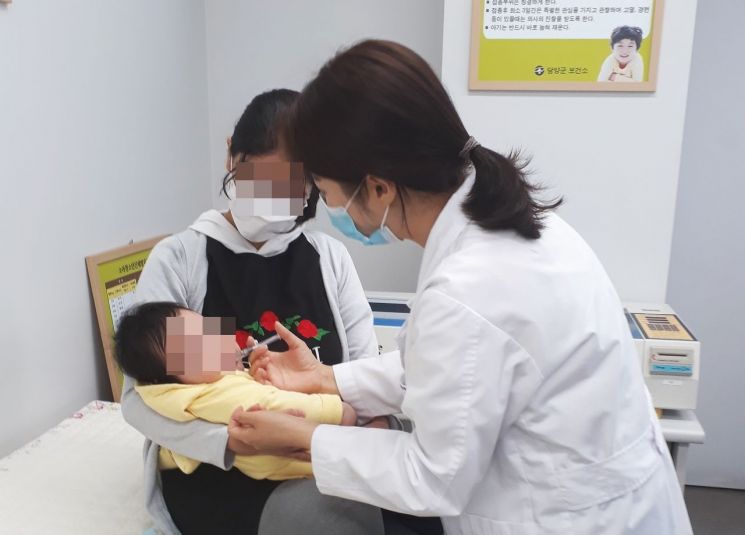
The rotavirus vaccine national immunization program will begin next month. Awareness of rotavirus infection was 98.5%, with most parents of children under 12 months old recognizing rotavirus and its vaccination. Vaccination coverage was reported at 80.0%, and the most common reason for non-vaccination was "because it is not a mandatory vaccination" (30%). Regarding the new introduction of the rotavirus national immunization program, 86.5% responded that it is necessary, and 85.5% recognized that it helps the healthy growth of infants and reduces the burden of childcare. Children’s national immunization support program recipients considered the rotavirus vaccine necessary mainly because "the vaccination cost is expensive" (62.4%), and among parents of unvaccinated children, 85.0% expressed willingness to vaccinate in the future.
Ji Young-mi, Director of the Korea Disease Control and Prevention Agency, said, "Through this awareness survey, we confirmed that the public has great interest and expectations for the national immunization program," and added, "We will thoroughly prepare so that the rotavirus national immunization program, scheduled to be implemented for the first time in March, can be administered without inconvenience."
© The Asia Business Daily(www.asiae.co.kr). All rights reserved.
![Clutching a Stolen Dior Bag, Saying "I Hate Being Poor but Real"... The Grotesque Con of a "Human Knockoff" [Slate]](https://cwcontent.asiae.co.kr/asiaresize/183/2026021902243444107_1771435474.jpg)











