[Asia Economy Reporter Lee Gwan-joo] The number of patients suffering from 'spinal stenosis,' a condition commonly occurring after middle age, has been increasing. Nine out of ten patients were aged 50 or older.
The National Health Insurance Service (NHIS) announced on the 26th the status of health insurance treatments for spinal stenosis from 2017 to 2021, based on health insurance treatment data. The number of patients increased by 9.2%, from 1,647,147 in 2017 to 1,799,328 in 2021, with an average annual growth rate of 2.2%.
By gender, female patients outnumbered male patients. As of 2021, there were 686,824 males and 1,112,504 females. Regarding the higher number of female patients, Professor Shin Jae-won of the Orthopedics Department at NHIS Ilsan Hospital explained, "The decrease in estrogen after menopause causes bone loss and muscle mass reduction, weakening the support for spinal joints and accelerating the onset of spinal diseases such as spinal stenosis," adding, "The rapid hormonal changes occurring after menopause are the cause."
By age group, the 70s accounted for the largest number of patients at 565,096 (31.4%), followed by those in their 60s with 554,551 (30.8%), and those aged 80 and above with 314,544 (17.5%). Additionally, the total health insurance treatment cost for spinal stenosis patients increased by 30.1%, from 713.2 billion KRW in 2017 to 928 billion KRW in 2021. The average treatment cost per patient was 516,000 KRW.
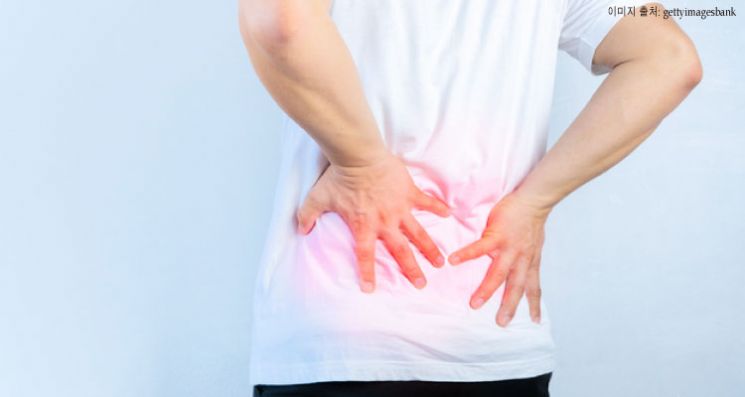
Spinal stenosis is a condition where the space through which nerves pass narrows, compressing the nerves. Unlike a herniated disc, where jelly-like disc material presses on the nerves, spinal stenosis occurs when ligaments, bones, or joints enlarge or grow, narrowing the spinal canal and compressing the nerves. Typical symptoms include severe leg pain after walking a short distance, frequent resting due to leg pain while walking, and symptom relief when bending forward or sitting in a chair during leg pain.
Professor Shin said, "For prevention, maintaining proper daily habits is most important," adding, "Avoid sitting cross-legged or squatting while working as much as possible, and when lifting heavy objects, keep them close to your body and bend your knees to lift. Regular exercise to maintain an appropriate weight is one way to reduce the burden on the spine."
© The Asia Business Daily(www.asiae.co.kr). All rights reserved.
![Clutching a Stolen Dior Bag, Saying "I Hate Being Poor but Real"... The Grotesque Con of a "Human Knockoff" [Slate]](https://cwcontent.asiae.co.kr/asiaresize/183/2026021902243444107_1771435474.jpg)















