Trade Deficit in Automobiles with China at $465 Million
Deficit with Japan at $408 Million
First Time Deficit with China Exceeds Japan Since Statistics Began
Increased Imports of Chinese Electric Buses and Commercial Vehicles
Declining Preference for Japanese Brands
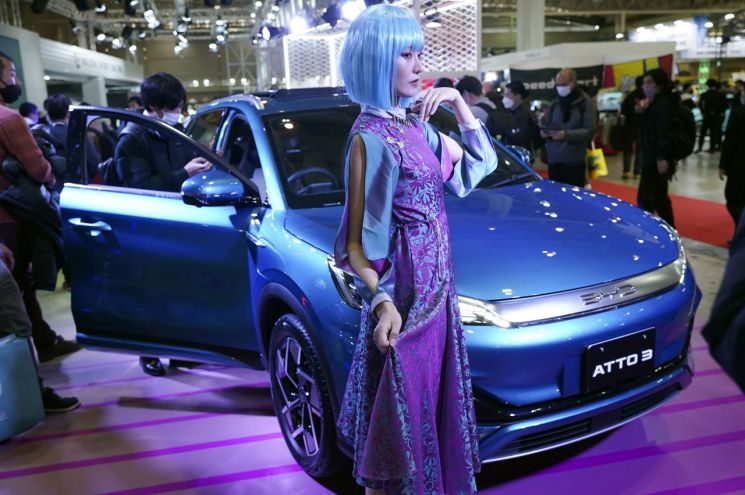
[Asia Economy Reporter Choi Dae-yeol] It has been revealed that South Korea's trade deficit in automobiles with China last year surpassed that with Japan. This is due to a sharp increase in imports of electric trucks and buses from China. Meanwhile, the number of vehicles imported from Japan has decreased to the lowest level in the past decade.
According to the trade association's statistics by country and item on the 23rd, the value of automobiles South Korea exported to China last year was $138 million, while imports from China amounted to $603 million. The trade balance showed a deficit of $465 million.
Last year, automobile exports to Japan were $67 million, and imports were $476 million. The trade deficit was $408 million. Last year marked the first time that the annual trade deficit with China exceeded that with Japan.
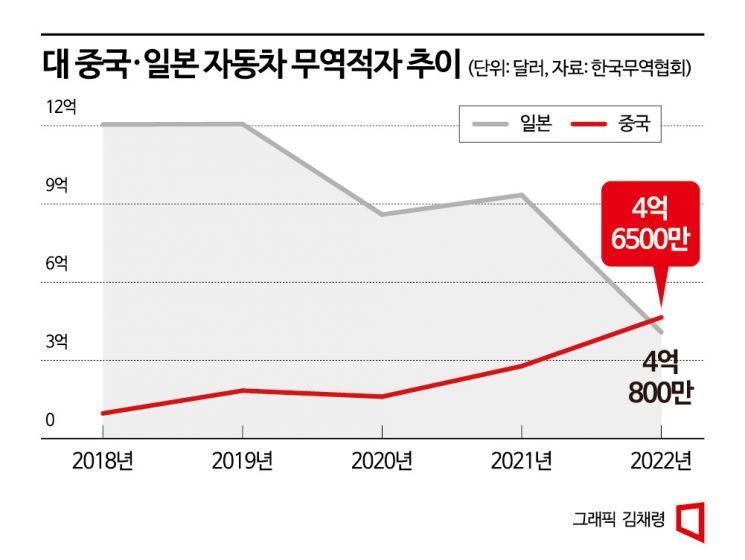
Automobile exports to China have been increasing again since hitting a low in 2019, but remain significantly lower compared to the past. In 2011, when Hyundai and Kia passenger cars sold well mainly in Beijing and other areas, exports exceeded $2.3 billion.
Although there were several factories in China with capacities of 200,000 to 300,000 units, local production alone could not meet demand, so a large volume was also exported from Korea. However, after the THAAD (Terminal High Altitude Area Defense) incident, anti-Korean sentiment intensified, causing local sales to plummet. The weakening of networks with local political and governmental figures also had a significant impact. Last year, the market share in China was less than 2%.
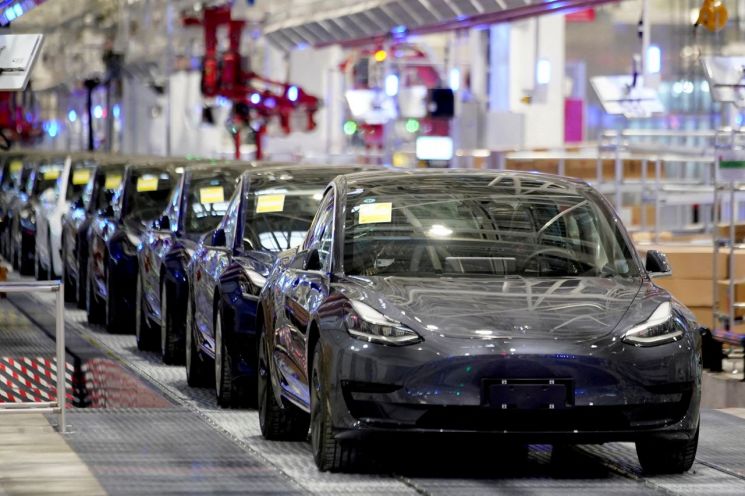
Conversely, the volume of vehicles exported from China to South Korea has surged annually. After first surpassing $100 million in 2018 with $121 million, it has maintained a double-digit average annual growth rate since then. The demand for Chinese-made vehicles in Korea has increased, especially for small commercial vehicles and buses, which are considered competitive mainly among local Chinese companies. According to Kaizyu data, the best-selling imported commercial vehicle model last year was Dongfeng Sokon's Masada. It is evaluated as competitive in the Korean market as a 2- or 4-seater van or pickup truck.
Dongfeng Sokon, which sold 31 units in 2021, sold over 1,200 units last year, rapidly rising to become the second most popular imported commercial brand. The electric bus 'Hypers,' now commonly seen, is also a product of the Chinese company Higer Bus. Higer Bus ranks eighth among imported commercial brands.
While imports from China increased, expanding the trade deficit, imports from Japan decreased, reducing the deficit. The value of automobile imports from Japan to South Korea last year was the lowest in 10 years since 2012 ($486 million). Lexus sold 7,593 units domestically last year, but sales dropped by more than 20% compared to the previous year. Toyota (-3%) and Honda (-28%) also saw declines.
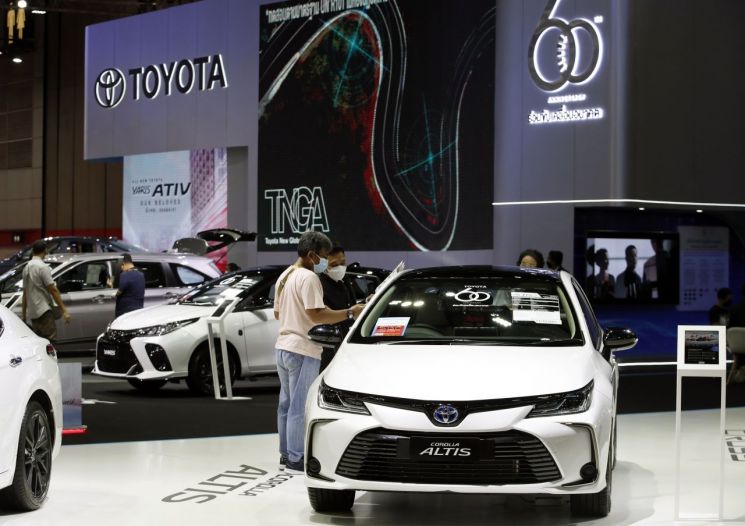
Japanese brands performed well in Korea until the mid-to-late 2000s, often producing annual best-selling models. In 2008, when Japanese brand market share was at its peak, it reached 36%. However, after the Great East Japan Earthquake in 2011, recovery was slow, and the spread of the boycott movement against Japanese products caused the market share to plummet sharply. Last year, the combined market share of Japanese brands in the imported passenger car market was only about 6%.
Although not large in scale, the volume of vehicles South Korea exported to Japan also increased. Last year, Hyundai re-entered the Japanese market after 12 years with dedicated electric and hydrogen vehicles, starting local sales. Automobile exports to Japan reached the highest level since related statistics began in 1988. Additionally, some models such as Camry, Sienna, and Accord are imported from U.S. factories rather than Japan, which affects the trade statistics with Japan.
This trend is likely to continue for the time being. However, in the case of electric vehicles, subsidies play a decisive role in vehicle purchases, so future changes in subsidy criteria are expected to act as variables.
© The Asia Business Daily(www.asiae.co.kr). All rights reserved.
![Clutching a Stolen Dior Bag, Saying "I Hate Being Poor but Real"... The Grotesque Con of a "Human Knockoff" [Slate]](https://cwcontent.asiae.co.kr/asiaresize/183/2026021902243444107_1771435474.jpg)


















