Sudden Surge in Heart Attacks... 60 Cases Daily
Avoid Stress and Excessive Drinking
There are some who do not welcome the Lunar New Year holiday, a major national festival, with open arms. These include those who suffer from excessive housework before and after the holiday or experience stress from relatives' nagging. The stress that recurs every holiday season has even led to the creation of the term "holiday syndrome."
In particular, holiday syndrome appears not only in housewives who endure long hours of housework but also in children preparing for employment or marriage, and the elderly caring for grandchildren. Related research has also revealed that there is a notably high number of cardiac arrest (heart attack) patients due to stress during the holiday period.
Physical and Mental Symptoms May Appear Due to Holiday Stress
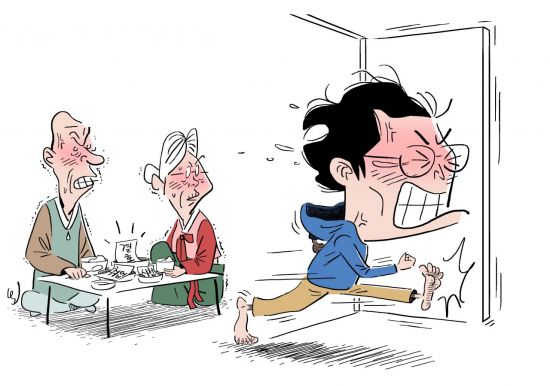
Severe stress during the holidays can cause physical and mental symptoms, so caution is required. Physical symptoms include dizziness, headaches, loss of appetite, indigestion, and fatigue, while mental symptoms include irritability, depression, anxiety, lethargy, and decreased concentration.
In particular, if mental symptoms persist, they can lead to Hwabyeong. Hwabyeong is a disorder caused by accumulated anger and feelings of injustice, resulting in chest tightness, insomnia, headaches, and other symptoms. If left untreated, it can cause autonomic nervous system abnormalities and lead to chronic diseases such as hypertension, diabetes, and heart disease.
Excessive housework can also cause joint disorders in the shoulders, lower back, and wrists. If symptoms are neglected, musculoskeletal disorders such as carpal tunnel syndrome, herniated discs in the lower back, and cervical disc herniation may develop. If these physical and mental symptoms persist for more than two weeks, it is necessary to visit a hospital for treatment.
Why Are There Especially Many 'Heart Attacks' During the Lunar New Year Holiday?
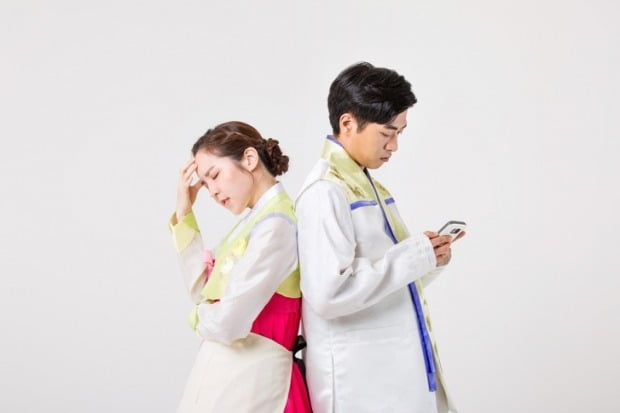
Among these findings, research has shown that many cardiac arrest patients occur during the holiday period due to stress.
The cardiology research team at Mediplex Sejong Hospital analyzed 95,660 cases of cardiac arrest caused by internal medical conditions out of 139,741 cases of out-of-hospital cardiac arrest that visited emergency rooms nationwide from 2012 to 2016. Cases of suicide were excluded.
During the research period, the holiday period totaled 43 days, during which 2,587 cardiac arrest patients occurred. On average, 60.2 people suffered cardiac arrest per day during the holiday period.
During the same period, ▲on weekdays (1,243 days), there were 51.2 cardiac arrest patients ▲on weekends (491 days), 53.3 patients ▲on public holidays (50 days), 52.1 patients. Notably, the incidence of cardiac arrest was highest toward the end of the holiday period (the third day of the holiday), rather than before or on the holiday itself.
The research team cited increased stress, excessive alcohol consumption, and changes in physical activity cycles such as sleep as reasons for the high incidence of cardiac arrest during the holidays. The team stated, "Koreans tend to become lazier or experience severe stress during the holidays, causing sudden changes in lifestyle patterns. These changes can adversely affect patients with cardiovascular and cerebrovascular diseases, so it is important to maintain a regular lifestyle rhythm and be prepared for emergencies even during the holidays."
© The Asia Business Daily(www.asiae.co.kr). All rights reserved.
![Clutching a Stolen Dior Bag, Saying "I Hate Being Poor but Real"... The Grotesque Con of a "Human Knockoff" [Slate]](https://cwcontent.asiae.co.kr/asiaresize/183/2026021902243444107_1771435474.jpg)
















