Holding of Industrial Supply Chain Inspection Meeting
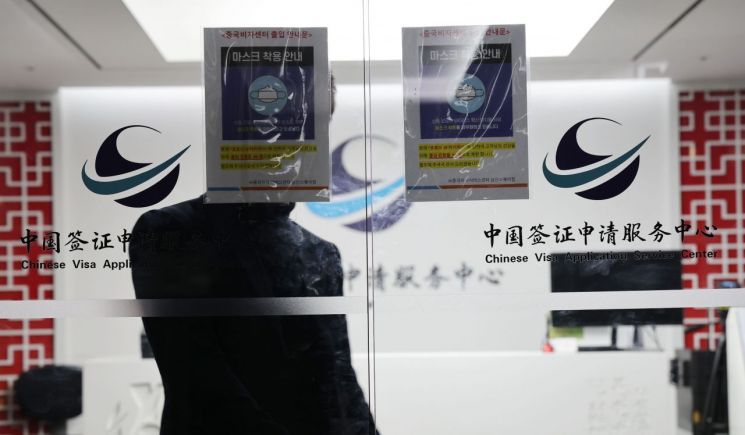
[Asia Economy Reporter Park Sun-mi] The government has determined that retaliatory measures such as China’s short-term visa restrictions could act as risk factors for supply chains and has begun preparing countermeasures.
On the 17th, the Ministry of Trade, Industry and Energy held the 1st Industrial Supply Chain Inspection Working Meeting. Together with the Korea Chamber of Commerce and Industry, Korea International Trade Association, Korea Trade-Investment Promotion Agency, and major industry groups, they reviewed recent issues related to the global supply chain and discussed response measures.
The Korea International Trade Association and Korea Trade-Investment Promotion Agency assessed the impact on supply chains following China’s easing of quarantine measures, stating that “there may be temporary disruptions in operations and logistics, but the direct impact on our companies within China is limited.” They predicted that due to China’s Lunar New Year holiday, there would be little significant impact at least during January.
However, participants expressed concerns that “if retaliatory measures such as China’s short-term visa restrictions persist or if operational shutdowns due to COVID-19 spread are prolonged, these could act as risk factors for the supply chain.” They also mentioned the “need for timely government support.”
Accordingly, the Ministry of Trade, Industry and Energy announced plans to operate a 'China Trade Support Desk' in cooperation with related organizations to respond to difficulties faced by Korean companies, including support for online consultation meetings. They also explained that they will closely monitor the supply chain impact caused by China’s easing of COVID-19 quarantine measures and strive to respond promptly if any abnormal signs in the supply chain are detected.
The meeting also discussed changes in supply chain policies of major countries such as the US Semiconductor Act and Inflation Reduction Act, and the EU’s Supply Chain Due Diligence Act and Critical Raw Materials Act, as well as practical government support measures to stabilize supply chains accordingly. Major industry groups urged that a supply chain support system that companies can tangibly feel, such as supporting private sector stockpiling of key raw materials and securing alternative import sources, should be promptly established.
The Ministry of Trade, Industry and Energy is closely consulting with the legislature to ensure that the amendment to the 'Special Act on Materials, Parts, and Equipment' passes the National Assembly plenary session within the first half of this year, thereby establishing the legal basis for supply chain stabilization support policies. The 'Comprehensive Support Project for Materials, Parts, and Equipment Supply Chain Stabilization,' aimed at private stockpiling and discovering alternative import sources, is also scheduled to be implemented starting this year.
Yang Ki-wook, Director of Industrial Supply Chain Policy, stated, “The Ministry of Trade, Industry and Energy will continue to strengthen supply chain monitoring and support systems, and if supply chain-related issues arise in the future, it plans to hold industrial supply chain inspection working meetings to assess the impact on our companies and promptly prepare response measures.”
© The Asia Business Daily(www.asiae.co.kr). All rights reserved.
![Clutching a Stolen Dior Bag, Saying "I Hate Being Poor but Real"... The Grotesque Con of a "Human Knockoff" [Slate]](https://cwcontent.asiae.co.kr/asiaresize/183/2026021902243444107_1771435474.jpg)
















