No-till and Reduced Chemical Fertilizer Carbon Farming
Attractiveness Declines as Sales Revenue Surpasses Subsidies
[Asia Economy Reporter Hyunwoo Lee] The 'Carbon farming' policy, which was promoted as an eco-friendly initiative mainly by major agricultural corporations in the United States, has significantly contracted following the sharp rise in food prices after the Ukraine war. While carbon farming, aimed at reducing carbon emissions, provided certain subsidies despite lower yields, the attractiveness of these subsidies has diminished due to the surge in food prices after the Ukraine war.
According to the Wall Street Journal (WSJ) on the 16th (local time), a survey conducted last year by the U.S. consulting firm McKinsey involving over 1,300 American farmers revealed that less than 5% of farmers had enrolled in carbon farming programs. Although major agricultural corporations in the U.S. are encouraging farmers to participate in line with the government's carbon neutrality policies, many farmers are refusing to join carbon farming due to its uncertain profitability, WSJ reported.
Carbon farming refers to agricultural methods that minimize carbon emissions during farming and increase fallow land so that the soil can absorb carbon and function as a carbon sink. It involves no-till farming, where crops are grown directly without tilling to reduce carbon emissions from soil cultivation, and the use of natural fertilizers instead of chemical ones.
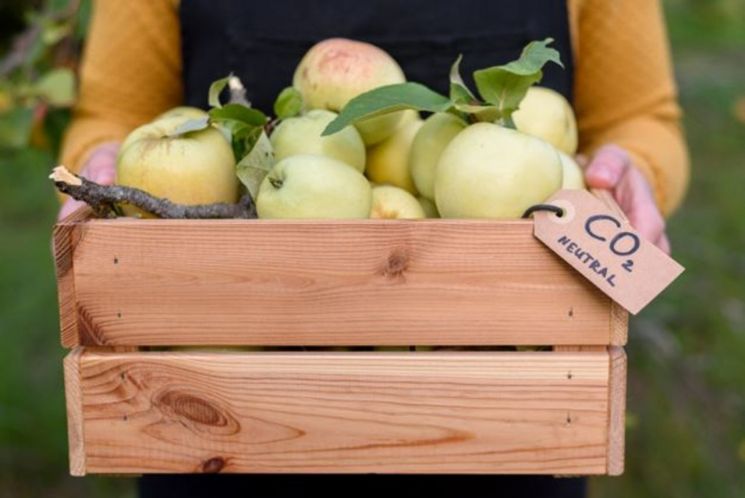
According to the Soil Science Society of America (SSSA), utilizing such carbon farming methods can reduce carbon emissions by 0.3 tons per acre (approximately 1,224 pyeong). Agricultural companies like Indigo Agriculture and fertilizer manufacturer Nutrien have been implementing carbon farming programs over recent years, providing farmers with subsidies of $15 to $20 (approximately 18,000 to 25,000 KRW) per ton of carbon emissions reduced.
These companies have proactively conducted pilot programs anticipating the expansion of the carbon credit market and stricter carbon reduction regulations in the agricultural sector under the U.S. government's carbon neutrality policies. During the COVID-19 pandemic, when lockdowns caused a sharp decline in demand for agricultural products and labor shortages led to increased idle land, carbon farming programs served as supplementary income for farmers, WSJ reported.
However, as the COVID-19 situation eased and agricultural product prices surged following the Ukraine war, carbon farming began to act as a factor reducing farm income, significantly changing the atmosphere. Many farmers have come to prefer increasing production using traditional farming methods and selling agricultural products in the market over carbon farming.
Chris Herbert, Chief Strategy Officer (CSO) of Indigo Agriculture, told WSJ in an interview, "For farmers to pay attention to carbon farming, subsidies need to be priced at least $75 per ton," adding, "If subsidies exceed $100 per ton, farmers will seriously consider carbon farming." He further emphasized, "We increased subsidies from around $20 to $40 last year and plan to raise prices further."
© The Asia Business Daily(www.asiae.co.kr). All rights reserved.
![Clutching a Stolen Dior Bag, Saying "I Hate Being Poor but Real"... The Grotesque Con of a "Human Knockoff" [Slate]](https://cwcontent.asiae.co.kr/asiaresize/183/2026021902243444107_1771435474.jpg)















