10 Trillion Won Bank Run and Industry Bankruptcy Crisis Aftershocks
"Criticism That FTX Incident Stemmed from Lack of Regulatory Supervision"
[Asia Economy Reporter Yujin Cho] Two months after the FTX bankruptcy crisis shook the virtual asset market, the aftershocks are intensifying, with a bank run involving withdrawals totaling around 10 trillion won continuing. As pessimistic sentiment toward virtual assets spreads, a U.S.-based virtual asset lending company has been pushed to the brink of bankruptcy. Amid the continued entry of regulated financial institutions into the virtual asset market, criticism is mounting that authorities must take serious steps to establish a regulatory framework in response to the FTX bankruptcy crisis.
The three major U.S. financial regulatory agencies?the Federal Reserve (Fed), the Federal Deposit Insurance Corporation (FDIC), and the Office of the Comptroller of the Currency (OCC)?issued a joint statement on the 3rd (local time), saying, "(The FTX bankruptcy crisis) revealed fraudulent activities by virtual asset companies, market volatility, and legal uncertainties," and added, "Risks related to virtual assets that cannot be mitigated or controlled must not be transmitted to the banking system."
These agencies warned of risk transmission due to interconnections among specific assets and stated that they would carefully review commercial banks' entry into virtual asset-related businesses. They further added, "Considering the significant risks arising from the recent collapse of several large virtual asset companies, we will continue to take a thorough and cautious approach to banks' virtual asset-related activities and risk exposures."
Previously, U.S. Treasury Secretary Janet Yellen and Fed Chair Jerome Powell have repeatedly expressed negative views by classifying virtual assets as 'speculative assets,' but they have not presented specific countermeasures related to this crisis. In their statement on this day, these agencies also avoided direct mention of additional regulatory tightening or crackdowns related to virtual assets.
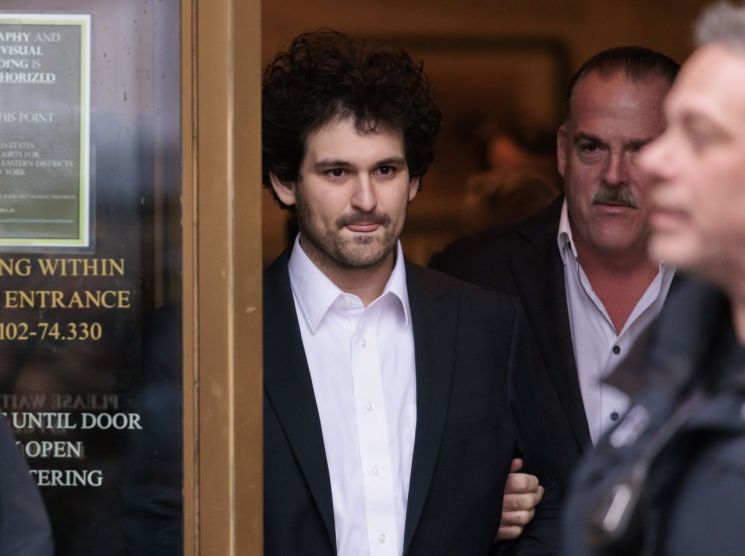
This statement came as the third-largest virtual asset exchange in the world, FTX, went bankrupt, and its repercussions spread across the industry, including other exchanges, banks, and virtual asset lending companies. Silvergate Capital, a virtual asset-specialized bank headquartered in California, began restructuring in response to $8.1 billion (approximately 10.3 trillion won) in deposit withdrawal demands.
Silvergate's virtual asset-related customer deposits decreased by 68% ($8.1 billion) over three months, from $11.9 billion at the end of September last year to $3.8 billion at the end of December. To resolve the bank run, the company incurred a loss of $718 million and sold assets worth approximately $5.2 billion. Additionally, as a cost-cutting measure, it laid off 200 employees, accounting for 40% of its workforce.
Alan Lane, CEO of Silvergate, said, "As the virtual asset market faces a crisis of trust, many institutional investors are making massive deposit withdrawals." Silvergate's management mentioned the possibility of the company becoming a target for acquisition by larger financial institutions. Following news of the bank run, Silvergate's stock, listed on the New York Stock Exchange, plummeted more than 45% intraday to the $11 range.
Starting as an online community, Silvergate rapidly grew in recent years to become a major banking partner of the FTX empire. Silvergate served major virtual asset companies such as FTX, Coinbase, and Gemini, providing services that convert digital assets into dollars and euros for safekeeping.
Alongside Silvergate, Genesis Global Trading, a U.S. virtual asset lending company also pushed to the brink of bankruptcy, laid off 30% of its entire workforce. The layoffs were company-wide rather than limited to specific departments, leaving Genesis with only 145 employees, according to The Wall Street Journal (WSJ).
Genesis provides services such as trading and over-the-counter brokerage to exchanges and institutional investors, with a cumulative transaction volume reaching $38 billion as of the third quarter of last year.
As major regulated banks like Fidelity and BlackRock continue to launch new virtual asset-related services, there are calls for authorities to take a more aggressive stance on virtual asset regulation in light of the FTX bankruptcy crisis. The crisis is seen as stemming not only from internal control failures within companies but also from unreliable financial information and a lack of regulatory oversight.
Arthur Wilmarth, emeritus professor at George Washington University Law School, stated, "Compared to the recent wave of fraud, misuse of customer assets, and other illegal activities in the virtual asset industry, the authorities' response has been insufficient," and emphasized, "Financial regulators need to raise their level of vigilance."
© The Asia Business Daily(www.asiae.co.kr). All rights reserved.
![Clutching a Stolen Dior Bag, Saying "I Hate Being Poor but Real"... The Grotesque Con of a "Human Knockoff" [Slate]](https://cwcontent.asiae.co.kr/asiaresize/183/2026021902243444107_1771435474.jpg)















