[Asia Economy Reporter Yujin Cho] The market capitalization of the representative tech stock 'MANTA,' which was at the center of the U.S. stock market decline last year, has evaporated by $3.3848 trillion (approximately 4,308 trillion KRW). This was the result of repeated stock price declines as pessimism spread amid high-intensity interest rate hikes and recession concerns. MANTA is a neologism derived from the first letters of the five major tech stocks Microsoft (MS), Apple, Nvidia, Tesla, and Alphabet, and has been regarded as opening a new horizon for big tech following 'FAANG,' represented by Facebook (now Meta).
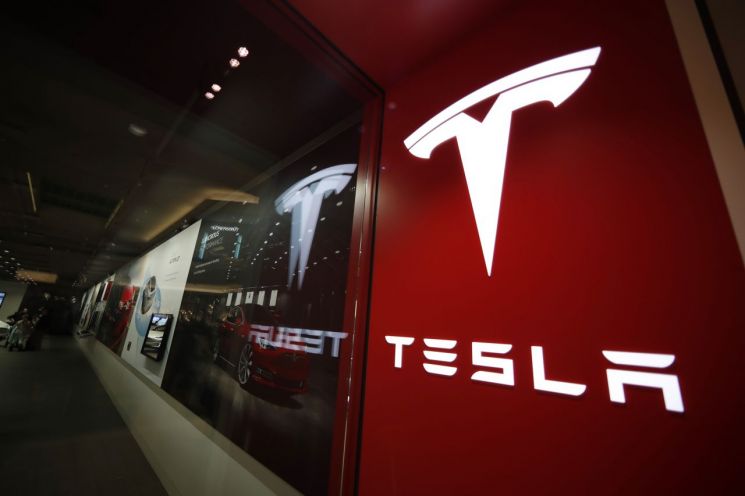
According to Asia Economy's own tally on the 6th, Tesla, the world's largest electric vehicle company, saw its market cap shrink by $672 billion over the past year. The stock price plummeted nearly 70% due to sluggishness in its core electric vehicle business combined with 'owner risk' issues. In particular, after Tesla CEO Elon Musk completed the Twitter acquisition at the end of October last year, the decline accelerated, with the stock price dropping more than 36% in December alone. The British Economist sharply criticized Tesla, stating that the era when Tesla was a game changer in the electric vehicle market is over and that "Tesla should be excluded from tech stocks."
In the market, there is an assessment that Tesla is no longer a dominant company in the global electric vehicle market. The market cap, which once easily exceeded $1 trillion at its peak, shrank to $388.9 billion at the end of last year (based on the closing price on the 30th of last month), and its market cap ranking fell significantly from 5th to 15th in the S&P 500. Even Wedbush analyst Dan Ives, known as a Tesla bull, evaluated that "Tesla's Cinderella story is over."
Apple, the leader among big tech stocks, lost $834.1 billion in market cap over the past year. Although the stock price decline was 15%, the smallest among the five companies, the decrease was the largest due to the size of the world's number one market cap company. The sluggish performance of Apple's stock was largely influenced by the U.S. government's high-intensity tightening measures. Since the Federal Reserve (Fed) began aggressive interest rate hikes starting with a big step (0.5 percentage point increase in the benchmark rate) in May last year for the first time in 22 years, the stock price fell sharply, and Apple temporarily lost its position as the world's number one market cap company to Saudi Aramco.
Among tech stocks, MS, ranked third in market cap, lost $734.7 billion over the past year. MS suffered from multiple difficulties including rising costs due to supply chain bottlenecks amid recession concerns and decreased demand. In particular, the failed merger with Activision Blizzard, which MS had bet on as its next growth engine in the gaming business, acted as an internal negative factor and adversely affected the stock price.
Nvidia, a leading U.S. semiconductor company, was hit hard by the semiconductor downturn that swept through last year, with its stock price nearly halving (47%). The market cap lost $371.1 billion. Poor performance amid the overall semiconductor industry's downturn shocked the stock price. With the interest rate hike trend expected to continue amid this year's recession, it is unlikely that Nvidia will easily break the downward trend from last year and achieve a rebound.
© The Asia Business Daily(www.asiae.co.kr). All rights reserved.