Gangnam-gu Opens Shelter for Visually Impaired
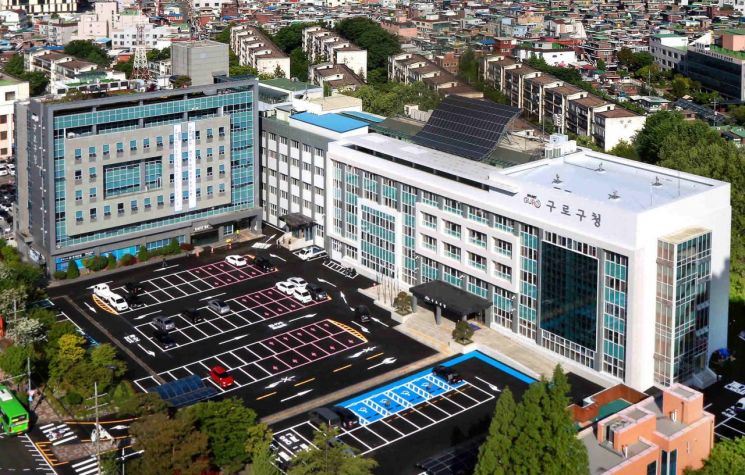
Big Data-Based Comprehensive Survey, Tailored Living Stability Support Through Tight Discovery via Public-Private Cooperation
[Asia Economy Reporter Park Jong-il] Guro-gu is making every effort to identify potential vulnerable households in preparation for the winter cold wave and heavy snowfall.
Guro-gu (Mayor Moon Heon-il) announced that it has established the "2022 Winter Welfare Blind Spot Vulnerable Household Discovery and Support Plan" and will promptly support vulnerable households through meticulous identification based on big data.
First, the district will utilize crisis information from the Social Security Information System (Happiness e-Eum) to discover welfare blind spots. It collects and analyzes big data such as winter vulnerable groups and electricity bill defaulters, and if support is deemed necessary, welfare services will be linked.
To detect vulnerable households early and prevent risky situations such as solitary deaths, a "Socially Isolated Single-Person Household Survey" will be conducted until the end of January next year. Welfare officers from the district will visit individual households directly to conduct the survey. This year’s survey targets include ▲ 10,382 households that were not surveyed during the 2021 survey of middle-aged and older single-person households in housing-vulnerable areas ▲ 404 households estimated by Guro-gu to be at risk of social isolation.
Additionally, during home visits for resident registration fact-finding, if vulnerable groups are discovered by carefully observing living environments and conditions, they will be immediately linked to the welfare officers. Promotion of welfare blind spot discovery and support will be strengthened for new residents.
Along with this, local community security council members, neighborhood leaders, as well as delivery workers, post office employees, pharmacists, convenience store staff, and hairdressers?who frequently visit homes?will be utilized as honorary social welfare officers to directly check on high-risk vulnerable households.
Discovered target households will receive tailored living stability support.
For households suddenly facing livelihood difficulties due to the cold wave or housing-vulnerable households susceptible to cold, the district will provide information on the "Seoul-type Emergency Welfare Support" and distribute winter supplies. For care groups such as the elderly, middle-aged, and disabled, care managers will visit directly to provide the tailored "Care SOS Service," which includes ten types of care services.
At the same time, cooperation with the private sector will be strengthened. The district will carry out the "Hope Ondol Warm Winter Campaign" promoted by Seoul City and the Seoul Social Welfare Community Chest to assist vulnerable groups who need emergency support or do not receive public assistance. Food donations will be collected through food banks and food markets and delivered to neighbors in need.
A Guro-gu official said, "In line with the district slogan 'Warm Companionship,' we will do our best to discover vulnerable households so that no residents are left out," and added, "We ask for warm attention to neighbors in difficulty during the cold winter."
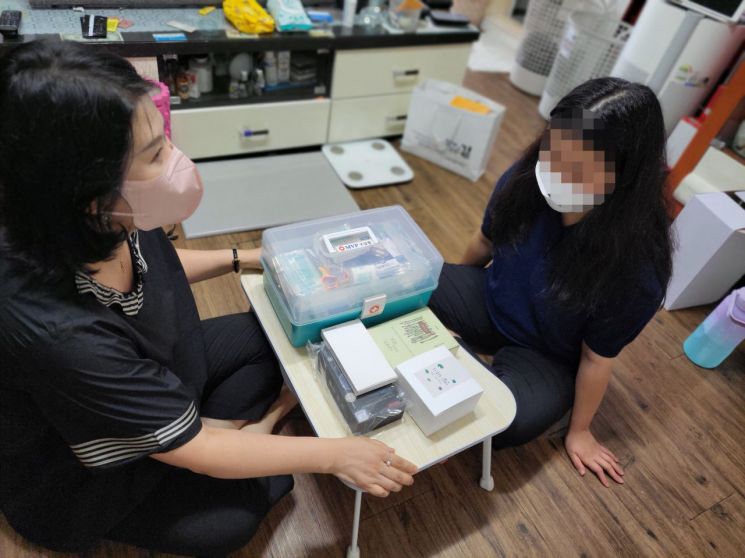
Seodaemun-gu Young Carer (First Nationwide Family Care Youth Discovery) Support Selected as Ministry of the Interior and Safety’s Active Administration Case
Seodaemun-gu (Mayor Lee Seong-heon) announced on the 30th that its "Family Care Youth (Young Carer) Support Project" was selected as a new case in the "Active Administration Regulatory Difficulty Resolution Performance Evaluation" hosted by the Ministry of the Interior and Safety.
Among 442 cases submitted by local governments nationwide, a total of 46 cases, including Seodaemun-gu’s project, were recognized as exemplary cases. The young carer discovery and support project, first initiated nationwide by the district, was evaluated as a project that overcame the limitations of welfare based on application.
Seodaemun-gu established a comprehensive plan consisting of 16 detailed projects in four areas: ▲ care burden relief ▲ economic support ▲ psychological, employment, and learning support ▲ awareness and institutional change. Through the Ministry of Health and Welfare’s pilot project designation, it discovered and supported a total of 51 young carers in 2022.
The district plans to actively develop specialized projects for young carers in the new year, make multifaceted efforts to discover target individuals, and collaborate with private institutions to ensure family care youth receive various services.
Lee Seong-heon, Mayor of Seodaemun-gu, said, "As with this case, we will continue to proactively respond to the difficulties of residents and local businesses through active administration."
Meanwhile, the Ministry of the Interior and Safety conducts the "Regulatory Difficulty Resolution Evaluation" to discover and spread active administration cases of local governments. Cases scoring 70 points or higher in the first and second evaluations are recognized as active administration cases, and the results are also reflected in the ministry’s joint evaluation of local governments.
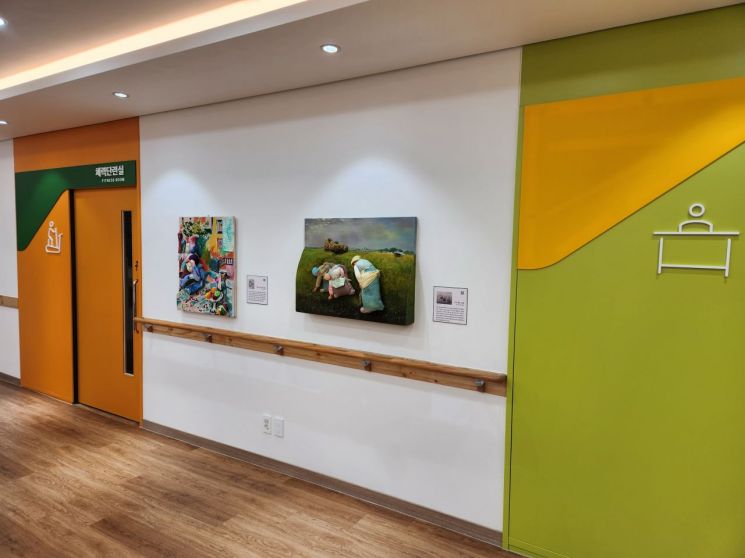
Opening on January 2: Braille and Physical Rehabilitation Exercise, Massage Job Training, Tactile Masterpiece Gallery, and Other Tailored Programs
Gangnam-gu (Mayor Jo Seong-myeong) is establishing the "Gangnam-gu Shelter for the Visually Impaired" on the 2nd floor of the Gangnam-gu Together Sharing Center (320 Bongeunsa-ro, Gangnam-gu), which will open on January 2 next year.
Existing welfare facilities in the area are designed to meet the needs of many people such as the elderly and people with developmental disabilities, making it difficult to operate programs specifically for the visually impaired.
There are about 1,500 visually impaired people in Gangnam-gu, accounting for 10.2% of the total 15,000 registered disabled persons. The district plans to create a shelter where visually impaired people can rest and learn comfortably and operate tailored programs.
The shelter, located near Exit 4 of Seonjeongneung Station, has a total floor area of 160.57㎡ and consists of a multipurpose room, fitness room, and singing classroom.
The shelter will offer various tailored programs including basic rehabilitation education such as voice smartphone usage and Braille education, one-on-one customized rehabilitation exercise services to strengthen physical functions, massage and acupressure job skill enhancement training, leisure and cultural support through singing classes, and activation of self-help groups engaging in various hobbies.
In particular, in cooperation with the Siloam Welfare Center for the Visually Impaired, the "Closer" program?a permanent art exhibition where visitors can experience world masterpieces through tactile senses?will be operated. The shelter space will continue to be used to develop and provide necessary services for the visually impaired.
Creating shelters and educational spaces tailored to such disability characteristics is a project that Gangnam-gu has been diligently promoting. Accordingly, in 2020, the district established a complex community space for the hearing impaired in Nonhyeon-dong called the Deaf Shelter. This facility operates a studio for producing sign language news and other content, a small library equipped with books and media videos, and sign language education programs.
Also, paying attention to the difficulties faced by people with developmental disabilities who have no facilities to attend after turning 18 while using educational institutions such as schools, the district opened the first lifelong education center for adult developmental disabilities in Suseo-dong in 2014. Since then, it has opened an additional developmental disability center, operating two locations (Suseo-dong and Yeoksam-dong) for the first time among local governments, leading customized welfare projects for the disabled.
Jo Seong-myeong, Mayor of Gangnam-gu, said, "With the establishment of this shelter, visually impaired people will be able to engage in education and leisure activities more comfortably," and added, "With the establishment of the Disability Welfare Division as of January 1 next year due to the district’s organizational restructuring, we will provide more delicate welfare that prioritizes the convenience of people with disabilities."
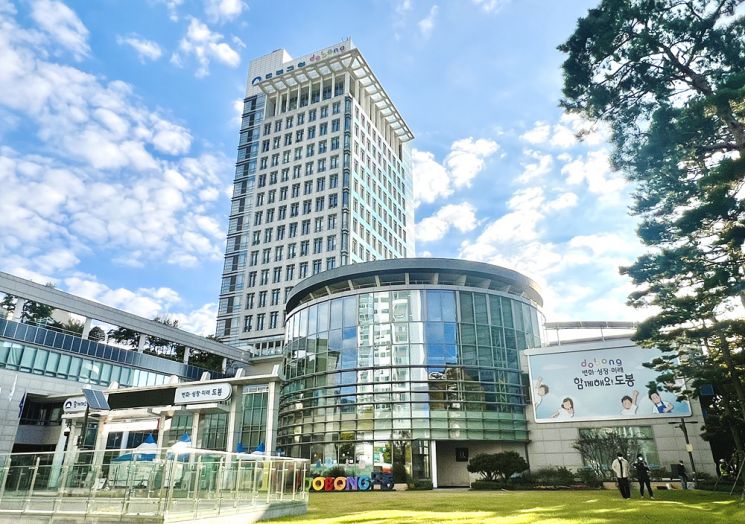
Dobong-gu Installs Openable Security Windows to Help Vulnerable Semi-Basement Residents Escape During Fires or Floods
Dobong-gu (Mayor Oh Eon-seok) conducted a pilot project to install openable security windows in vulnerable households such as semi-basements, allowing residents to open and exit from inside the house during disasters.
When openable security windows are installed, if a fire occurs near the entrance door or if the entrance to a semi-basement household is blocked due to water pressure from flooding, residents can open the security window to escape or be rescued easily.
This pilot project, supported by Seoul City, will first install the windows in 25 households vulnerable to fire or flood damage in semi-basements.
The district plans to allocate a budget for 2023 and gradually expand this project through the "2023 Dobong-type Companionship with the Vulnerable" comprehensive plan.
Oh Eon-seok, Mayor of Dobong-gu, said, "We will continue to do our best to improve the living environment and ensure safety for vulnerable groups through the implementation of the Dobong-type Companionship with the Vulnerable plan."
© The Asia Business Daily(www.asiae.co.kr). All rights reserved.



















