Stock Prices with No Room for Rebound
Tesla and Apple Face a Bleaker Outlook Next Year
[Asia Economy New York=Special Correspondent Joselgina, Reporter Kwon Haeyoung] US big tech stocks are plummeting helplessly. Tesla, which once joined the $1 trillion market cap club and ranked in the top 5, has finally been pushed out of the top 10 in market capitalization, and Apple, the world's largest market cap company, has fallen to a new low in a year and a half. Concerns over a global economic recession have dealt a direct blow to tech companies, and fears of shutdowns due to the spread of COVID-19 in China are dragging down big tech stock prices. The 'Big Tech Syndrome' led by Tesla has turned into a 'Big Tech Shock.'
Big Tech Stocks Falling One After Another
On the 27th (local time) at the New York Stock Exchange, Tesla's stock price closed at $109.10, down 11.41% from the previous session. The closing price on that day was the lowest since August 2020. Even the '100-sla,' which means a stock price of $100 per share, is in a precarious situation. Tesla's stock price has been falling for seven consecutive trading days, marking the longest decline since September 2018. The drop over the past seven trading days is about 31%, and the decline since the beginning of this year exceeds 69%.
Based on the closing price that day, Tesla's market capitalization was approximately $344.5 billion. Following its fall to 10th place in market cap on the 23rd, it dropped further to 16th place on that day. Tesla, which was listed on NASDAQ in 2010, became the first automobile company to join the $1 trillion market cap club at the end of 2021, but it has shrunk rapidly within just one year. The Wall Street Journal (WSJ) reported, "Tesla has continued its downward trend and has been pushed out of the top 10 in market capitalization," adding, "It is recording the worst performance ever this year."
Apple, also considered a representative big tech company along with Tesla, closed at $130.03, down 1.4% from the previous day. This is the lowest level since June last year. Apple has fallen 27% this year, relatively holding up compared to the 34% drop in the Nasdaq 100 index, which is tech stock-centered. However, its performance over the past month, including three consecutive days of stock price declines, lags behind the tech stock index.
China Production Bases Disrupted by COVID-19 Spread
The decline in Apple and Tesla stock prices is analyzed as a result of economic slowdown due to interest rate hikes, weak demand, and investment sentiment contraction caused by the stock market downturn. To make matters worse, reports have emerged that Apple and Tesla's local factories in China are facing production disruptions due to a surge in COVID-19 cases after China lifted lockdowns, further dragging down stock prices.
In Apple's case, its largest production base, Foxconn's Zhengzhou plant in Henan Province, China, is expected to face production disruptions for iPhones until the first half of next year due to the surge in COVID-19 cases. There are even concerns in the market that Apple's fourth-quarter sales this year will turn negative. Tesla's stock price took a direct hit with an 11% plunge partly because of foreign media reports that its Shanghai plant, which accounts for more than half of total production, will remain closed longer than usual. One foreign media outlet reported that Tesla is expected to extend the production cut at the Shanghai plant, which began this month, until next year. The plant will be shut down throughout the Lunar New Year holiday from February 20 to 31. COVID-19 infections among factory and parts supplier employees and demand contraction are cited as major causes. Tesla has also signaled a sales slowdown by abandoning its long-standing 'no discount' policy and implementing unusual discount policies. Additionally, Tesla is currently facing a US Senate investigation over allegations of using parts produced in Xinjiang, China, where imports have been banned.

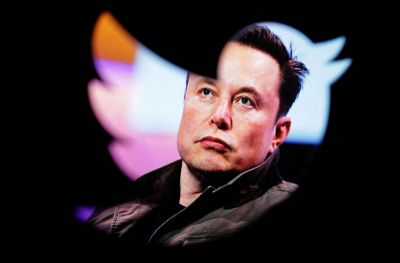
In particular, Tesla's stock price has been negatively affected by owner risks such as CEO Elon Musk's repeated 'eccentricities' and financial pressure from acquiring Twitter. After acquiring Twitter, Musk conducted large-scale layoffs, dismantled the organization that monitored hate speech on Twitter, and suspended the accounts of journalists who wrote critical articles about him, only to later restore them. Due to the ongoing owner risks, the fandom of American consumers who supported Musk has cooled, and Tesla's stock price has not rebounded easily. Some forecasts suggest that it will be difficult for Tesla's stock price to recover until Musk actually steps away from Twitter management and focuses fully on Tesla.
Next Year Looks Difficult
The outlook is not bright. As central banks around the world raise interest rates to combat inflation, there are dark forecasts that the economy will enter a recession phase beyond just a slowdown next year. As concerns grow over possible recessions in Europe and the US, big tech companies are expected to face deteriorating performance next year as they did this year.
Bloomberg reported, "Investors expect the US Federal Reserve to maintain a hawkish stance to fight inflation," adding, "Tech stocks will face the worst December since the dot-com era."
© The Asia Business Daily(www.asiae.co.kr). All rights reserved.


















