EU mandates removable smartphone batteries
Only detachable models allowed if bill passes
Removable types nearly extinct since integrated iPhone introduced
The European Union (EU) is pushing a bill to mandate 'removable' batteries for smartphones, raising expectations that so-called 'modular phones' could make a comeback. In the past, most mobile phones used replaceable batteries, but as leading smartphone companies like Apple and Samsung Electronics focused on 'integrated phones,' these gradually disappeared.
On the 20th (local time), the electronics and telecommunications media outlet GSMArena reported that the EU has agreed on the contents of a new bill standardizing removable batteries for smartphones.
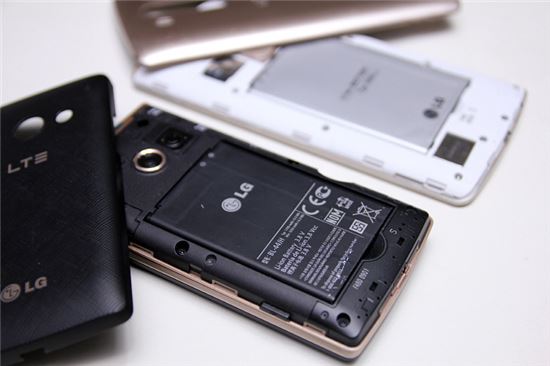
According to the official press release posted on the EU Executive Commission's website, the bill covers not only smartphones but also various electronic devices such as electric vehicles. The plan is to make the batteries of electronic devices sold in the EU all easily replaceable, thereby extending battery life and increasing recyclability.
If the bill passes, companies selling smartphones in the EU will be given a total grace period of 3 years and 6 months, during which they must redesign their phone designs.
Integrated Phones Became the Mainstream After Apple iPhone
If smartphone manufacturers are required to sell only removable battery devices in the EU market, other countries may also be offered removable phone options.
This is because factories that have only produced integrated battery phones will need to add production lines for removable form factors (hardware specifications). To reduce production facility maintenance costs, production volume must increase, so orders for modular phones will likely be accepted not only in the EU but also in other countries.
In the past, most phones were modular, allowing batteries to be freely removed. However, as phone manufacturers focused on integrated designs where the battery and phone are completely combined, the position of modular phones gradually narrowed.
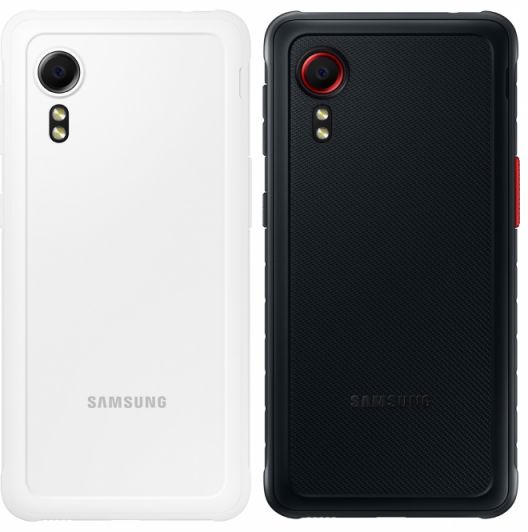 Samsung's 'Galaxy XCover5,' released domestically last January, revived the removable battery feature after about seven years. / Photo by Samsung Electronics
The company that led the development of integrated phones is Apple. Since the launch of the first iPhone, Apple has insisted on integrated designs only, and to this day, all of Apple's smartphone products are offered exclusively as integrated units. Meanwhile, Samsung used to support modular designs but unified to integrated designs starting with Galaxy series new products released around 2015.
Integrated phones have advantages in design, being sleeker than modular phones, and they improve manufacturing efficiency and case safety. However, from the consumer's perspective, they have to accept drawbacks such as shortened battery life and limited repairability of parts.
Costs Vary Greatly by Company if Bill Passes
If the EU's new battery-related law is actually implemented, the costs that each company must bear are expected to vary greatly. Samsung, for example, has unified its main products as integrated but still maintains some production lines for modular form factors.
Therefore, it is expected to be relatively easier for Samsung to increase production lines for modular phones and improve yield rates in the future. For instance, Samsung has already revived removable batteries starting with the 'Galaxy XCover 5' series released domestically in January.
On the other hand, Apple, which has never produced modular phones before, is expected to bear significant initial costs. It will need to redesign the rear to accommodate removable batteries and also diversify the existing iPhone production lines. Apple currently outsources iPhone production to the Taiwanese contract manufacturer Foxconn.
© The Asia Business Daily(www.asiae.co.kr). All rights reserved.
![Clutching a Stolen Dior Bag, Saying "I Hate Being Poor but Real"... The Grotesque Con of a "Human Knockoff" [Slate]](https://cwcontent.asiae.co.kr/asiaresize/183/2026021902243444107_1771435474.jpg)
















