[Asia Economy Reporter Bu Aeri] The number of companies showing signs of insolvency is increasing due to the complex crisis of high interest rates, high inflation, and high exchange rates.
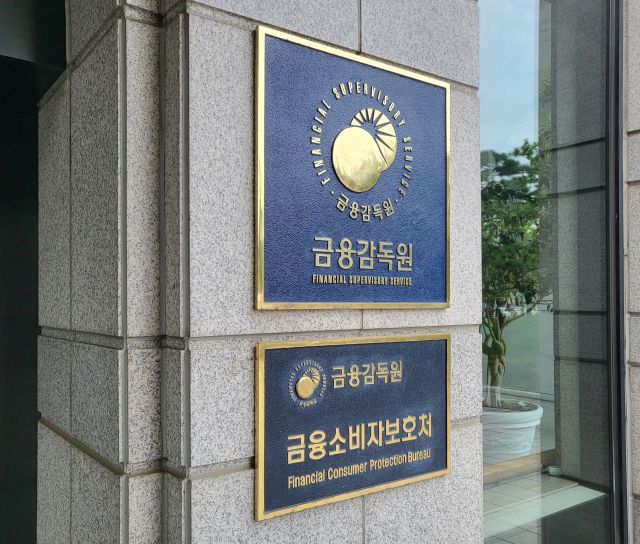
According to the Financial Supervisory Service on the 19th, as a result of the regular credit risk assessment conducted by creditor banks this year, 185 companies were selected as companies showing signs of insolvency (C and D grades). This is an increase of 25 companies compared to the previous year.
Among the companies showing signs of insolvency, 84 companies were rated C (high possibility of business normalization), an increase of 5 companies from the previous year, and 101 companies were rated D (low possibility of business normalization), an increase of 20 companies.
By size, large companies (credit exposure of 50 billion KRW or more in the financial sector) accounted for 2 companies, and small and medium-sized enterprises (credit exposure of less than 50 billion KRW in the financial sector) accounted for 183 companies.
The number of companies showing signs of insolvency decreased during the COVID-19 period but has increased again this year, approaching the level of 2018.
Regarding this, the Financial Supervisory Service explained that it is due to the increase in marginal companies and the worsening management of small and medium-sized enterprises caused by the complex crisis.
By industry, the machinery and equipment sector had the highest number with 20 companies. This was followed by metal processing (16 companies), real estate (15 companies), and wholesale and brokerage (13 companies).
Looking at the increase and decrease by industry, the real estate industry, a domestic demand sector, increased by 12 companies, and the number of companies showing signs of insolvency increased in food manufacturing (8 companies) and wholesale and brokerage (6 companies).
The automobile industry (7 companies) and metal processing (5 companies), which showed favorable performance, decreased.
However, the Financial Supervisory Service analyzed that the scale of credit exposure by the financial sector to companies showing signs of insolvency was 1.5 trillion KRW as of the end of September, which is not large, so the impact on the soundness of domestic banks is minimal.
The additional provision amount by banks due to the selection of companies showing signs of insolvency is estimated to be about 136.7 billion KRW, and the change in the Basel International Settlement Bank (BIS) ratio due to this is about 0.01 percentage points.
Support for companies based on the evaluation results will also be provided.
For companies applying for workout (C grade), business normalization will be promoted through creditor financial support based on the company's self-help efforts.
For normal companies (B grade) experiencing temporary liquidity crises, support will be provided through rapid financial support systems or pre-workout programs.
The regular credit risk assessment is a system implemented by creditor banks under the 'Corporate Restructuring Promotion Act' to select companies showing signs of insolvency, and necessary follow-up measures are taken according to the evaluation grade.
© The Asia Business Daily(www.asiae.co.kr). All rights reserved.
![Clutching a Stolen Dior Bag, Saying "I Hate Being Poor but Real"... The Grotesque Con of a "Human Knockoff" [Slate]](https://cwcontent.asiae.co.kr/asiaresize/183/2026021902243444107_1771435474.jpg)















