[Seoul Autonomous District News] Gwanak-gu, 65.8 Billion KRW Increase in Next Year's Budget, Up 7.3 Percentage Points from This Year & Focus on New Leap in the 8th Elected Term with Emphasis on Economic Revitalization and Safety for Residents... Dongdaemun-gu, 797.7 Billion KRW Budget for 2023, Up 8.4% from This Year, Prioritizing 8th Term Promises, Cheongnyangni Area Renovation, Support for Vulnerable Groups, Expanded Education Investment, and Cultural Activity Budget... Dongjak-gu, 800.1 Billion KRW Budget Confirmed for 2023, Up 8.2% Year-on-Year... Yongsan-gu, 2023 Budget
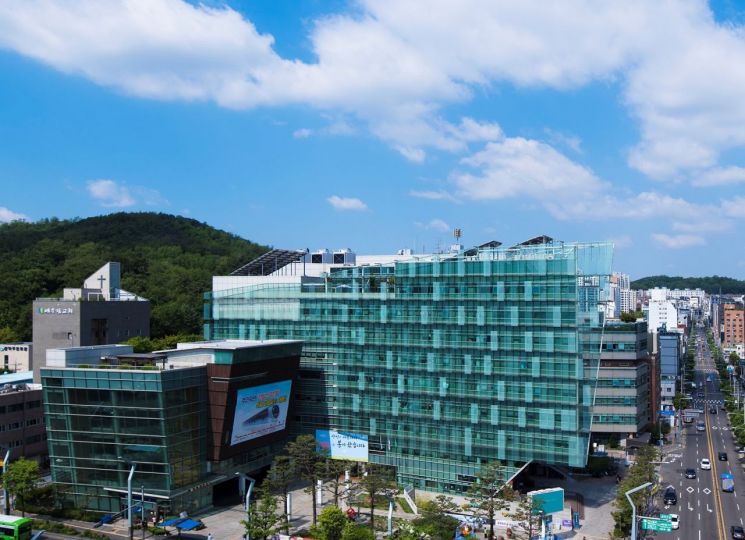
[Asia Economy Reporter Park Jong-il] Gwanak-gu (Mayor Park Jun-hee) confirmed the 2023 main budget at 971.5 billion KRW through the resolution of the Gwanak-gu Council on the 15th.
This is an increase of 65.8 billion KRW (7.3 percentage points) compared to this year, consisting of 954.9 billion KRW in the general account and 16.6 billion KRW in the special account.
The 2023 Gwanak-gu budget aims to create tangible results for residents through 'selection and concentration' within limited resources. It focuses on preparing for a leap forward by centering on core projects for new growth in the 8th elected term based on the key achievements of the 7th elected term.
To build a ‘bigger and stronger economy,’ a total of 13.1 billion KRW will be invested in public job projects such as the Gang Gam-chan Gwanak-type jobs (3.4 billion KRW), Gwanak S Valley 2.0 projects including startup fund formation (3.2 billion KRW), Artterior projects (600 million KRW), Gwanak Love gift certificates (1.4 billion KRW), and support for revitalizing traditional markets (1.7 billion KRW) to support livelihood recovery and revitalize stagnant commercial districts.
The social welfare budget accounts for the largest portion at 56.9% of the total budget, with 553 billion KRW allocated, an increase of 52 billion KRW from 2022. This includes basic pensions (180 billion KRW), senior job and social activity support (13.5 billion KRW), livelihood and housing benefits (122.4 billion KRW), and childcare support projects (3.2 billion KRW). The district plans to actively respond to welfare demands and continuously support the elimination of welfare blind spots, which remain a social issue.
For creating a ‘young and vibrant top-tier education and culture’ city, 45.1 billion KRW was allocated, including an increase of 2 billion KRW for education expenses (8 billion KRW) compared to this year, supporting educational infrastructure and underprivileged groups, and operating the Gwanak Cultural Foundation (11.9 billion KRW) for various cultural, artistic, and sports activities.
Additionally, to create a ‘safe city,’ 1 billion KRW will be invested in residents’ safety insurance enrollment and support for installing openable security windows in semi-basements, and 3 billion KRW will be allocated to a disaster management fund for disaster prevention projects. Furthermore, 52.6 billion KRW for cleaning and environmental sectors and 4.9 billion KRW for public parking lot projects will be promoted to resolve inconveniences for local residents.
In the health and hygiene sector, a total of 20.2 billion KRW was allocated, including 5.1 billion KRW for national vaccinations and 1.4 billion KRW for maternal and newborn health management, ensuring thorough basic health care for residents.
A district official said, “The 2023 budget focused more than ever on reflecting residents’ demands amid difficult financial conditions and ensuring balanced budget allocation across all sectors. We will do our best to add vitality and warmth to residents’ daily lives through sound budget management.”
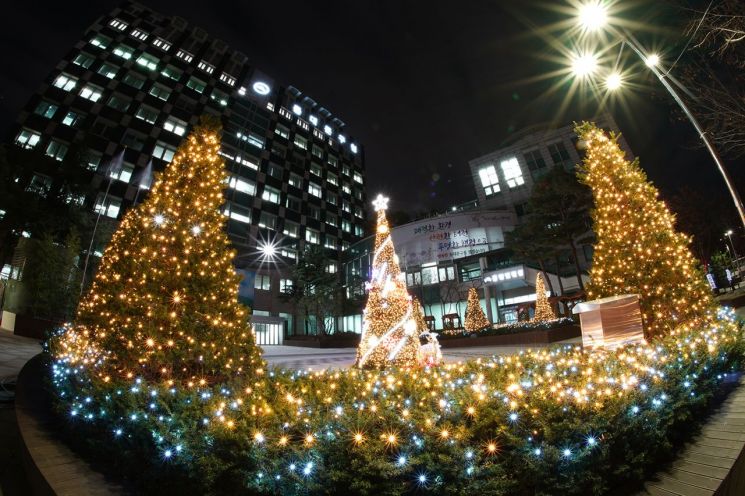
Dongdaemun-gu (Mayor Lee Pil-hyung) announced that the 2023 budget totaling 797.7 billion KRW, including 780 billion KRW in the general account and 17.7 billion KRW in the special account, was confirmed through the resolution of the district council.
This represents an 8.3% increase compared to this year’s main budget of 720 billion KRW in the general account.
The fund of 115.2 billion KRW increased by 75.6% from the previous year due to expanded operation of disaster management funds for various disasters, small and medium enterprise development funds for regional economic revitalization, and integrated financial stabilization funds for stable district finances.
The Dongdaemun District Council reviewed the budget proposal submitted by the executive branch through three standing committees: the Operations Committee, the Administrative Planning Committee, and the Welfare and Construction Committee, before submitting it to the Budget and Accounts Special Committee.
The Budget and Accounts Special Committee reduced the expenditure budget by 7.14847 billion KRW in the general account and 30 million KRW in the special account, while the fund operation plan was submitted as originally proposed to the plenary session. The council approved the budget as reviewed and adjusted by the special committee at the 317th regular plenary session on the afternoon of the 16th.
Welcoming the newly launched 8th elected term, the district formulated the budget focusing on realizing ‘pleasant Dongdaemun, safe Dongdaemun, transparent Dongdaemun’ by promoting various pledge projects, renovating the Cheongnyangni area, revitalizing the local economy, supporting vulnerable groups, expanding educational investment for creative talent development, and restoring cultural activities. The budget aims to overcome the four major economic crises of high inflation, high interest rates, high exchange rates, and high oil prices, and to operate for a happy Dongdaemun-gu.
Implementation of 8th Elected Term Pledge Projects
The district allocated 10.7 billion KRW for 20 projects to implement the 8th term pledge projects. In particular, the budget was concentrated on expanding security CCTV, youth support policies, women’s safe return home programs, rapid integrated planning maintenance plans, construction of the underground parking lot at Gande-me Park, and flower city creation projects to create a safe and pleasant environment and serve as a stepping stone for youth entrepreneurship success.
Specifically, the budget includes ▲1 billion KRW for installing security CCTV in vulnerable areas ▲80 million KRW for discovering and nurturing creative talents linked to universities in music and art ▲690 million KRW for supporting qualification acquisition activities for unemployed youth, operating employment and startup academies, and creating startup spaces in Hwikyung-dong youth housing ▲30 million KRW for CPTED safe environment creation (women’s safe return home) ▲600 million KRW for establishing maintenance plans for rapid integrated planning candidate sites ▲1.73 billion KRW for flower city creation projects and trail connection walkway maintenance ▲1.5 billion KRW for LED security light installation ▲640 million KRW for sewer pipe maintenance around Jegi-dong traditional market ▲2.08 billion KRW for constructing the underground parking lot at Gande-me Park ▲290 million KRW for building a mother and child health center.
Renovation of Cheongnyangni Area and Regional Economic Revitalization
The district plans to improve the pedestrian environment around traditional markets in the Cheongnyangni area and create a clean traditional market by investing about 340 million KRW to crack down on approximately 260 street vendors along Wangsanno, Gosan-ro, and Hongneung-ro. Additionally, 1.2 billion KRW was allocated to issue Dongdaemun-gu Love gift certificates worth 25 billion KRW to invigorate the local economy. This is an increase of 10 billion KRW compared to the 15 billion KRW issued in 2022.
Along with this, 120 million KRW was allocated for operating a startup support center, 220 million KRW for operating the fashion sewing support center and shared foundation room, and 2.85 billion KRW for the Seoul Citizen Safety Job Project to promote livelihood stability and employment security, helping to overcome the stagnant local economy. Furthermore, a drone activation plan will be established to discover new autonomous district businesses through drones, preparing for future growth engines.
The small and medium enterprise development fund allocated 6 billion KRW as private loans, expected to help alleviate financial difficulties for small business owners and SMEs facing management challenges.
Walking Together with Vulnerable Groups…Welfare Sector Accounts for 54.7% of Total Budget
The district allocated 426.7 billion KRW for welfare next year, an increase of 30.7 billion KRW compared to this year, accounting for 54.7% of the total budget. Details include ▲senior basic pension 142.8 billion KRW ▲basic livelihood recipients’ livelihood and housing benefits 89.3 billion KRW ▲infant care fee support 29.8 billion KRW ▲child allowance 16 billion KRW ▲senior job projects 9.1 billion KRW ▲disability job support projects 2.15 billion KRW ▲disability activity support benefits and pension benefits 19.8 billion KRW.
To overcome the low birthrate issue, new budgets were allocated for ▲first meeting use vouchers 2.9 billion KRW ▲parental allowances 14.6 billion KRW ▲Seoul Mom and Dad Taxi project 170 million KRW ▲services for pregnant women and dual-income large families 230 million KRW. To eliminate welfare blind spots, 3.4 billion KRW was allocated for emergency welfare support projects to care for vulnerable groups.
Expansion of Creative Talent Development and Education Investment
The district expanded investment in education to nurture future talents and make Dongdaemun-gu a better place for children to live, allocating 17.5 billion KRW, an increase of 1.8 billion KRW compared to this year.
In particular, 550 million KRW was allocated for operating education support centers and career experience centers, 130 million KRW for university student learning mentoring projects, and 490 million KRW for Seoul-type innovative education district promotion projects to operate various educational programs.
The district expects these efforts to contribute to children’s character development and academic improvement.
Additionally, 10 billion KRW was allocated for elementary, middle, and high school education subsidies, an increase of 2 billion KRW from the previous year, supporting academic achievement at the highest level among Seoul’s autonomous districts and improving educational facilities.
Furthermore, 5.02 billion KRW was allocated to support eco-friendly school meals to aid students’ growth and development.
Creating a Safe and Pleasant Environment
To create a safe and pleasant environment, the district invested in invisible safety and environmental sectors in daily life. The budget includes ▲1.98 billion KRW for maintenance and management of sewage facilities ▲2.09 billion KRW for dredging sewers and rainwater inlets ▲1.79 billion KRW for maintenance of rainwater pumping stations ▲1.6 billion KRW for maintenance of river facilities such as Jungnangcheon ▲2.25 billion KRW for park maintenance ▲1.27 billion KRW for improving aging park facilities ▲2.06 billion KRW for streetlight and security light maintenance ▲1.02 billion KRW for operating the CCTV integrated control center.
To enhance pedestrian safety, 430 million KRW was invested in maintaining traffic safety facilities. The district expanded residents’ insurance coverage, allocating 60 million KRW for residents’ life safety insurance and 160 million KRW for bicycle insurance enrollment.
For a pleasant environment, 30.6 billion KRW was allocated for waste and recycling processing and local cleaning, 200 million KRW for installing smart shelters, and 15 million KRW for carbon neutrality and climate change response.
Activation of Residents’ Cultural and Sports Activities
To enable residents to enjoy diverse cultural lives within the district, the budget includes ▲120 million KRW for the Dongdaemun Spring Flower Festival ▲130 million KRW for visiting cultural yards and customized cultural events ▲130 million KRW for Seonnongdae rituals ▲280 million KRW for Our Village Cultural Festival ▲2.47 billion KRW for library operation and support ▲630 million KRW for managing and operating public sports facilities such as Dongdaemun-gu Gymnasium. Additionally, 40 million KRW was allocated to create a car-free street around Hoegi Station to make the area a vibrant street full of youth and a local landmark where various performances can be enjoyed.
To ensure everyone can enjoy cultural and sports activities, 700 million KRW was allocated for supporting sports lesson vouchers for low-income and disabled residents.
Lee Pil-hyung, Mayor of Dongdaemun-gu, said, “The 2023 budget reflects the future of Dongdaemun-gu, carefully reviewing necessary projects for residents’ safety, regional economic revitalization, walking together with vulnerable groups, and cultural life activation. We will do our best to execute the budget to operate a happy Dongdaemun-gu that moves forward in step with its residents.”
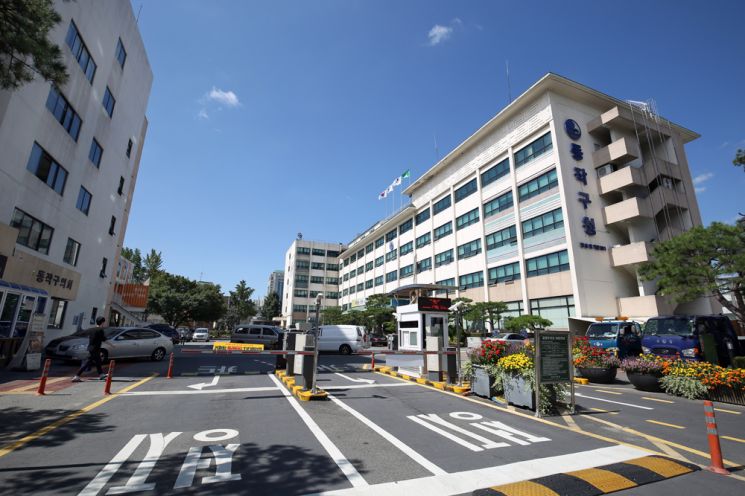
Dongjak-gu (Mayor Park Il-ha) announced on the 21st that the 2023 budget was confirmed at a record high of 800.1 billion KRW through the district council’s review.
This is an increase of 60.7 billion KRW (8.2% ↑) compared to this year’s main budget of 739.4 billion KRW, consisting of 788.1 billion KRW in the general account and 12 billion KRW in the special account.
The budget size by sector is ▲social welfare 432.6 billion KRW (54.1%) ▲land and regional development 13.6 billion KRW (1.7%) ▲transportation and environment 62.5 billion KRW (7.8%) ▲economy 6.8 billion KRW (0.9%) ▲education 14.1 billion KRW (1.8%) ▲culture and tourism 13.1 billion KRW (1.6%) ▲safety and health 29.8 billion KRW (3.7%).
The district plans to focus on seven strategic tasks supporting district goals to create ‘the best value city where residents take pride.’
The welfare sector, which provides support, accounts for 54.1% of the total budget at 432.6 billion KRW, an increase of 39.6 billion KRW from last year. Representative examples include ▲increased snacks for infants and toddlers in daycare centers (from 13,000 KRW/month to 20,000 KRW/month) with 1.47 billion KRW ▲pregnancy and childbirth support funds of 2.31 billion KRW ▲newly allocated 49 million KRW for launching a senior-exclusive call center, implementing tailored welfare policies for infants, children, youth, women, and seniors throughout their life cycles.
The land and regional development sector, aimed at creating a high-quality city, increased by 29% to 13.6 billion KRW. The district will introduce the first urban development management master plan policy among autonomous districts. To this end, 300 million KRW was newly allocated for a basic survey to activate Dongjak-gu-style redevelopment and reconstruction, and 500 million KRW for establishing a comprehensive development plan for Dongjak-gu.
In particular, the 8th elected term pledge project, the housing maintenance consulting of Korea Dongjak Corporation, is expected to shorten the permit period and accelerate project speed.
The transportation and environment sector, aimed at convenient living, increased by 3.9 billion KRW to 62.5 billion KRW. To improve the transportation system, new budgets were allocated for installing floor traffic lights in child protection zones (700 million KRW) and left-turn signals at the Shin Sangdo Elementary School intersection (140 million KRW). The district also plans to expand electric vehicle charging facilities and create noise-free streets to foster a pleasant environment.
The economic sector for regional economic revitalization increased by 60% to 6.8 billion KRW. The issuance scale of Dongjak Love gift certificates will be expanded to 60 billion KRW, and a 100 billion KRW scale permanent special loan guarantee system will be established.
The education sector budget for nurturing future talents is 14.1 billion KRW. It includes 1 billion KRW for relocation expenses to attract a high school in Heukseok-dong and plans to build educational infrastructure such as an English-specialized library. A total of 5.9 billion KRW will be invested in eco-friendly school meals and future education projects to prepare for future education foundations.
The rich history and culture sector increased by 2.3 billion KRW to 13.1 billion KRW, investing 360 million KRW for hosting representative festivals and 260 million KRW for expanding cultural infrastructure such as district-level art performance venues.
The solid safety sector budget totals 29.8 billion KRW, an increase of 3 billion KRW from this year. Especially, the budget for natural disaster preparedness such as floods and heavy snow and infectious disease response was expanded to 17.8 billion KRW. The district plans to build a dense safety net by installing security CCTV and introducing event detection functions for wandering and intrusion incidents.
Mayor Park Il-ha of Dongjak-gu emphasized, “We will thoroughly prepare in advance to ensure projects can be promptly promoted from the beginning of 2023 and focus on policy implementation to make Dongjak a city that residents take pride in.”
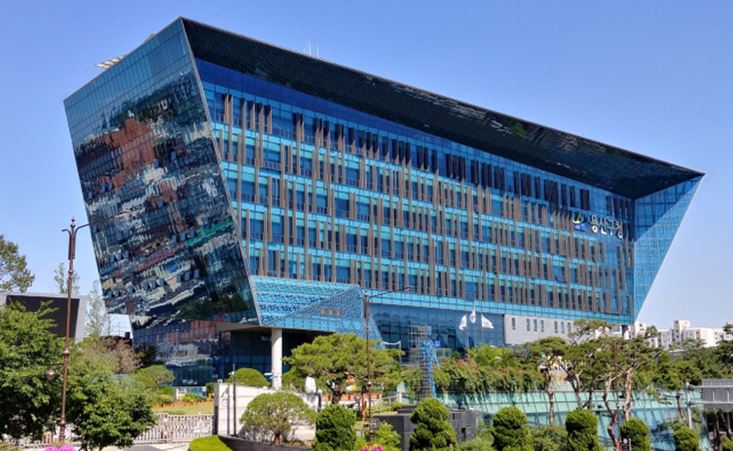
Yongsan-gu (Mayor Park Hee-young) confirmed the 2023 budget at 611.7 billion KRW (594 billion KRW in the general account and 17.7 billion KRW in the special account).
This is an increase of 6.22% (35.8 billion KRW) compared to the 2022 budget of 575.9 billion KRW.
By project structure, the budget is divided into ▲policy projects 464.6 billion KRW (455.8 billion KRW in the general account) ▲administrative operating expenses 140.2 billion KRW (135.7 billion KRW in the general account) ▲financial activities 6.9 billion KRW (2.5 billion KRW in the general account).
Policy projects (based on the general account) include ▲social welfare 259.3 billion KRW ▲environment 50.2 billion KRW ▲urban infrastructure management 27.6 billion KRW ▲general public administration 47.5 billion KRW ▲education, culture, and tourism 20.3 billion KRW ▲health 13.4 billion KRW ▲contingency funds 21.9 billion KRW.
The district allocated budgets related to residents’ daily safety, such as renovating aging welfare facilities and convenience facilities, comprehensive maintenance of child protection zones and pedestrian environments, and improving school routes. It also focused on social infrastructure maintenance such as upgrading aging sewer pipes. Additionally, personnel expenses for hiring disaster safety management staff and converting the Yongsan Integrated Control Center to direct management were reflected.
The welfare budget was set at 43.65%, an 11.09% increase from the previous year. Major policies include livelihood and housing benefits under the National Basic Livelihood Security, expanded basic pensions, support for the disabled and children and youth, and improved treatment for social welfare facility workers.
Looking at the main policy project budgets, the social welfare sector includes ▲928 billion KRW for basic pensions, senior jobs and social activity support, and youth center operations for seniors and youth ▲557 billion KRW for livelihood and housing benefits under basic livelihood security ▲762 billion KRW for infant care fee support, child allowance, home care allowance, and family and women’s sectors ▲295 billion KRW for support for vulnerable groups such as disability activity support benefits, disability pension benefits, and operation of comprehensive social welfare centers.
The environment and urban infrastructure management budget includes ▲35.2 billion KRW for waste disposal and related sectors ▲14.8 billion KRW for sewer and water quality sectors including aging sewer pipe maintenance ▲15 billion KRW for road facility maintenance ▲10.5 billion KRW for residential maintenance, maintenance of children’s and small parks, and regional and urban sectors.
The general public administration sector includes ▲44.2 billion KRW for maintenance of district and neighborhood offices and support for community leaders ▲1.7 billion KRW for legislative activities and election management ▲1.5 billion KRW for local administration and financial support for efficient property management.
The education, culture, and tourism sector includes ▲8.1 billion KRW for school education programs and environment improvement support, eco-friendly meals for early childhood and elementary and secondary education ▲4.9 billion KRW for cultural and arts sectors including operation of Yongsan History Museum and district libraries ▲6.3 billion KRW for sports sectors including operation of cultural and sports centers.
The health sector includes ▲12.8 billion KRW for health and medical sectors such as acute infectious disease management, national vaccination implementation, and operation of dementia relief centers ▲500 million KRW for food and drug safety sectors including operation of the Children’s Food Service Management Center.
The district established the ‘2023 Budget Planning’ in August last year and proceeded with procedures such as preparing revenue and expenditure budget requests, budget review and adjustment, and budget review by the district council (279th 2nd regular session).
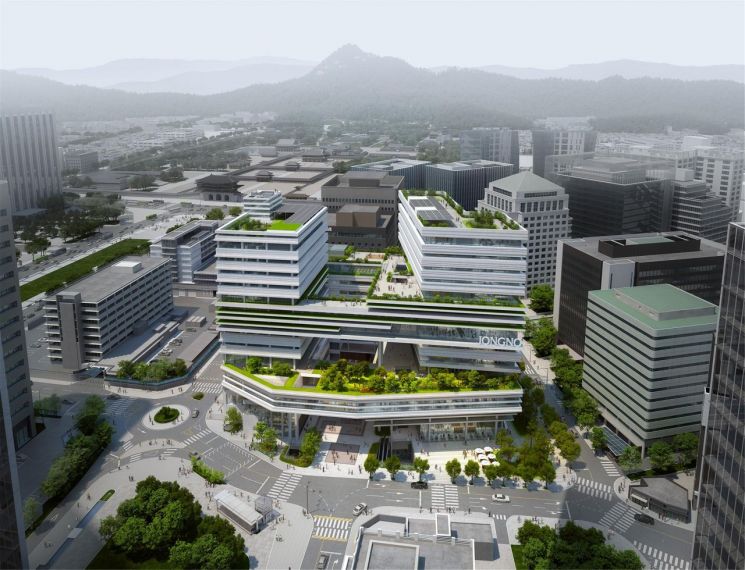
Jongno-gu (Mayor Jeong Moon-heon) confirmed the 2023 budget at 524.3 billion KRW through the resolution of the Jongno-gu Council on the 13th, an increase of 6.8%, about 33.5 billion KRW, compared to the previous year.
Next year’s budget will focus investments on realizing the 8th elected term’s vision of ‘Jongno as a cradle of future culture and the origin of the world’ by leading the post-COVID-19 era ‘cultural new deal,’ creating the new growth engine of Changsin Future City, improving educational conditions as a future education platform, securing new opportunities following the opening of the Blue House, and expanding smart administration that serves residents more closely.
In particular, 3.6 billion KRW was allocated for developing an audio guide program to promote the Jongno cultural tourism belt, building a district art museum, creating the metaverse ‘Park No-su Art Museum,’ operating the monthly Jongno Festival, and producing future culture videos. This aims to revitalize the cultural ecosystem and vigorously promote tangible and intangible assets within the district both domestically and internationally.
Additionally, 250 million KRW was allocated to support the development of a joint sewing brand to increase the added value of Jongno’s representative jewelry industry and Dongdaemun clothing industry.
To integrate and promote the redevelopment of the southern part of Changsin-dong, which had been pursued separately in six parts, 250 million KRW was allocated for the establishment of a revised maintenance plan for the southern part of Changsin-dong. This will contribute to creating ‘Changsin, a future-type smart green city.’ Along with the nearby Sewoon Shopping Center area, it is expected to redraw the Seoul skyline and contribute to establishing an urban landmark.
Efforts will also be made to improve educational conditions for Jongno, which is a basic element that enhances residents’ quality of life and attracts people back. The district allocated 800 million KRW for building a future education youth job platform and expanding school-academic cooperative mentoring to nurture talents with both intellect and character.
In line with the relocation and opening of the Blue House, 600 million KRW was allocated for establishing regulatory relaxation plans for Jongno-gu zoning districts, installing CCTV around the Blue House, and creating parking lots to restore residents’ rightful property rights and resolve long-standing inconveniences, leading the way in expanding resident convenience.
Efforts to expand empathetic administration through communication and strengthen environment, safety, and protection for vulnerable groups will continue.
A total of 5.1 billion KRW was allocated for developing the Jongno-gu smart city app that builds mobile services for civil complaints, safety, and welfare across the district, expanding digital education tailored for seniors, and operating small health centers in each area for customized health management.
Mayor Jeong Moon-heon said, “Despite difficult conditions such as economic recession, we allocated the budget focusing on projects deemed essential for the future of residents and Jongno. Through strategic financial management that cuts where necessary and spends properly, we will become a reliable support for residents.”
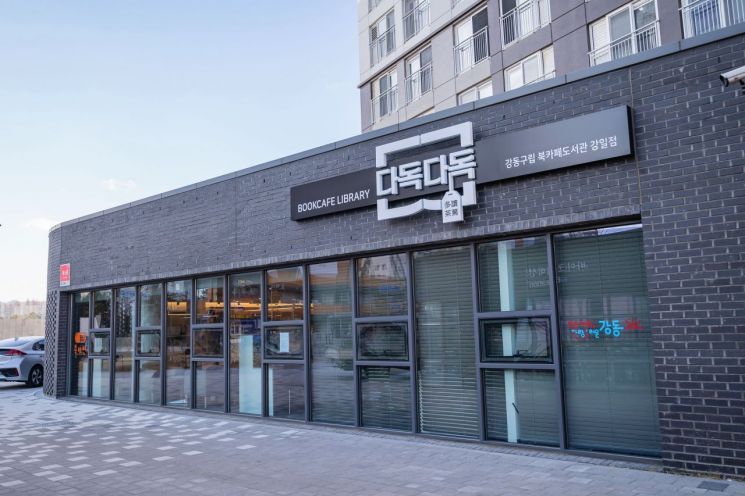
Gangdong-gu (Mayor Lee Soo-hee) opened the Gangdong-gu Public Book Cafe Library Dadokdadok Gangil Branch (110, Arisu-ro 93ga-gil, Gangdong-gu) on the 14th.
Dadokdadok (多讀茶篤) is a space where people can read books, drink tea, and relax comfortably. Especially, the ‘Dadokdadok Gangil Branch’ is located on a road adjacent to an apartment complex, offering high accessibility and easy use for anyone.
Additionally, Gangdong-gu directly operates the facility without separate rental costs through an agreement with SH Corporation and residents of Gangdong Riverst 4 Complex Apartments.
Main spaces include ‘Book Curation’ introducing new books, ‘Concentration Reading Room’ for book reading and contemplation, ‘Children’s Comic Cafe’ equipped with activity spaces and books for infants, and ‘Program Room’ for small lectures and resident participation programs. It also consists of a ‘Lounge’ where reading and communication coexist and a ‘Courtyard’ serving as a free resting place for users, expected to serve as a leisure and communication space for local residents.
Furthermore, the district plans to hire professional librarians to manage the reading rooms and operate various programs. About 3,600 books on various topics such as children, humanities, and general knowledge are stocked, with plans to increase to 5,000 books by the first half of next year.
Operating hours are Tuesday to Friday from 10 a.m. to 9 p.m., and Saturday and Sunday from 10 a.m. to 5 p.m. The facility is closed on Mondays and public holidays. For detailed information about operations, inquiries can be made to the Gangdong-gu Office’s Culture and Arts Division.
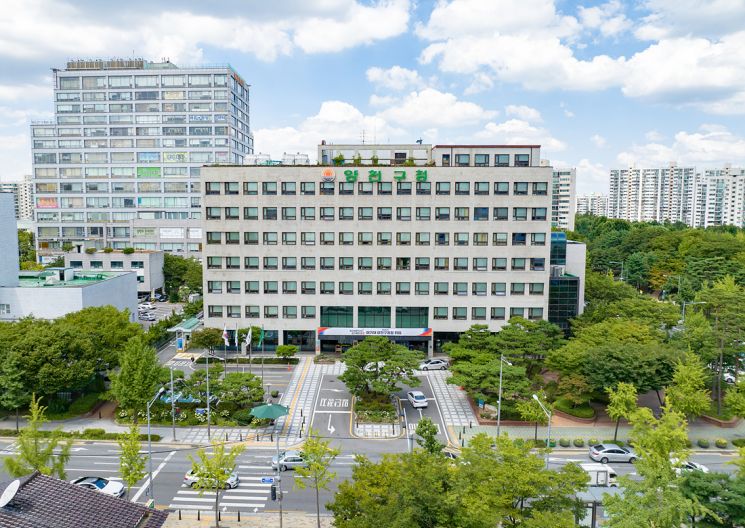
Yangcheon-gu (Mayor Lee Ki-jae) announced on the 16th that it conducted the 2022 Public Hygiene Service Evaluation to enhance awareness and quality of hygiene services at public hygiene establishments and finally selected 68 top establishments, which were published on the district office website.
The district conducted a full evaluation of 202 establishments in lodging, bathhouse, and laundry sectors within the district from September to October. Public officials and honorary public hygiene inspectors visited establishments in pairs to conduct detailed evaluations on 30 to 43 inspection items, including general business status, compliance with laws, and recommended practices.
Excluding seven establishments that were closed, 68 establishments, accounting for 34.87% of all evaluated establishments, received the highest ‘Green Grade’ rating.
Detailed results by sector are as follows: lodging industry had 9 establishments with Green Grade (top) and 6 with White Grade (general); bathhouses had 3 with Green Grade and 24 with White Grade; laundry had 56 with Green Grade, 19 with Yellow Grade (excellent), and 78 with White Grade.
The results of this public hygiene service evaluation are available for public viewing on the Yangcheon-gu Office and public health center websites.
Mayor Lee Ki-jae of Yangcheon-gu said, “The public hygiene service evaluation helps improve hygiene management levels at business sites and encourages voluntary service level enhancement, contributing to the welfare of residents. Since lodging, bathhouse, and laundry businesses are closely related to residents’ lives, we will manage them meticulously without neglect.”
© The Asia Business Daily(www.asiae.co.kr). All rights reserved.
![Clutching a Stolen Dior Bag, Saying "I Hate Being Poor but Real"... The Grotesque Con of a "Human Knockoff" [Slate]](https://cwcontent.asiae.co.kr/asiaresize/183/2026021902243444107_1771435474.jpg)


















