[Seoul District News] Yeongdeungpo-gu Converts Public Dongsim Senior Center into Zero Energy Building & Achieves Third Building Energy Efficiency Grade 1++ with 28.04% Energy Self-Sufficiency Following Shinwoo and Nambu Senior Centers Last Year & Continues Modernization of Aging Senior Facilities through Low-Carbon Building Conversion... Seocho-gu Sets First Budget of 853 Billion Won in 8th Mayoral Term & Increases by 59.2 Billion Won from Last Year, Allocating 2.1 Billion Won for Flood Control and Sewage Facility Maintenance and 1.6 Billion Won for Snow Removal to Enhance Resident Safety & Safe
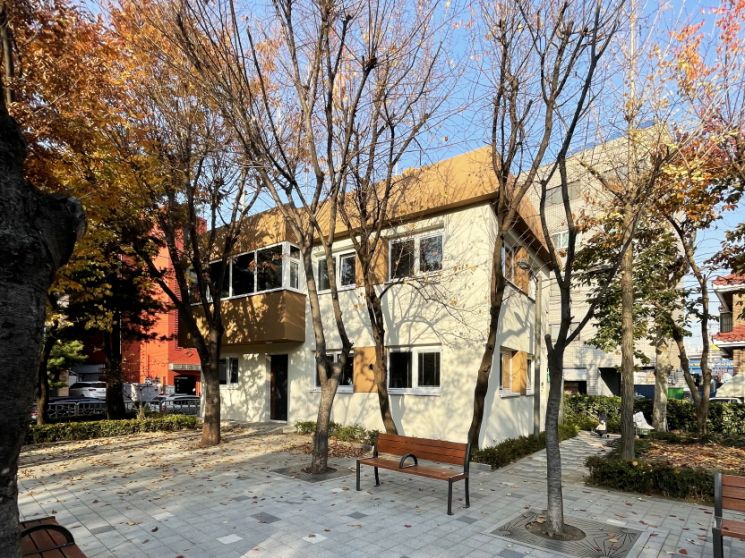
[Asia Economy Reporter Park Jong-il] As the importance of carbon neutrality is increasingly emphasized, the aging senior centers managed by Yeongdeungpo-gu (District Mayor Choi Ho-kwon) are being transformed into low-carbon buildings with enhanced energy performance.
The district recently announced the completion of the zero-energy building conversion construction of the Dongshim-gu Senior Center located in Daerim 3-dong and obtained the highest energy efficiency rating of 1++ for the building.
This is the third such project following the completion of the Shinwoo Senior Center and the Nambu Senior Center last year.
The senior center low-carbon building conversion project is a joint initiative by Seoul City and autonomous districts to improve energy efficiency in the building sector, which accounts for 69% of Seoul's greenhouse gas emissions. Depending on building conditions, the project is carried out either as a Zero Energy Building (ZEB) conversion or an energy efficiency improvement (BRP) project.
The Dongshim-gu Senior Center, which recently completed construction, was over 30 years old and had outdated facilities, resulting in high energy consumption for heating and cooling every year. Due to low energy efficiency, the electricity bills were substantial, and the building failed to adequately protect against the cold winter and hot summer.
Accordingly, the district selected this senior center as a zero-energy building conversion target this year and began construction in September.
With a total project cost of 330 million KRW, including city funds, vacuum insulation materials and passive windows were installed to enhance insulation and airtightness. Solar panels, high-efficiency heating and cooling systems, and air circulators were also installed to improve the building's energy efficiency. Additionally, balcony expansion and replacement of bathroom heating facilities improved convenience for the elderly users.
As a result, the energy efficiency rating rose three levels from grade 2 to 1++, and the energy self-sufficiency rate reached 28.04%, elevating the building to zero-energy building standards.
The district plans to complete interior work such as furniture arrangement and resume senior center operations within this year. Furthermore, the Shin-gil 5-dong 1st Senior Center has been designated as a project site for next year, with construction design plans underway.
Choi Ho-kwon, Mayor of Yeongdeungpo-gu, stated, “This project will reduce the building's energy demand and improve aging facilities, achieving both greenhouse gas reduction and enhanced user convenience. We will continue to improve senior center environments to support healthy and vibrant lives for the elderly.”
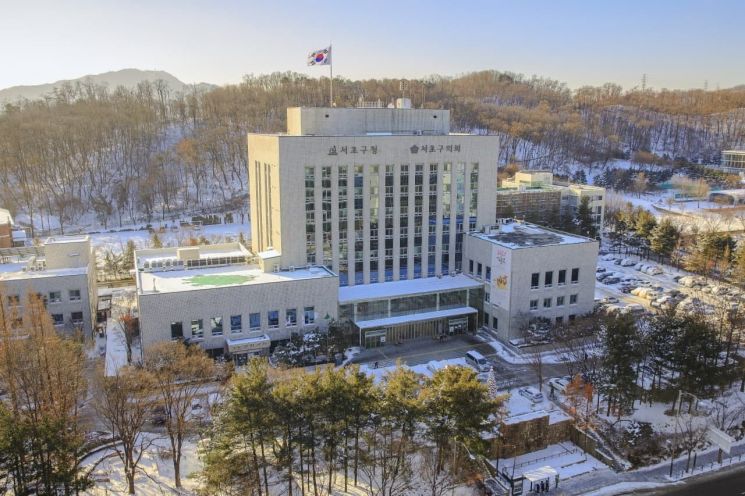
Seocho-gu (District Mayor Jeon Seong-su) has formulated its first budget for the 8th elected term at 853 billion KRW, approved by the Seocho District Council.
This represents an increase of 59.2 billion KRW (7.5%) compared to this year. The general account is 801.5 billion KRW, and the special account is 51.5 billion KRW.
This budget was prepared to realize “Seocho where today is happy and tomorrow is anticipated,” focusing on ▲ maintaining safe daily life ▲ revitalizing the local economy ▲ nurturing young talent ▲ accompanying the vulnerable ▲ and developing urban infrastructure despite difficult financial conditions.
‘Safe City Seocho’ where residents can live more securely
First, the district significantly increased funding for flood control measures and sewage facility maintenance by 2.1 billion KRW and for snow removal measures by 1.6 billion KRW to strengthen safety accident prevention. This reflects the district's commitment to expanding safety infrastructure directly related to residents' lives and prioritizing proactive disaster response. Accordingly, the budget includes 700 million KRW for flood control operations, 2.4 billion KRW for sewage dredging and cleaning, 4.7 billion KRW for sewage facility maintenance, and 2 billion KRW for new rainwater inlets and cleaning works. Additionally, 1.3 billion KRW is invested in building a digital twin-based safety management system for aging risk facilities to enable efficient and predictable safety management for multi-use facilities during disasters.
‘Livelihood City Seocho’ fostering small business owners and revitalizing the local economy
The district allocated a total of 13.7 billion KRW to support small and medium-sized business owners. This includes 2 billion KRW for ultra-fast loans for self-employed individuals and 4 billion KRW for contributions to the SME development fund to continue financial support policies for small business owners. The Yangjaecheon Local Brand Street project (1 billion KRW), selected as a Seoul local brand commercial district, aims to usher in a golden age for neighborhood markets.
‘Youth City Seocho’ actively supporting young talent development
The district promotes locally driven job creation and excellent region-tailored youth talent development. To this end, a 1 billion KRW budget is allocated for youth capability development programs such as Seocho AI College, 4th Industrial Revolution software courses, and the Seocho Blueprint Academy, providing practical employment support programs for young people.
‘Warm City Seocho’ accompanying the vulnerable including children, youth, disabled, and elderly
Comprehensive support measures are prepared for marginalized and vulnerable neighbors to practice accompaniment. This includes operating the 1:1 learning mentoring program “Seoripul Saem” (1.4 billion KRW) to reduce educational gaps among children, meal support for children at risk of food insecurity (2.2 billion KRW), establishing a youth center by developing a youth policy master plan and comprehensive portal. Additionally, the Yangjae Maternal and Child Health Center will open next year to provide one-stop services from pregnancy to childcare. The newly launched “Metabolic Plus 20” project expands metabolic syndrome management targets from ages 64 to 84 to support active seniors. Furthermore, 5 billion KRW is invested in creating an accessible forest trail in Umyeonsan Mountain to allow walking-vulnerable groups such as the elderly and disabled to enjoy the benefits of the forest.
‘Future City Seocho’ developing living SOC and urban infrastructure
The district expands long-term living SOC and urban infrastructure development for the future. The Gyeongbu Expressway elevation project is promoted in cooperation with Seoul City, with 700 million KRW allocated for plans to utilize the upper and surrounding spaces and for establishing the Seocho District Urban Development Master Plan. Additionally, the Yangjae area will be developed into the “Yangjae AI Future Convergence Zone,” where companies and young talent grow together, by designating it as an AI special zone and ICT specific development promotion district.
Moreover, in line with its reputation as a cultural and artistic city, Seocho will create a “Cultural Street” along Seoripul Instrument Street and Banpo Boulevard, and operate a digital library at the newly opening Bangbae Forest Library next year.
Jeon Seong-su, Mayor of Seocho-gu, said, “Next year’s budget was prepared to reduce residents’ inconveniences, strengthen safety, and invigorate the local economy. We will ensure that the precious tax resources of residents are not wasted but used appropriately and effectively.”
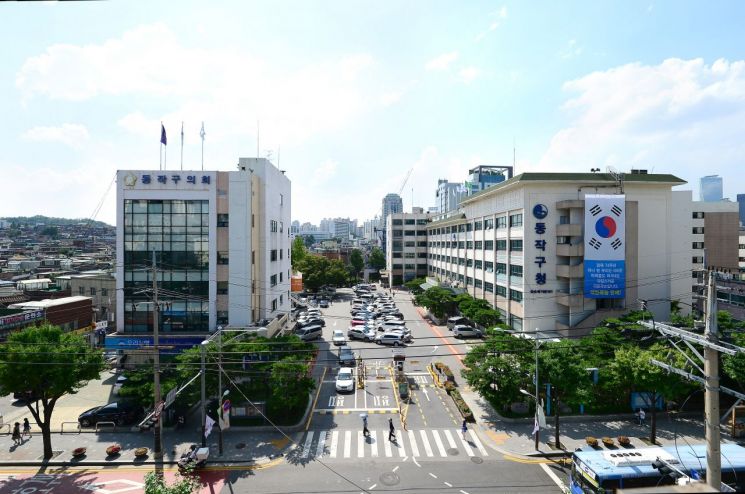
Dongjak-gu (District Mayor Park Il-ha) announced that it has established the virtual and reality convergence space “Metaverse Dongjak Historical Tour” centered around Yongyangbongjeojeong and will begin operation from the 19th.
“Metaverse Dongjak Historical Tour” consists of content including ▲ spatial experience ▲ historical education ▲ and avatar-based interaction focused on Yongyangbongjeojeong.
The historical and cultural space Yongyangbongjeojeong, along with the observatory, resting area, and pond located in Yongyangbongjeojeong Park, a representative scenic spot in Seoul, were created in 360VR to make the virtual world feel realistic.
Baedari and Hangang Bridge are placed together to allow simultaneous experience of the Joseon Dynasty and modern times, and users’ avatars can engage in conversations with historical figures from King Jeongjo to Yu Gil-jun, making it easier to approach historical facts of that era.
For user enjoyment, fishing games in the park’s pond and experiences of the 12 zodiac constellations through a virtual observatory are provided. Additionally, stamps are collected by playing fishing games or visiting major attractions such as the observatory and the lookout, and upon completion, users receive a certificate.
Anyone can access the “Dongjak Historical Tour” site via Chrome or Edge browsers without installing any app or signing up, making it available to all residents.
In the future, the district plans to implement major sites such as Sayuksinmyo Shrine and the National Cemetery in the metaverse and operate English and Chinese versions for foreigners.
Park Il-ha, Mayor of Dongjak-gu, said, “Metaverse, a core technology of the 4th industrial revolution, is an optimal tool for education and promotion,” and added, “We will actively utilize it for district promotion and children’s history education going forward.”
© The Asia Business Daily(www.asiae.co.kr). All rights reserved.
![Clutching a Stolen Dior Bag, Saying "I Hate Being Poor but Real"... The Grotesque Con of a "Human Knockoff" [Slate]](https://cwcontent.asiae.co.kr/asiaresize/183/2026021902243444107_1771435474.jpg)


















