[Asia Economy Reporter Byeon Seon-jin] The National Infectious Disease Crisis Response Advisory Committee has urged the government to make all-out efforts to increase the vaccination rate to form a certain level of immunity in relation to the 7th wave of COVID-19 during the winter season. It also recommended establishing a research and development foundation for infectious diseases, including long-term vaccine and therapeutic development and training of experts, to respond quickly and effectively to future new infectious disease outbreaks.
The Korea Disease Control and Prevention Agency (KDCA) announced on the 5th that the advisory committee delivered a recommendation containing these points to the government after holding the 9th National Infectious Disease Crisis Response Advisory Meeting on the 24th of last month. The meeting included 11 members of the National Infectious Disease Crisis Response Advisory Committee, including Chairman Jeong Gi-seok, as well as representatives from the Ministry of Health and Welfare, the Central Disease Control Headquarters, the COVID-19 Vaccination Response Promotion Team, and the National Institute of Health.
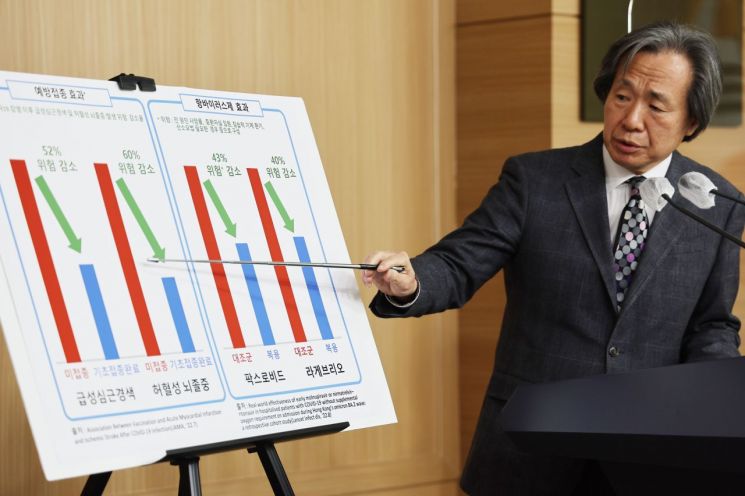
Chairman Jeong Gi-seok said, "Due to seasonal factors and waning immunity over time, the increase in the number of severe COVID-19 patients remains ongoing," adding, "We must carefully analyze the epidemic situation and maintain thorough preparedness and response measures for quarantine and medical care." He emphasized, "Vaccination is more important than ever, and all-government, all-out efforts must be made to increase vaccination among vulnerable groups at high risk of severe illness and death."
The committee stated in the recommendation, "It is important to form a certain level of immunity in a timely manner during an infectious disease outbreak. Especially, vaccination should be focused on seniors aged 60 and above who are at high risk of severe illness and death, high-risk groups, and residents, users, and workers in infection-vulnerable facilities. Therefore, plans that resonate with the public should be established and the situation should be regularly monitored."
Additionally, the committee said, "Vaccines and therapeutics, the most important response tools during infectious disease crises, should be intensively developed through public-private cooperation by selecting core technologies. Support for clinical research, which requires large-scale budgets, should be expanded, and related infrastructure should be enhanced," emphasizing the need to establish a research and development system for infectious disease response.
They also called for establishing a system to evaluate the social and economic impacts caused by infectious disease crises and quarantine policies and to develop crisis response strategies based on these evaluations. Furthermore, they requested all-government-level interest, cooperation, and research promotion for developing socioeconomic indicators using big data and related studies. The advisory committee also requested the government to prepare promptly and proactively regarding this recommendation.
Chairman Jeong said, "To wisely overcome the current epidemic situation and to ensure that future new infectious diseases do not significantly affect the lives of the people, the committee will think more deeply and actively propose recommendations to the government."
© The Asia Business Daily(www.asiae.co.kr). All rights reserved.
![Clutching a Stolen Dior Bag, Saying "I Hate Being Poor but Real"... The Grotesque Con of a "Human Knockoff" [Slate]](https://cwcontent.asiae.co.kr/asiaresize/183/2026021902243444107_1771435474.jpg)















