[Seoul District News] Yeongdeungpo-gu Partners with Four Certified Cultural Cities and Korea Railroad Corporation to Promote Cultural Cooperation Projects: Metropolitan Subway Announcements, Citizen Participation Program by Writer Kim Hyo-chan & Building Consensus on 'Line 1 Cultural Companionship', Creating Unique Cultural City Brands... Yeongdeungpo-gu Sets 2024 Budget at 829.3 Billion KRW, Up 5.7% from This Year... Nowon-gu Sets 2024 Budget at 1.2278 Trillion KRW... Geumcheon-gu Sets 2023 Budget at 710.5 Billion KRW... Gangbuk-gu 2023 Budget...
[Asia Economy Reporter Park Jong-il] Yeongdeungpo-gu (Mayor Choi Ho-kwon) is set to actively promote a distinctive cultural city project.
The four legally designated cultural cities located along Line 1 (cultural foundations in Bupyeong, Bucheon, Yeongdeungpo, and Suwon) have signed an MOU and, in collaboration with Korea Railroad Corporation (KORAIL), are carrying out the ‘2022 Culture Line 1 Project’ to connect Line 1 with culture and cultural cities.
The ‘Culture Line 1’ project is a cultural cooperation initiative jointly promoted by the four cities?Yeongdeungpo, Bucheon, Bupyeong, and Suwon. Each city, with its unique characteristics, collaborates based on their commonality as legally designated cultural cities to recreate Line 1 as a new cultural space that transcends the historical sharing of the industrialization era of the 1970s and 1980s.
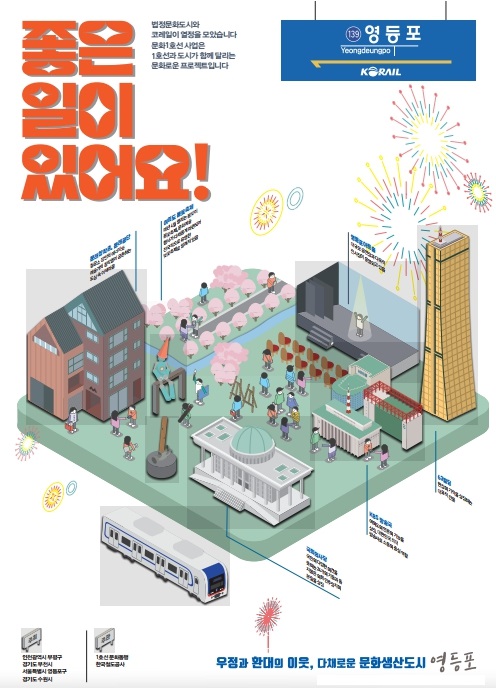
Under ‘Culture Line 1,’ various cultural projects are underway with the slogan ‘Good Things Happen’ to improve the negative image of Line 1 and transform it into a line people want to ride by offering distinctive experiences.
Yeongdeungpo-gu is actively participating in the core project of ‘Culture Line 1,’ which involves promotional announcements on metropolitan subway platforms for each cultural city. Professional copywriter Jeong Cheol participated in the production to enhance the quality of the work, and KBS weathercaster Lee Seol-ah will handle the recording to deliver bright energy.
The broadcast message was finalized as “In the cultural city of Yeongdeungpo, you are also a cultural citizen. Yeongdeungpo creates culture 365 days a year,” and from November 18 to December 31, voice announcements will be broadcast on metropolitan subways operated by KORAIL and in the waiting rooms of major stations.
Additionally, promotional materials using infographics reflecting the characteristics of the cities will be distributed to further strengthen cultural city promotion. These materials visually convey cultural features at a glance and provide information on various cultural spaces and events.
Moreover, a citizen participation program titled ‘Drawing the Scenery of Subway Line 1’ will be operated using subway interiors, exteriors, and platforms. This cultural program involves sketching happy memories while riding the subway, with drawing artist Kim Hyo-chan conducting classes in classrooms and on the subway. The drawing works will later be exhibited online as media exhibitions.
Meanwhile, the cultural foundations of the four legally designated cultural cities lead the ‘Culture Line 1’ project under the name ‘Line 1 Cultural Companionship,’ symbolizing the creation of cities walking together with citizens through culture. Starting with the joint campaign for ‘Culture Line 1,’ they plan to explore continuous project linkages for the healthy mobility rights of local residents in the long term.
Choi Ho-kwon, Mayor of Yeongdeungpo-gu, said, “We ask for your great interest in the Culture Line 1 project, which is a jointly planned project. We will strive to create a distinctive cultural city brand by sharing Yeongdeungpo’s diverse culture and history with many people.”
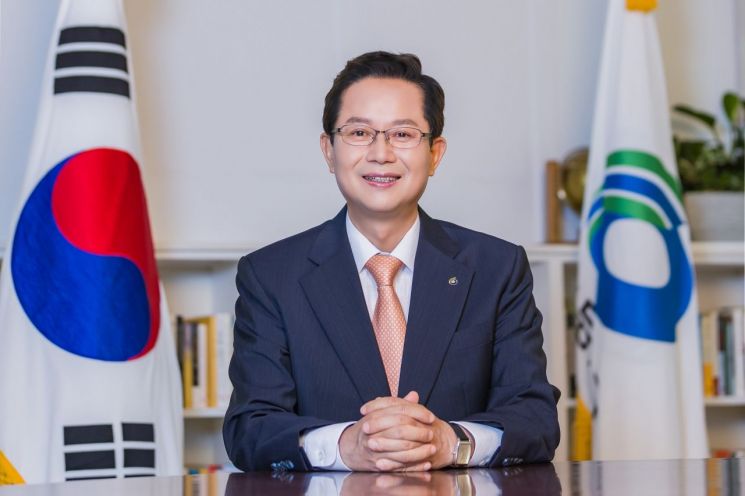
Yeongdeungpo-gu (Mayor Choi Ho-kwon) announced that it has prepared the 2023 revenue and expenditure budget at 829.3 billion KRW and submitted it to the district council.
This represents an increase of 44.5 billion KRW (5.7%) compared to 2022, with the welfare and health sector budget increasing by 43.1 billion KRW to 458.9 billion KRW, accounting for the largest share.
The next year’s budget is the first main budget to realize the district administration goals of the 8th elected term ‘Hope, Happiness, Future City Yeongdeungpo,’ focusing on ▲strengthening the safety net for socially vulnerable groups ▲building safe and livable urban infrastructure where everyone is happy ▲creating a future-leading science and cultural city.
First, welfare support for vulnerable groups, who are experiencing a more difficult time than ever due to high inflation and high interest rates, will be strengthened. A budget of 192 billion KRW is allocated for livelihood benefits and basic pensions to stabilize the livelihoods of low-income groups, and 30.8 billion KRW is allocated to support socially marginalized vulnerable groups such as the disabled, single-person households, and multicultural families, leading the creation of a warm society with sharing and consideration.
At the same time, 3.7 billion KRW will be invested to support small business owners and traditional markets, which are severely affected by the recession, through customized support such as loans and management consulting, and a 50 billion KRW local love gift certificate will be issued to inject warmth into the local economy.
Furthermore, to protect neighbors from disasters increasing due to climate change and to create a happy urban environment for all, an investment of 31.3 billion KRW in safety and infrastructure will be made.
To prepare for sudden heavy rain, 6.8 billion KRW is prioritized for flood prevention projects such as sediment removal from rainwater inlets and flood damage surveys, and new safety insurance projects for residents, including insurance for electric wheelchairs for the disabled and bicycle insurance, will be launched to eliminate safety blind spots.
Additionally, 1.2 billion KRW will be invested to establish a sustainable growth foundation and enhance urban competitiveness by formulating mid- to long-term future strategies such as a comprehensive development master plan for the Gyeongbu Line area and development plans for semi-industrial areas, as well as improving future residential spaces like Moa Town.
186 billion KRW will be invested in creating living cultural infrastructure closely related to residents’ lives, such as the ongoing construction of the Singil Cultural Sports Library and the Yeongdeungpo-dong public complex facility, contributing to improving residents’ quality of life and happiness index.
Along with this, 10.8 billion KRW has been allocated for projects to create a future-leading science and cultural city in line with rapidly changing social environments.
1.4 billion KRW is allocated to create a science education ecosystem, 2.2 billion KRW to support school-specific specialized education such as software education, and 1.1 billion KRW to promote employment-linked projects such as 4th industrial revolution customized education and youth internships, fostering convergent talents who will lead the future and restoring the dream ladder for the younger generation.
Efforts to enhance the status of Yeongdeungpo, the only cultural city in Seoul, and strengthen its inherent cultural capabilities will continue. 3.1 billion KRW is allocated to promote local culture and arts projects so that residents can enjoy diverse cultures in their daily lives, which were contracted due to COVID-19.
Also, 2.3 billion KRW is reflected to expand the base of living sports by improving sports facility environments and operating living sports programs, supporting the creation of a prosperous Yeongdeungpo tomorrow.
The 2023 budget proposal will be finalized after review by the Yeongdeungpo District Council from December 6 to 20 for a total of 15 days and approval at the plenary session on December 21.
Choi Ho-kwon, Mayor of Yeongdeungpo-gu, said, “Despite difficult financial conditions due to the economic downturn, we prepared the budget focusing on projects that must be promoted for the future of residents and Yeongdeungpo while meeting various financial demands such as support for the vulnerable. We will do our best to be a strong support for residents’ lives through strategic financial management that cuts where necessary and spends properly.”
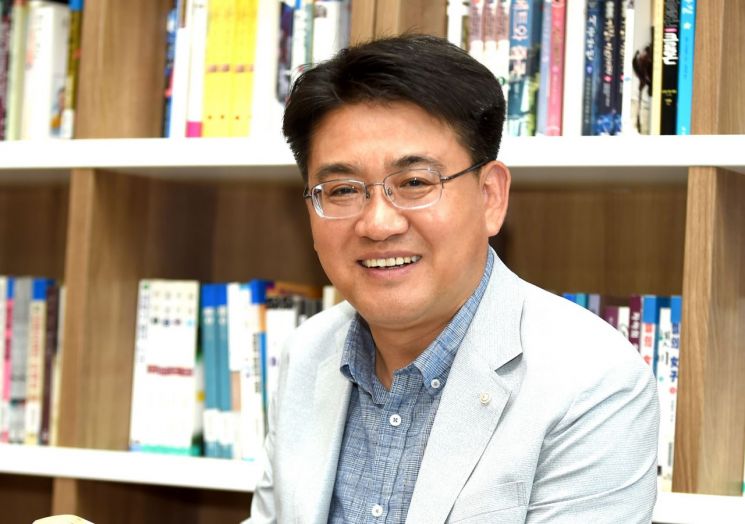
Nowon-gu (Mayor Oh Seung-rok) announced that it has prepared a total budget of 1.2278 trillion KRW for 2023.
Next year’s budget consists of 1.2069 trillion KRW in general accounts and 20.9 billion KRW in special accounts, with the general account increasing by 79.8 billion KRW (7.09%) and the special account by 3.3 billion KRW (19.27%) compared to this year.
Among the general account budget, the social welfare sector accounts for the largest share at 61.9%. It increased by 65.3 billion KRW from 2022 to 747.7 billion KRW, with 289.4 billion KRW allocated to the elderly and youth sectors, 170 billion KRW to basic living security, and 167.9 billion KRW to childcare, family, and women sectors.
Due to the district’s characteristics of having a large welfare target population, the social welfare sector budget accounts for the largest share every year. The Nowon-style care system will be further strengthened by discovering welfare blind spots through operations such as the Nowon Toktoktok Care Team and the Together Care Project. Additionally, the senior citizens’ hall, which will serve as a hub for enhancing elderly leisure welfare, is scheduled to be established within the Nowon Citizens’ Hall next year.
The district actively responds to the difficulties of youth (ages 19?39), who make up 27.5% of the total population. Centered on the newly established ‘Youth Policy Division’ next year, it plans to expand youth job policies by building a job center and providing 100,000 KRW annually in cultural living expenses to 5,000 unemployed youths in their 20s.
Furthermore, to make Nowon a better place to raise children, the district will expand infrastructure. It will invest 1.7 billion KRW to create ‘Jump,’ a public indoor sports experience facility for healthy play culture for children and adolescents, aiming for completion in 2025.
The environment sector will receive 76.2 billion KRW, a 19.4% increase from this year. To actively respond to climate change aiming for a carbon-neutral society, the ‘Carbon Neutral Promotion Team’ was newly established, and related project costs were budgeted. Plans also include creating green living spaces where people and nature coexist, such as Suraksan Natural Recreation Forest and Choansan Circular Trail.
Additionally, 45.1 billion KRW is allocated to the culture and leisure sector, which had a long hiatus due to COVID-19. Budgets are allocated for operating festivals such as the Nowon Mask Festival, Moonlight Walk, Bulamsan Azalea Festival, and Craft Beer Festival to establish them as representative festivals of Nowon. Cultural facility expansions include the construction of the Gyeongchun Line Forest Gallery and the establishment of the Gongneung-dong Community Sports Center.
312 billion KRW is allocated for high-quality health care services, including infectious disease prevention against COVID-19 and shingles vaccination for seniors aged 75 and older. To revitalize the local and livelihood economy, 30 billion KRW will be used to issue Nowon Love Gift Certificates, and 5.2 billion KRW will be invested in modernizing traditional market facilities.
The general public administration and safety sector has a budget of 49.4 billion KRW, including disaster management fund transfers and facility condition surveys to prevent major accidents. Emphasis was also placed on strengthening the operation of the major accident monitoring team.
This budget proposal will be finalized after passing through the standing committee and the special budget and accounts committee and will be approved at the plenary session next month.
Mayor Oh Seung-rok said, “For Nowon’s new leap forward, we excluded repetitive budget preparation and focused on efficiently allocating limited resources. We will do our best to create a happy Nowon where no precious tax is wasted from the residents’ perspective.”
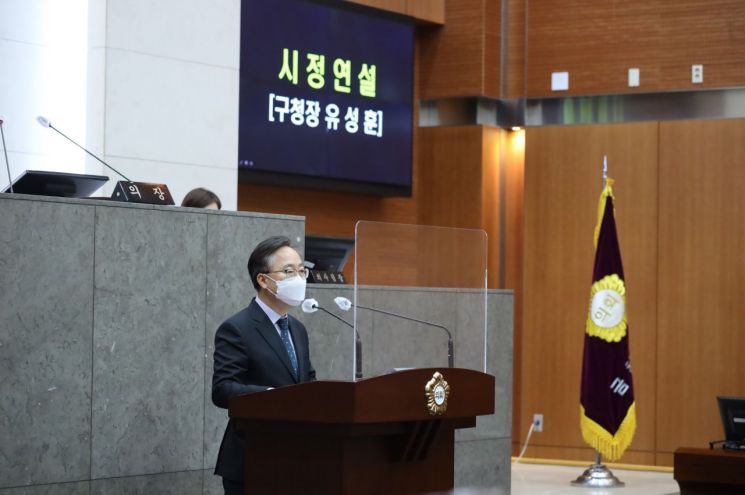
Geumcheon-gu (Mayor Yoo Sung-hoon) has prepared a 2023 budget proposal of 710.5 billion KRW.
This budget proposal is based on sound and strategic financial management to fully support the policies of the 8th elected term and is designed to expand the social welfare safety net.
By sector, the social welfare sector increased by 31.7 billion KRW (9.95%) from this year to 350.2 billion KRW, accounting for 50.95% of the total budget, followed by general public administration at 37.7 billion KRW. In particular, the education sector allocated 35.9 billion KRW, an increase of 17.2 billion KRW (91.65%) compared to the previous year, to build educational infrastructure and prepare for future-oriented education.
Changes and Leap Forward in Geumcheon Felt by Residents, Start of Key Projects of the 8th Elected Term
First, financial support will be provided to ensure that the policies of the 8th elected term, which have begun in earnest, can be realized.
▲ Construction of Geumcheon Education Complex Center (tentative name) (22.3 billion KRW) ▲ Expansion of public parking lots (15.6 billion KRW) ▲ Creation of Geumbit Park Open Plaza (4.5 billion KRW) ▲ Support for redevelopment including redevelopment maintenance plan establishment (1.2 billion KRW) ▲ Construction of Geumcheon Youth Culture House (1 billion KRW) ▲ Railway traffic improvement services and maintenance including extension of Geumgwang Line and Incheon Line 2 (100 million KRW), etc., to improve Geumcheon’s transportation, residential, and educational infrastructure and various environmental improvements.
Promotion of customized welfare enhancement for vulnerable groups who have become more difficult after COVID-19
Geumcheon-gu plans to go beyond welfare projects led by the national and Seoul city governments to implement Geumcheon-style welfare projects that residents can directly feel, aiming to improve welfare benefit policies above the average of autonomous districts.
▲ Support for Geumcheon-style health checkup expenses for seniors aged 65 and over (50 million KRW) ▲ Expansion of activity support for severely disabled and developmentally disabled persons (100 million KRW) ▲ Active increase of welfare encouragement funds for recipient households, low-income single-parent families, and disabled persons (1 billion KRW) ▲ Expansion of support for those who sacrificed for the country (800 million KRW), etc., with budgets allocated to enhance customized welfare for each demand group.
Also, preparations for establishing a welfare foundation to expand active and systematic welfare projects have begun. A budget of 100 million KRW was allocated for feasibility studies and expert consultations for the establishment of the welfare foundation.
Creating a Safe Environment City Geumcheon Where All Families Can Live Happily and Safely
Efforts will be made to expand family care and green city initiatives and create a safe Geumcheon where all families can live with peace of mind.
▲ Construction of family centers (1.4 billion KRW) ▲ Expansion of public daycare centers (1.5 billion KRW) ▲ Expansion of Kiwoom centers (800 million KRW) ▲ Creation of pet welfare centers (500 million KRW), etc., to broaden the scope of families and improve the quality of childcare and care.
As residents’ expectations for safety continue to rise, special attention was paid to safety-related budgets such as ▲ Enrollment in resident safety insurance and bicycle insurance (200 million KRW) ▲ Creation of children’s traffic safety experience centers (700 million KRW) ▲ Residential area adjacent terrain drainage stabilization projects to prevent landslides (1 billion KRW) ▲ Dredging of sewage and maintenance of sewage facilities (1.9 billion KRW).
Furthermore, to allow children to play in a green city, budgets were allocated for ▲ Creation of Geumbit Park Open Plaza (4.5 billion KRW) ▲ Making Geumcheon Waterfall Park a landmark (5 billion KRW) ▲ Reconstruction of children’s parks (1.5 billion KRW) ▲ Creation of waterfront-friendly spaces along Anyangcheon Stream (400 million KRW) ▲ Ecological parkification of Siheung Valley (200 million KRW), and a budget of 200 million KRW was allocated for establishing a basic plan for a green city vision.
Yoo Sung-hoon, Mayor of Geumcheon-gu, said, “Although these are difficult and uncertain times, in 2023, starting with the key projects of the 8th elected term, we will do our utmost to ensure residents feel Geumcheon’s leap and change and live safe and happy daily lives.”
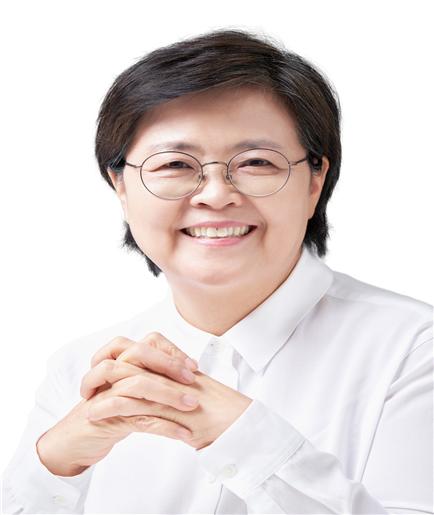
Gangbuk-gu (Mayor Lee Soon-hee) has prepared a 2023 budget proposal of 889.3 billion KRW, an increase of 61.8 billion KRW (7.5%) from this year.
The district focused on closely related resident life areas and laying the foundation for key district projects in preparing the budget. It plans to concentrate on welfare, safety, local economy, and smooth promotion of key projects of the 8th elected term such as redevelopment and reconstruction support and the promotion of the new Gangbuk subway line.
The 2023 budget proposal consists of 878.5 billion KRW in general accounts and 10.8 billion KRW in special accounts. Among these, the social welfare budget is about 475.9 billion KRW, accounting for the largest share, 54% of the total budget. Looking at the budget by sector, 121.56 billion KRW was allocated to general public administration.
Main projects include ▲ Transfer of funds for public and official building construction (77 billion KRW) ▲ Building operation (3.5 billion KRW) ▲ Support for revitalizing residents’ autonomy councils (1.01 billion KRW) ▲ Efficient operation of U-Gangbuk-gu integrated control center (2.06 billion KRW), etc.
The public order and safety sector will receive 3.89 billion KRW, including ▲ Maintenance of river facilities (850 million KRW) ▲ Disaster preparedness and safety management projects (300 million KRW) ▲ Transfer of disaster management funds (840 million KRW) ▲ Lighting environment improvement for the Uicheon access road (150 million KRW) ▲ Odor reduction and waterfront park creation around Ssanghan Bridge on Uicheon (230 million KRW), etc.
The education sector has a total of 9.12 billion KRW, supporting projects such as ▲ Educational expense subsidy projects (3 billion KRW) ▲ Eco-friendly school meal support (4 billion KRW) ▲ Promotion of innovative education districts (500 million KRW).
The culture and tourism sector has 14.14 billion KRW allocated for projects including ▲ Making Uicheon Cultural and Arts Street a landmark (340 million KRW) ▲ Operation of Gangbuk Cultural Foundation (2.04 billion KRW) ▲ Operation of Bukhansan International Climbing Center (540 million KRW) ▲ Operation of Gangbuk Comprehensive Sports Center (890 million KRW) ▲ Support for entrusted operation of district libraries (1.45 billion KRW).
The environment sector budget is 49.44 billion KRW, including ▲ Treatment of household and food waste and recyclables (24.7 billion KRW) ▲ Creation of Gonggam Children’s Playground (750 million KRW) ▲ Decision and creation of Uiryeong Park (1.11 billion KRW) ▲ Maintenance of sewage facilities (2.37 billion KRW) ▲ Repair of aged sewage pipelines (2.92 billion KRW), etc.
The social welfare sector, which accounts for the highest share, has 475.9 billion KRW allocated for projects such as ▲ National basic living security support (110.9 billion KRW) ▲ Disabled activity support projects (22.5 billion KRW) ▲ Creation and operation of Career Plus Center (550 million KRW) ▲ Support for infant childcare fees (22.8 billion KRW) ▲ Basic pension payments (180.08 billion KRW) ▲ Creation of Uidong Youth Culture Center (500 million KRW).
Additionally, the health sector has 17.07 billion KRW, agriculture, forestry, marine, and fisheries sector 360 million KRW, industry, small and medium enterprises, and energy sector 2.79 billion KRW, transportation and logistics sector 14.76 billion KRW, and land and regional development sector 5.5 billion KRW allocated in the 2023 budget proposal. The final budget will be confirmed after the plenary session of the Gangbuk District Council on December 16.
Mayor Lee Soon-hee of Gangbuk-gu said, “2023 will be a ‘year of full-fledged leap’ toward a new Gangbuk-gu and a year when residents can ‘feel the beginning of change’ in their daily lives. In particular, to realize the vision of ‘Gangbuk that empowers my life,’ we will speedily promote urgent issues and achieve sustainable growth through inclusion and consideration throughout society.”
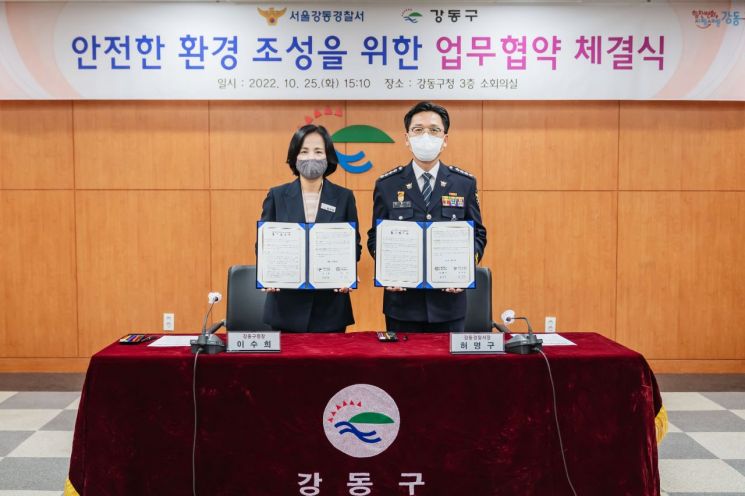
Recently, a complainant A repeatedly visited the Parking Administration Office of Gangdong-gu Office, expressing dissatisfaction with parking enforcement, verbally abusing and threatening staff, and even attempting to assault an employee, prompting police intervention.
Another complainant B, dissatisfied with compensation for environmental maintenance projects, caused a disturbance at the district office, assaulted staff, and obstructed work, resulting in a prison sentence. Due to the increasing number of such malicious complainants, the staff in charge suffer severe mental distress such as depression and stress.
These malicious complaints have frequently caused emergencies within the office building, causing great anxiety among general visitors and employees and hindering smooth work processing.
In response, Gangdong-gu (Mayor Lee Soo-hee) announced on the 21st that it will actively establish various safety systems to protect employees from assault, verbal abuse, and threats by complainants and create a work environment where staff can work with principles and conviction, while also taking legal action at the district level.
So far, the district has made various efforts such as installing emergency bells in complaint offices, establishing an automatic recording system for administrative calls, creating an integrated window for grievance complaints, enacting ordinances to protect and support complaint-handling officials, and signing a memorandum of understanding with Gangdong Police Station to build a cooperative system. In addition, the district will apply a zero-tolerance policy to illegal acts by malicious complainants and proceed with firm legal measures. Previously, lawsuits had to be conducted directly by the victimized officials, but now the district office’s administrative support division will form an emergency complaint response team for integrated response.
Recently, an ‘AI voice recognition device’ that automatically reports to the 112 emergency center upon recognizing specific keywords such as “Ah!” or “Help me!” has been installed and is being piloted in six community centers. After evaluating its effectiveness, it will be expanded to all community centers.
Furthermore, psychological counseling and medical expenses are provided to victimized officials, and complaint department staff are equipped with wearable cameras (necklace-type cameras), which can be used as evidence if harmed and are expected to deter threatening behavior by malicious complainants.
© The Asia Business Daily(www.asiae.co.kr). All rights reserved.
![Clutching a Stolen Dior Bag, Saying "I Hate Being Poor but Real"... The Grotesque Con of a "Human Knockoff" [Slate]](https://cwcontent.asiae.co.kr/asiaresize/183/2026021902243444107_1771435474.jpg)

















