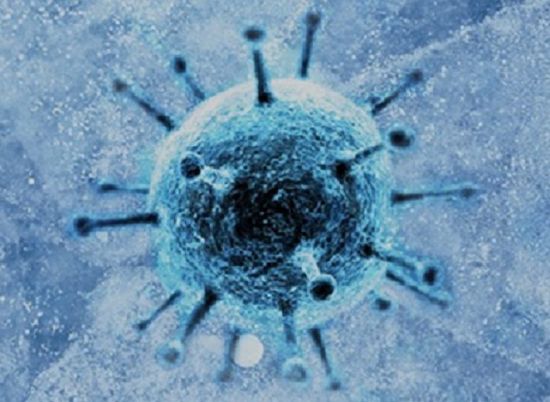
[Asia Economy Reporter Kim Young-won] When the cold wind blows, caution is needed for norovirus, which frequently occurs in winter. Norovirus infection cases begin to increase from November and continue until April of the following year.
The reason norovirus infections occur more frequently in winter is that the virus has the characteristic of withstanding various temperature changes well, and the transmission between people increases in enclosed spaces during cold days.
Norovirus infection disease refers to acute gastroenteritis caused by norovirus infection. Infection occurs when consuming food or water contaminated with norovirus, and person-to-person transmission through contact with infected patients is also possible. It can especially cause diarrhea in group facilities such as daycare centers, kindergartens, and schools.
The incubation period is 10 to 50 hours, and symptoms such as vomiting and diarrhea appear within one to two days after virus infection. Abdominal pain, chills, and fever symptoms may also accompany. In infants, the elderly, and immunocompromised individuals, dehydration symptoms may appear if fluids are not sufficiently replenished, so caution is required. These symptoms usually improve after lasting 2 to 3 days.
To prevent norovirus, it is important to follow personal hygiene rules such as washing hands thoroughly. It is recommended to wash hands for more than 30 seconds before preparing food, before feeding, and after caring for someone with diarrhea symptoms.
Regarding food intake, ingredients such as fruits, vegetables, oysters, and clams should be thoroughly cooked or washed under running water before eating. It is good to disinfect knives and cutting boards before use, and to use separate cooking utensils for meat, vegetables, and fish. Boiling drinking water is recommended.
When a norovirus infection patient occurs, it is recommended to restrict group activities for more than 48 hours even after symptoms disappear. Since infection through contact with patients or droplets from vomit is possible, living spaces should be separated from the patient. Environments and objects contacted by the patient should be disinfected with a household bleach solution diluted at a ratio of 1 part bleach to 50 parts water for chlorine disinfection.
© The Asia Business Daily(www.asiae.co.kr). All rights reserved.
![Clutching a Stolen Dior Bag, Saying "I Hate Being Poor but Real"... The Grotesque Con of a "Human Knockoff" [Slate]](https://cwcontent.asiae.co.kr/asiaresize/183/2026021902243444107_1771435474.jpg)














