Automobile Purchase Intention Index July 119 → August 86
Lowest Level in the Past Year... Clear Downward Trend
New Car Prices Soar, Demand and Purchasing Power Decline Due to Stagnation and Interest Rate Hikes
Interest in Whether Supplier-Dominant Market Will End Post-Pandemic
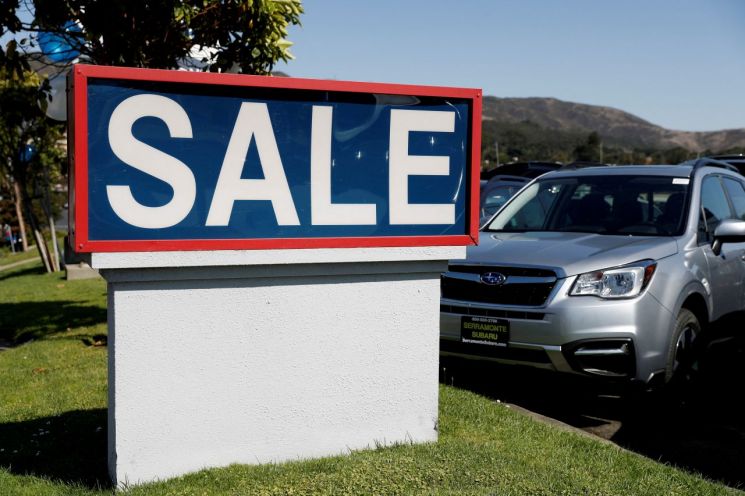
# Housewife A, who was planning to buy a newly released domestic electric vehicle, gave up on the idea.
Even if she placed an order immediately, she would have to wait about a year, and she heard that subsidies might be cut off by the end of the year, making it impossible to receive them.
# Office worker B, who had contracted for an imported mid-to-large sedan, is also considering canceling the contract. The model changed to a new model year with a price increase of several million won, and the interest burden on loans taken out to buy a house is expected to increase significantly.
[Asia Economy Reporter Choi Dae-yeol] Analysis shows that domestic consumers' intention to purchase cars has dropped to the lowest level of the year. This is attributed to the sharp rise in raw material prices since last year being reflected in the final product prices, causing new car prices to soar, and consumers' purchasing power declining due to concerns over an economic recession. Although it is common to wait several months even after ordering a new car, and major automakers reportedly have substantial backorder volumes, there are forecasts that the 'supplier's market' will soon come to an end.
According to the vehicle purchase intention report released on the 16th by the consulting firm Korea Deloitte Group, as of the end of August, the domestic consumers' Vehicle Purchase Intent (VPI) index stood at 85.7, the lowest level in the past year. This index tracks 1,000 consumers in each country who intend to purchase a vehicle within the next six months, with 100 as the baseline dividing purchase and non-purchase intentions.
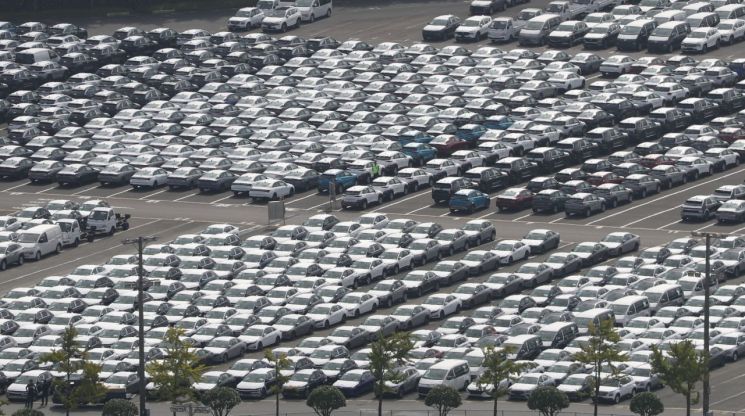
What stands out in this survey is that the index, which was 119 just a month ago, plummeted by more than 30 points within a month. This indicates that many consumers feel that purchasing conditions have deteriorated rapidly. The lowest point this year was around 90.5 in early February, so this is even lower. In the United States, one of the world's largest automobile markets, the purchase intention index has remained below 100 for all but three months in the past year. The overall downward trend has solidified.
Since the outbreak of COVID-19 in 2020, purchase intentions have generally remained high. Early in the pandemic, concerns about infection on public transportation increased the desire to buy cars. The semiconductor shortage for vehicles caused production disruptions for most manufacturers, which also affected new car supply.
The parts supply shortage, which seemed to improve somewhat, was prolonged due to the Russian invasion earlier this year and factory shutdowns and lockdowns caused by the resurgence of COVID-19. This remains the reason why customers still have to wait a long time after ordering new cars. Despite the surge in new car orders, there was optimism about economic recovery until the end of last year. Consequently, raw material prices rose, and car prices soared to unprecedented levels.
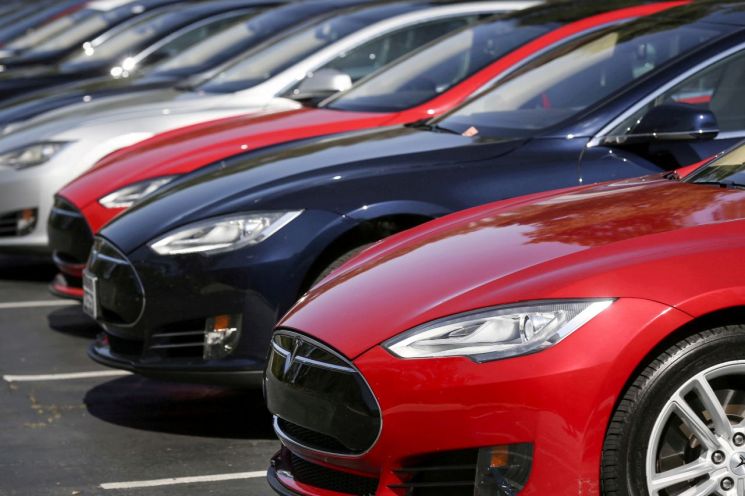
Price is a decisive factor in new car purchases. The sudden rise in a short period has caused many to withdraw their purchase intentions. The recent sharp increase in new car prices is noticeably significant. Even without major changes in product features during model year changes, prices have risen by tens or hundreds of thousands of won. Mercedes-Benz has models that increased by tens of millions of won. For imported cars, the depreciation of the Korean won inevitably leads to increased costs, making price hikes unavoidable. Additionally, the burden felt by consumers has grown significantly due to interest rate hikes.
Although Deloitte diagnoses that forecasting automobile supply and demand has become more difficult compared to the past, it expects the downward trend in demand to continue. This is due to ongoing geopolitical instability and price increases caused by inflation. This is not a problem unique to Korea; the United States is in a similar situation.
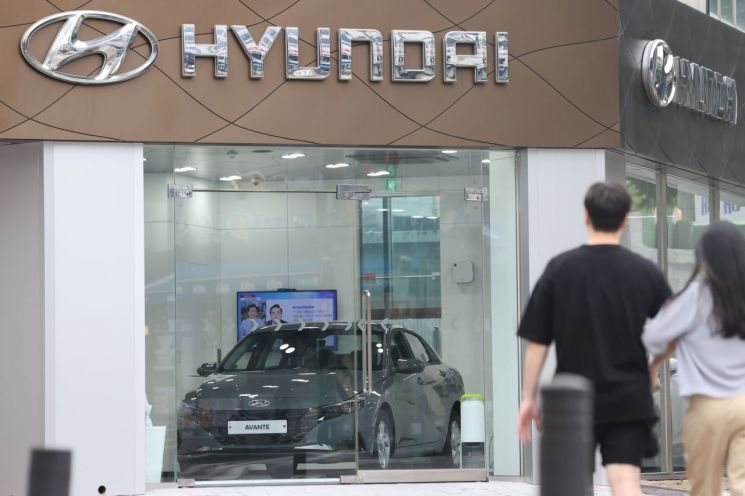
Deloitte stated, "The recent trend of overall consumer sentiment contraction aligns with growing concerns about inflation," adding, "While inflation raises worries about product price increases, consumers' financial conditions are significantly affected, inevitably leading to reduced demand."
Kim Tae-hwan, leader of the automotive industry at Korea Deloitte Group, said, "Automotive production issues have lasted much longer than expected, greatly impacting the global automotive industry and consumers' automotive consumption sentiment," and added, "The automotive industry must clearly understand and respond to what consumers want even amid uncertain circumstances."
© The Asia Business Daily(www.asiae.co.kr). All rights reserved.
![Clutching a Stolen Dior Bag, Saying "I Hate Being Poor but Real"... The Grotesque Con of a "Human Knockoff" [Slate]](https://cwcontent.asiae.co.kr/asiaresize/183/2026021902243444107_1771435474.jpg)

















