Estimated Global Upcycling Food Industry Size Around 70 Trillion Won This Year
Continued Growth Expected as Sustainable Industry and Ethical Consumption Strengthen
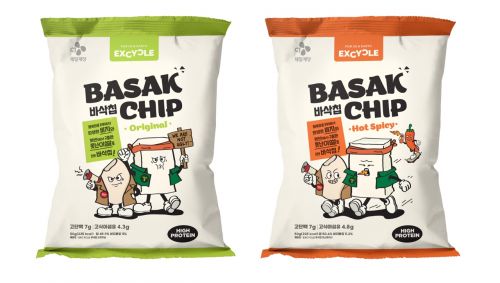
[Asia Economy Reporter Eunmo Koo] Upcycling food, based on eco-friendly production and ethical consumption to reduce the estimated 1.3 billion tons of annual global food waste, is becoming a new trend in the food industry.
According to the Korea Agro-Fisheries & Food Trade Corporation (aT) on the 17th, the global upcycling food industry is estimated to be worth about $53 billion (approximately 70 trillion KRW) this year. The market is expected to grow at an average annual rate of 4.6%, reaching about $83.3 billion (approximately 110 trillion KRW) by 2032.
Upcycling is a compound word of upgrade and recycling, referring to the concept of applying new technologies to low-value resources such as by-products or waste to create high added value. While recycling reuses products with the same value as before, upcycling means creating new value-added products using existing materials. Since more than 30% of food produced annually is wasted, negatively impacting food security, financial losses, and the environment, food upcycling is considered a necessity rather than a choice.
Upcycling food most commonly takes the form of creating new foods from food by-products. For example, barley by-products from beer production or peels of various raw materials are used to manufacture new foods. Beer lees, a by-product of beer making, emit large amounts of carbon when landfilled or incinerated, but due to their high protein and dietary fiber content and low calories, they are upcycled into products such as energy bars, granola, and confectionery.
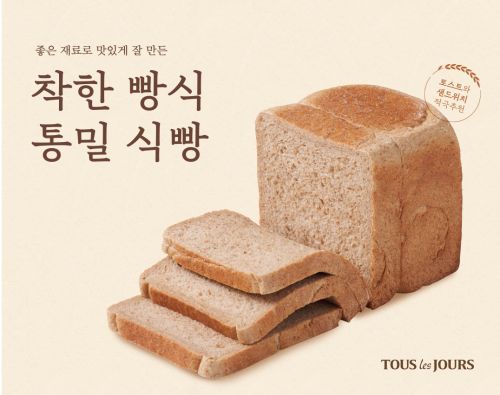
Representative examples include CJ Foodville Tous Les Jours’ ‘Good Bread Whole Wheat Bread,’ which combines wheat bran and Lenergy powder as alternative flour ingredients, and Reharvest’s ‘Lenergy Bar,’ developed using Lenergy powder made from beer and Sikhye by-products. Additionally, peels of grains, fruits, vegetables, and fish are known to contain more nutrients than their pulp and are widely used as materials for upcycling food.
New products are also made from ‘imperfect agricultural products’ with low marketability. These are agricultural products classified outside standard grades due to external factors such as color, size, or blemishes, which are not discarded but upcycled to promote resource circulation. In the past, imperfect agricultural products could not be shipped through normal distribution channels due to defects like color or size, but recently, there has been a conscious consumption movement focusing on their health benefits and pesticide-free nature.
With growing interest in environmentally friendly and sustainable industries and strengthened ethical consumption, the upcycling industry is expected to continue to thrive. Initially, upcycling food was not widely recognized due to the prejudice of being recycled food, but with creative ideas and shifts in consumer awareness, a foundation has been laid for the development of various upcycling foods. In July, CJ CheilJedang launched ‘Excycle,’ a specialized upcycling food brand, introducing two types of snacks called ‘Excycle Crispy Chips’ containing 60% broken rice pieces and soybean pulp, and operated a pop-up store.
© The Asia Business Daily(www.asiae.co.kr). All rights reserved.
![Clutching a Stolen Dior Bag, Saying "I Hate Being Poor but Real"... The Grotesque Con of a "Human Knockoff" [Slate]](https://cwcontent.asiae.co.kr/asiaresize/183/2026021902243444107_1771435474.jpg)
















