From Early January to Jeongwol Daeboreum, Celebrations Centered on Family and Village Communities Passed Down
Related Research Conducted Since the Joseon Dynasty "Highly Academic and Clear"
Based on Our Nation's Cosmology and Astronomy... Unique Play Tools and Game Boards
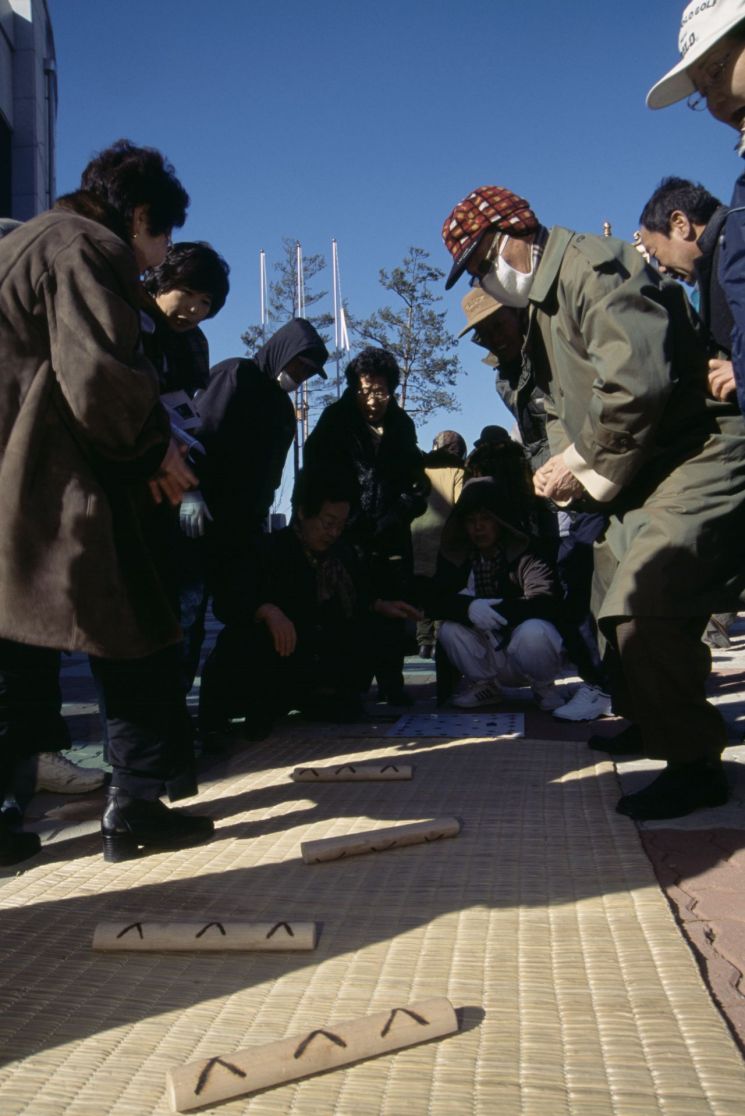
[Asia Economy Reporter Lee Jong-gil] Yutnori is a traditional game where players move pieces on a board according to the positions of yut sticks that are flipped or tilted. It has been passed down through generations, played mainly within families and village communities from the beginning of the lunar new year until the first full moon festival (Jeongwol Daeboreum). Despite social changes brought by industrialization and urbanization, it has been continuously preserved, establishing itself as a traditional play culture embodying the identity and values of the Korean people.
Yutnori, which is enjoyed and inherited throughout the Korean Peninsula, is managed as a National Intangible Cultural Heritage. The Cultural Heritage Administration announced on the 26th that it will decide on the designation after collecting opinions from various sectors for a month and reviewing them through the Intangible Cultural Heritage Committee. Since it is a culture enjoyed by the entire nation, no specific holders or holder organizations will be recognized.
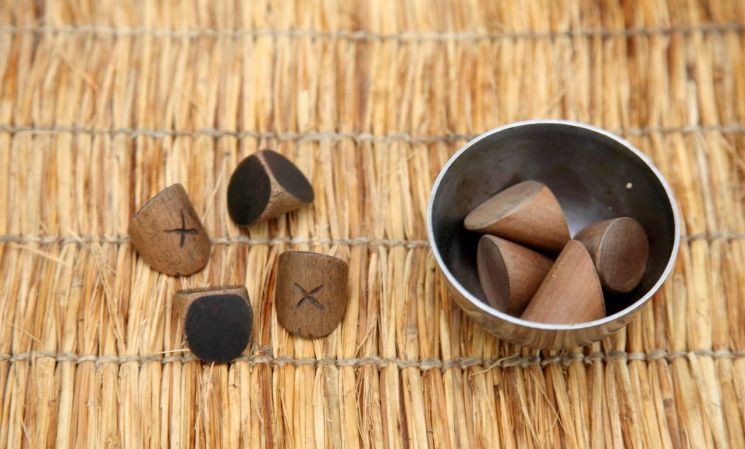
The origin of Yutnori is estimated to be before the Three Kingdoms period, but terms directly referring to yut sticks are not found in Goryeo dynasty documents. Some consider it to be the same as games like 'Jeopo (樗蒲)'. Jeopo was a game from the Baekje period where wooden dice were thrown to compete based on the dice results. The term corresponding to Yutnori, 'Sahee (柶?)', first appears in early Joseon dynasty literature. From the mid to late Joseon period, it was called 'Cheoksa (擲柶)', and the gameplay has continued to the present day.
Related research has been conducted since the Joseon dynasty. Representative scholars include Kim Mun-pyo (1568?1608), Lee Gyu-gyeong (1788?1856), and Shim Ik-woon (1734??). Kim Mun-pyo investigated the symbolism of the yut board and the movement of pieces, describing 'Sadoseol (柶圖說)' in the 'Junggyeongji (中京誌)'. Lee Gyu-gyeong argued the 'Sahee Byeonjeungseol (柶?辨證說)' in 'Ojuyeonmunjangjeonsango (五洲衍文長箋散稿)', and Shim Ik-woon detailed the rules in 'Saheegyeong (柶?經)' of 'Gangcheongak Soharok (江天閣銷夏錄)'. The Cultural Heritage Administration stated, "Various historical documents show that the academic value of Yutnori is very high and clear, and its research potential is limitless."
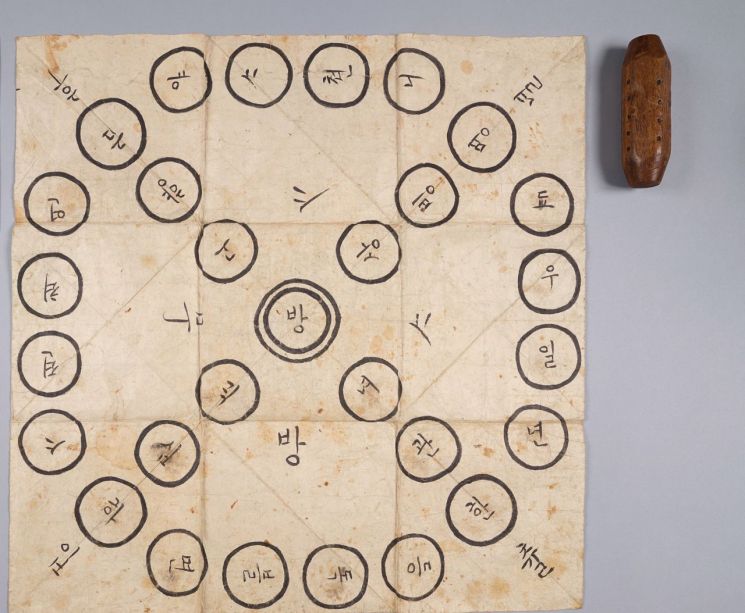
Yutnori is based on the Korean people's cosmology and astronomy. It is especially regarded as having formal completeness in concepts such as Yin (陰) and Yang (陽), and the 28 lunar mansions. The game tools, board, and gameplay also exhibit unique characteristics. Yut sticks vary regionally, including types like Garak Yut and Jongji Yut, and there are diverse play methods such as Geongung Yutnori, which is played without a board using only pieces. Even today, it is flexibly passed down in changing social environments, with various digital game adaptations through the internet and mobile communications.
The Cultural Heritage Administration explained, "The continuity is high as village communities still hold Cheoksa competitions, and various transmission revitalizations are possible. Considering its variability using combinations (geut-su) rather than mere luck (un), intuitive gameplay structure, and adaptability to surrounding circumstances, it is judged that Yutnori can be actively inherited in the future as well."
© The Asia Business Daily(www.asiae.co.kr). All rights reserved.
![Clutching a Stolen Dior Bag, Saying "I Hate Being Poor but Real"... The Grotesque Con of a "Human Knockoff" [Slate]](https://cwcontent.asiae.co.kr/asiaresize/183/2026021902243444107_1771435474.jpg)

















