[Seoul District News] Gwanak-gu Establishes 'Youth Culture Bureau' in 8th Term, Opens 'Cheongnyeoncheong' to Make Gwanak Youth-Friendly; Increase in Youth Employment in Gwanak... Jungnang-gu Hosts 2022 Jungnang Youth Festival at Jungnangcheon Ihwagyio Riverside on Sept 22-23... Gwangjin-gu Recruits Applicants for Special Support for At-Risk Youth... Dongjak-gu Selected for Pilot Project of Integrated Part-Time Childcare Operation
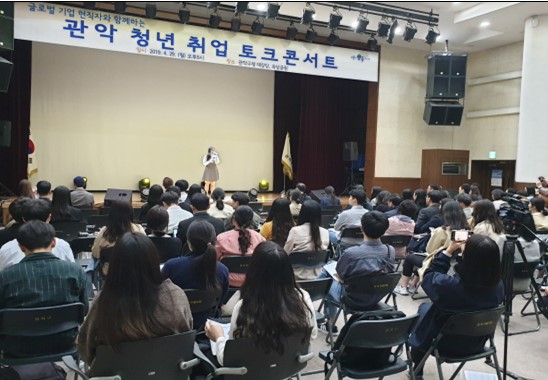
[Asia Economy Reporter Park Jong-il] Gwanak-gu (Mayor Park Jun-hee), which has the highest youth population ratio nationwide, has achieved the highest youth employment rate in Seoul.
According to the results of the regional employment survey for the first half of 2022 announced by Statistics Korea on August 23, Gwanak-gu's youth employment rate was 55%, higher than the Seoul average of 45.4%, making it the highest among autonomous districts.
The overall employment rate of the district was 58.1%, up 4.4% from the previous year, higher than the Seoul average of 57.5%, showing the largest increase among autonomous districts. The number of employed persons increased by 19,000 to 269,000, and the unemployment rate decreased by 1.4 percentage points to 4.8%, indicating a remarkable overall improvement in employment indicators.
This is the result of the district's focused efforts over the past four years of the 7th local government administration, including ▲promotion of the Gwanak S Valley development project and designation as a venture business promotion district ▲providing the nation's largest scale of 6,042 public jobs over the past two years to overcome COVID-19 employment difficulties ▲establishment of the 'Youth Policy Division' to operate youth cultural spaces such as Sillim-dong Three Room and various youth policies like the Euddeum Gwanak Youth Account.
The district particularly supports youth facing employment difficulties through various projects such as linking employment between local non-profit organizations and job-seeking youth, providing wage support, AI aptitude tests, operating interview experience centers, and hosting youth employment concerts as part of the community-led youth job project.
These comprehensive achievements were externally recognized, and in July, the district received the National Local Government Job Award hosted by the Ministry of Employment and Labor and the Minister’s Award for Hopeful Work Merit Institution hosted by the Ministry of the Interior and Safety.
Going forward, the district plans to establish a Youth Culture Bureau through the 8th local government reorganization to lay the foundation for systematic youth policies and job projects, then open the 'Gwanak Youth Center' to fully support various youth job-seeking activities.
Mayor Park Jun-hee said, “Achieving the number one youth employment rate, I believe Gwanak has taken a step forward as a genuine youth city,” and added, “We will continue to do our best to create a special youth city, Gwanak, by supporting youth to confidently pursue their dreams and increasing the youth employment rate.”
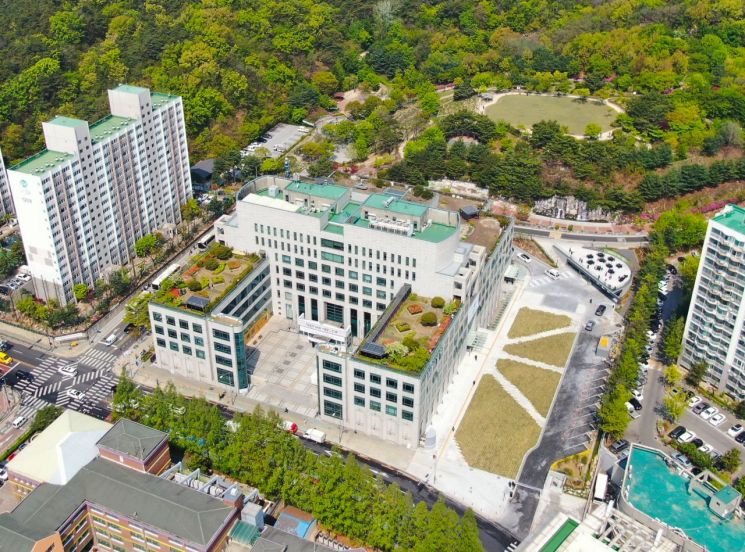
Jungnang-gu (Mayor Ryu Kyung-gi) will hold the 2022 Jungnang Youth Festival on September 22 and 23 at the riverside park near Ihwa Bridge along Jungnangcheon Stream to commemorate Youth Day.
The Jungnang Youth Festival is a 'youth-made youth festival' planned and operated directly by a youth festival planning and promotion team composed of local youth. Although it was held online due to COVID-19, this year it will be held on-site, allowing attendees to fully enjoy the festival atmosphere.
The district plans for youth and residents exhausted by COVID-19 to relieve isolation and activate exchanges by enjoying the outdoor festival, as well as to share local youth policies and activities to build social consensus on youth issues.
At the festival, visitors can first encounter youth policy governance promotion booths introducing various local youth policies such as the Jungnang-gu Youth Network, non-technical youth startup support projects, and social isolation youth support projects.
At the youth flea market booths, 14 teams will participate, offering bouquets, daily necessities, emotional postcards, handmade accessories, eco-friendly perfumes, vintage items, and more for purchase.
Especially, on the last day, the visible radio & performance event 'Youth Like Youth' will feature pre-registered story introductions along with performances and interviews by youth artists.
Additionally, various event booths such as the 'Slow Mailbox' sending postcards to oneself a year later and the youth record photo zone will provide abundant sights and entertainment.
Mayor Ryu Kyung-gi of Jungnang-gu said, “I hope that youth tired from academic, employment, and interpersonal challenges can take a break from daily life, regain vitality at the festival, and receive comfort and empathy,” and added, “We will continue to promote youth support projects that provide practical help to youth.”
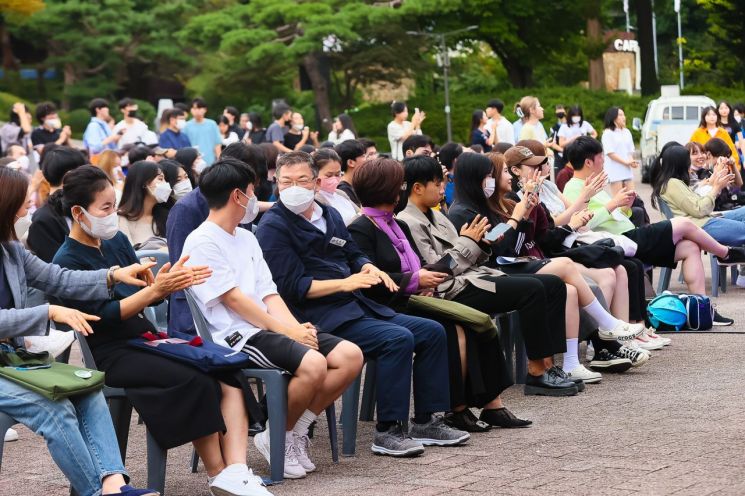
Gwangjin-gu (Mayor Kim Kyung-ho) is recruiting applicants for the '2022 Second Half Youth Special Support' program until the 30th of this month.
The 'Youth Special Support' project is a customized service program that identifies at-risk youth who are in welfare blind spots without support from other systems or laws and directly provides necessary assistance.
The support targets youth aged 9 to 24 who are at risk, including ▲youth requiring prevention due to risk of delinquency or deviation ▲out-of-school youth ▲youth without guardians or who do not receive actual protection from guardians.
Additionally, support eligibility requires meeting income conditions based on the monthly average income calculated from the health insurance premium self-payment amount. For living or health support, the median income must be 65% or less; for academic, independence, counseling, legal, or activity support, 72% or less.
Support is provided in eight areas: ▲living (basic living expenses such as food, clothing, and shelter) ▲health (health checkups, treatment) ▲academics (tuition, textbook fees, GED academy fees) ▲independence (technical training, career counseling, job experience costs) ▲counseling (individual/family counseling fees, psychological testing fees) ▲legal (litigation costs, legal consultation fees) ▲activities (training, cultural, special skill activity costs) ▲others (scar correction, school uniform support). One most urgent service is provided to selected applicants.
Youth applicants or discoverers wishing to apply should submit the social security benefit application (or change) form, preliminary special support review form, support reason statement, and income eligibility proof documents to the local community service center or youth discovery agency in their jurisdiction.
Support eligibility and amounts are decided by the district youth welfare review committee, with monthly support ranging from 150,000 to 650,000 KRW depending on the service. Selected youth will also receive 2-3 counseling sessions through the Youth Counseling Welfare Center to aid psychological healing and healthy growth.
The district also promoted the '2022 First Half Youth Special Support' around April this year, currently supporting a total of 10 youth.
One first-half recipient receiving independence support said, “I was at a loss about how to prepare for employment in a financially difficult situation, but I am grateful to receive expenses necessary for employment.”
Mayor Kim Kyung-ho of Gwangjin-gu said, “Since this program provides customized support in the fields desired by at-risk youth, it can offer practical help to youth,” and added, “The district will prepare various projects to ensure youth can grow up safely and healthily.”
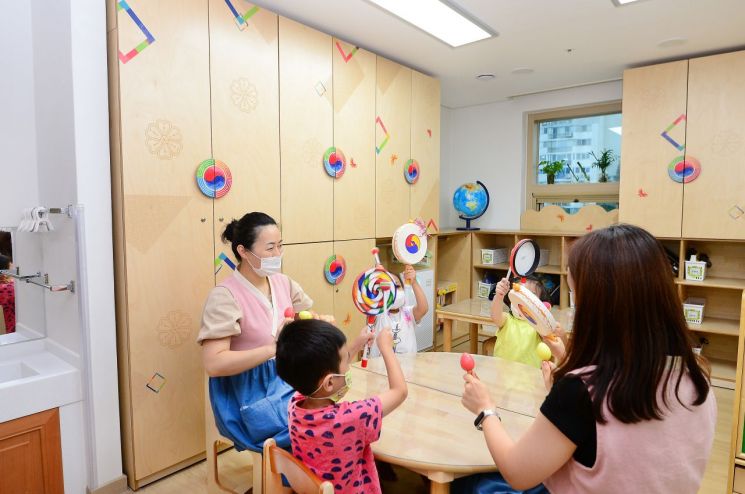
Dongjak-gu (Mayor Park Il-ha) announced that it was the only autonomous district in Seoul selected for the Ministry of Health and Welfare’s 'Pilot Project for Integrated Operation of Hourly Childcare' and has started operation this month.
The hourly childcare service is a care service that allows parents who are raising children at home to use daycare centers on an hourly basis when temporary childcare is needed due to reasons such as hospital visits or short working hours.
The district currently operates 14 independent hourly childcare classes at 11 locations and, starting this month, will additionally operate 12 integrated hourly childcare classes at 9 locations.
Previously, independent hourly childcare classes were operated separately from regular childcare classes, but through this pilot project, some unfilled seats in regular classes can be integrated and operated as hourly childcare, improving accessibility and convenience for users.
The service targets children aged 6 to under 36 months who are not attending daycare centers, specifically those in the 0-year-old and 1-year-old classes, with options for morning (9:00 AM?12:00 PM), afternoon (1:00 PM?4:00 PM), or full-day (10:00 AM?3:00 PM) sessions.
During the pilot operation period, users can use the service with a self-pay childcare fee of 1,000 KRW per hour supported by national funds, and if usage exceeds 80 hours per month, the fee is 5,000 KRW per hour.
Applications must be made through the 'I Love Childcare Portal' with reservations at least five days in advance on a monthly basis. For more details, contact the Dongjak-gu Childcare Division.
Mayor Park Il-ha of Dongjak-gu said, “This project is expected to reduce the childcare burden for families raising children at home,” and added, “We will strive to create a childcare environment where both children and parents can be happy and feel secure.”
© The Asia Business Daily(www.asiae.co.kr). All rights reserved.
![Clutching a Stolen Dior Bag, Saying "I Hate Being Poor but Real"... The Grotesque Con of a "Human Knockoff" [Slate]](https://cwcontent.asiae.co.kr/asiaresize/183/2026021902243444107_1771435474.jpg)

















