Recipe Trending on SNS Commercialized
Cause of Modisumer Craze... Increase in Single-Person Households and Convenience Stores
Alcohol Industry Also Paying Attention to Modisumer Recipes
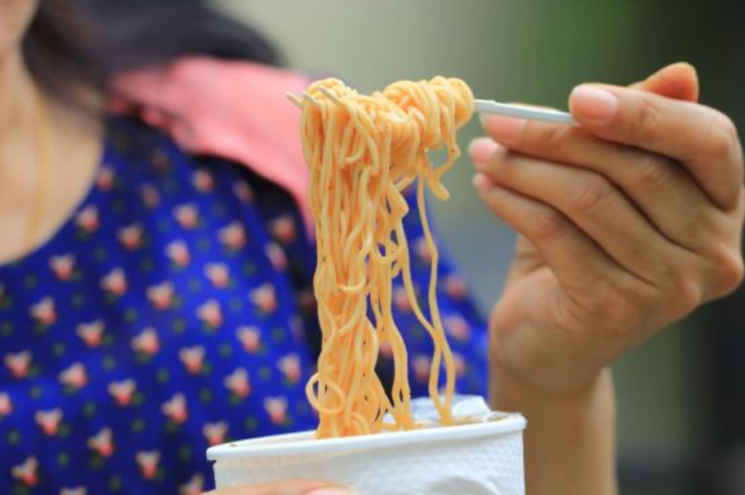
[Asia Economy Reporter Heo Midam] Recently, 'modisumer' marketing, which actively incorporates consumer opinions into product development, has been thriving mainly in the food industry. The term modisumer is a portmanteau of 'modify' and 'consumer,' referring to consumers who enjoy products by reinventing recipes rather than following the original instructions. In response to this trend, industries are reflecting popular recipes from social networking services (SNS) like YouTube in new products or even holding recipe contests targeting consumers.
The trend of commercializing cooking methods that reflect consumers' individuality continues. The ramen industry is the most proactive in leveraging the modisumer craze. Ottogi launched 'Jin Ramen Fried Rice,' an extension product of 'Jin Ramen,' last month. This product was introduced as a convenient meal after a fried rice recipe made with cup ramen became a hot topic on SNS.
Nongshim also released 'Ramen King Seaweed and Sesame' last month. This product was developed by actively reflecting consumers' desire to enjoy ramen with a savory flavor.
The origin of the modisumer craze also began in the ramen industry in 2012. At that time, the MBC entertainment program 'Dad, Where Are We Going?' introduced 'Jjapaguri,' a mix of Chapagetti and Neoguri, which caused a sensation and gained nationwide love. Later, in 2019, 'Jjapaguri' appeared again in the movie 'Parasite,' attracting global attention along with the film's success. As a result, Nongshim achieved its highest-ever performance in 2020.
There are various other cases where consumer demands are utilized in product development. When BTS member RM said while eating bibim-myeon, "One bibim-myeon is too little, two are too many," the manufacturer Paldo launched a 1.2 times larger size product in January this year.
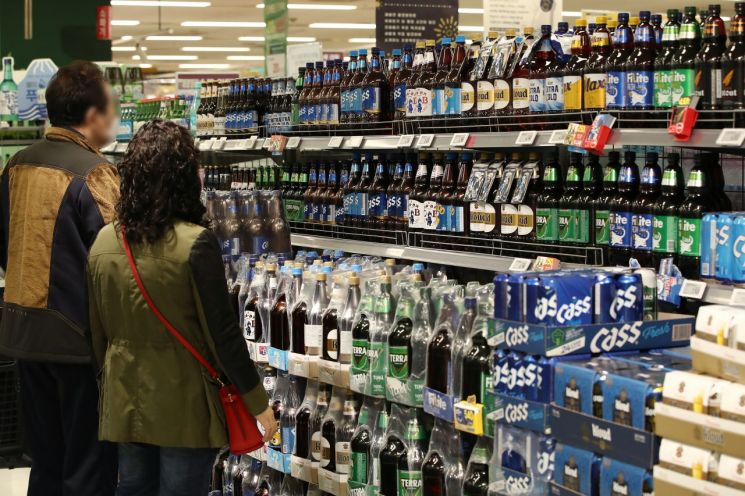
The spread of modisumer culture is attributed to factors such as the increase in single-person households and convenience stores. As single-person households increased, the culture of eating and drinking alone, such as 'honbap' (eating alone) and 'honsul' (drinking alone), expanded, leading to more cases of consumers personally combining convenience store products to suit their tastes. Additionally, as more people upload their self-developed recipes on SNS, the modisumer craze has intensified.
From a corporate perspective, utilizing modisumer recipes has the advantage of reducing product development costs. Furthermore, since the recipes are already popular among consumers, marketing expenses for promoting new products can be cut.
Meanwhile, the modisumer craze has recently expanded to the alcoholic beverage industry. Previously, a 'drink as much as you can' drinking culture prevailed, but after COVID-19, the atmosphere shifted to 'enjoy drinking deliciously even if it's just one glass,' leading to increased attention on recipes mixing alcohol and beverages.
A representative modisumer product in the alcoholic beverage industry is the 'Gat-saeng Bomb Beer.' This beer, launched in May by HiteJinro in collaboration with GS25, is known for perfectly realizing the optimal recipe for so-maek (a mix of soju and beer) with a ratio of one-third soju and one-half beer. Additionally, Lotte Chilsung Beverage released 'Maek-sa,' a mix of beer and cider, in February.
© The Asia Business Daily(www.asiae.co.kr). All rights reserved.
![Clutching a Stolen Dior Bag, Saying "I Hate Being Poor but Real"... The Grotesque Con of a "Human Knockoff" [Slate]](https://cwcontent.asiae.co.kr/asiaresize/183/2026021902243444107_1771435474.jpg)
















