Government Focuses on Daily Quarantine and High-Risk Group Management
Eating Allowed at Rest Areas, Buses, and Trains
Negative Test Certificate No Longer Required Before Entry for Overseas Arrivals
Over 5,300 Local Clinics Open on Holidays
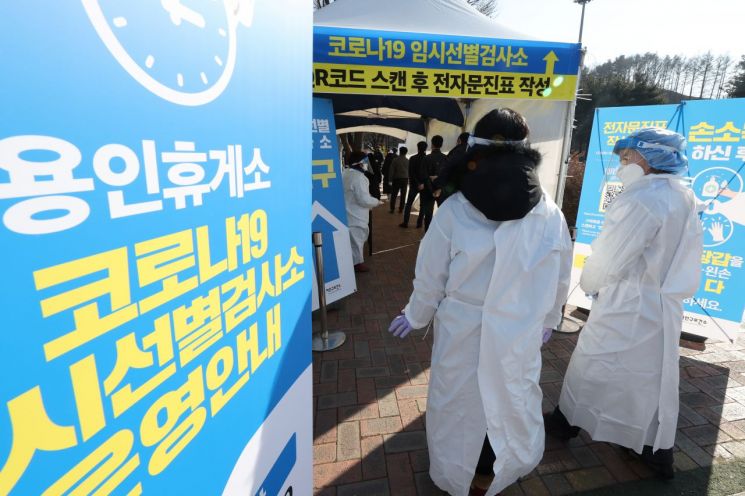
[Asia Economy Reporter Jo In-kyung] With just five days left until this year’s Chuseok holiday, restrictions on family gatherings and visits will be lifted, and indoor eating at highway rest stops and on buses and trains will be allowed, marking a significant easing of COVID-19 related quarantine guidelines. This will be the first holiday since the COVID-19 outbreak began in 2020 without social distancing or other quarantine measures in place.
The government has assessed that the overall quarantine situation is stable, with a decline in new confirmed cases. However, it remains concerned about the potential for further spread due to increased face-to-face contact and travel during the holiday period. Even if there is a resurgence, it is expected to be limited in scale, so the focus will be on adherence to daily quarantine rules rather than strict infection control, with particular attention to managing high-risk groups.
Kim Seong-ho, the 2nd General Coordinator of the Central Disaster and Safety Countermeasures Headquarters (Director of the Ministry of the Interior and Safety’s Disaster and Safety Management Headquarters), urged, “To safely celebrate the Chuseok holiday without social distancing for the first time in three years, we ask the public to keep visits to hometowns or travel destinations small and brief, and to strictly follow personal quarantine rules such as wearing masks.”
“PCR Tests Free for Everyone at Rest Stops”
According to the Central Disaster and Safety Countermeasures Headquarters on the 4th, tolls will be waived for all vehicles using nationwide highways during the four-day holiday from September 9 to 12. Indoor eating will be permitted at rest stops, buses, and trains, and all seats on public transportation will be available without spacing.
During the holiday, nine temporary screening clinics will be added at highway rest stops in Gyeonggi, Gyeongnam, and Jeonnam provinces, allowing anyone to receive free polymerase chain reaction (PCR) tests.
Previously, mandatory COVID-19 testing before entry for overseas arrivals was abolished as of midnight on the 3rd. Until now, all entrants to Korea had to submit a negative PCR test within 48 hours or a professional rapid antigen test (RAT) within 24 hours before entry, but now only a PCR test within one day after entry is required, with no pre-entry test needed.
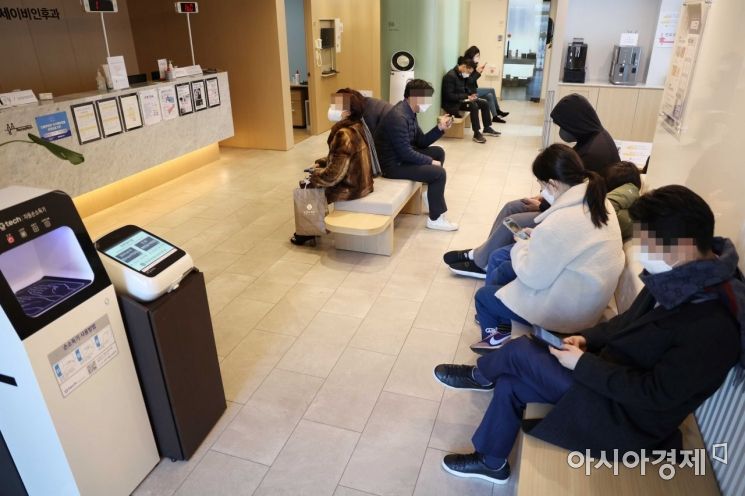
'One-Stop Medical Institutions' Operating at Over 5,000 Locations
During the Chuseok holiday, 603 COVID-19 screening clinics nationwide will remain open. Free PCR testing at these clinics is available only for high-risk groups and facility workers.
More than 5,300 one-stop medical institutions will operate during the holiday, where patients can receive testing, prescriptions, and treatment all in one place. The government plans to designate at least one duty pharmacy per city, county, or district near these institutions to provide oral antiviral medications. In areas with limited medical infrastructure, public health centers will temporarily prescribe and dispense oral antiviral drugs during the holiday.
General cold medicines can be purchased at all pharmacies open during the holiday, and some over-the-counter cold medicines and fever reducers will also be sold 24 hours a day at convenience stores.
Medical consultation centers and administrative support centers for COVID-19 patients undergoing home treatment will operate continuously at more than 148 locations during the holiday. If symptoms worsen during home treatment, patients can visit one-stop medical institutions or contact public health centers or medical consultation centers to arrange hospitalization. In emergencies, patients will be transported to emergency medical institutions via local 119 emergency services.
Special patients such as pediatric, maternity, and dialysis patients will be managed by monitoring hospital operations in each province and city during the holiday. Special patients requiring general treatment will be directed to nearby general hospitals, while severe and emergency patients will be assigned beds at designated hospitals.
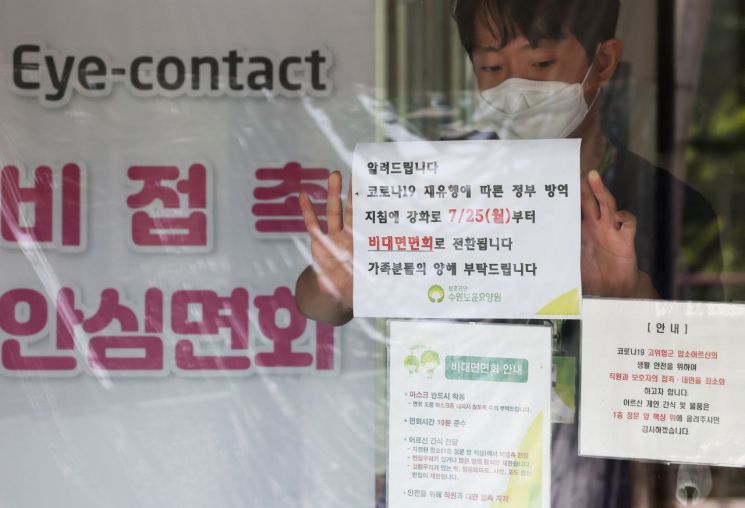
Visits to Nursing Facilities Prohibited
Visits involving physical contact to infection-vulnerable facilities such as nursing hospitals and care facilities, where high-risk groups reside, will be prohibited during the holiday. Visits will only be allowed through non-contact or non-face-to-face methods, and current quarantine rules such as preemptive testing of workers will remain in effect during the holiday.
An emergency contact network will be established among nursing facilities, local governments, and general medical institutions to ensure continuous medical support for nursing facilities during the holiday.
Joint quarantine inspections will be conducted at traditional markets and department stores by the government, local governments, and industry, with an emergency response communication system in place. Quarantine managers will be designated to continuously inform visitors and workers about quarantine rules.
Focused Inspections of Foreigners’ Collective Residences
The government especially urged minimizing movement and gatherings of foreigners during the Chuseok holiday. By the 12th, about 230 special field inspection and publicity teams will be organized at 17 immigration and foreigner-related offices nationwide to focus inspections on 607 locations including collective residences of foreigners and entertainment and massage establishments.
Additionally, multilingual notices about quarantine rule compliance will be produced and distributed to multi-use facilities in foreigner-dense areas, major subway stations, train stations, bus terminals, and airports.
To encourage COVID-19 testing and vaccination among undocumented foreigners, information about the “Notification Obligation Exemption System” will be provided through foreigner communities. Under this system, even if undocumented foreigners undergo COVID-19 testing, their personal information will not be used for purposes other than quarantine and will not be reported to immigration authorities.
© The Asia Business Daily(www.asiae.co.kr). All rights reserved.
![Clutching a Stolen Dior Bag, Saying "I Hate Being Poor but Real"... The Grotesque Con of a "Human Knockoff" [Slate]](https://cwcontent.asiae.co.kr/asiaresize/183/2026021902243444107_1771435474.jpg)

















