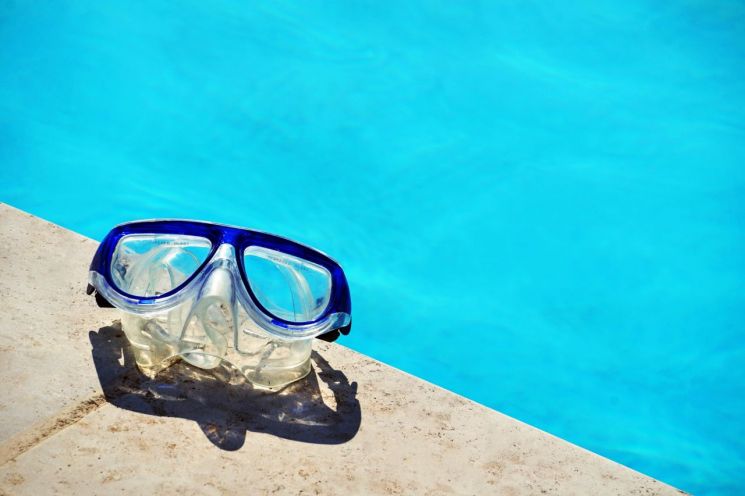
[Asia Economy Reporter Lee Gwan-ju] Hot and humid summers make it easy for bacteria and viruses to multiply, so extra caution is needed when wearing contact lenses. Especially when swimming or playing in water, wearing contact lenses can block oxygen supply to the cornea and increase the risk of infection by pathogens such as Acanthamoeba, so it should be avoided as much as possible. However, if you cannot endure the inconvenience of goggles or glasses and must wear lenses, it is important to follow proper lens use and care methods, and if symptoms such as itching or discomfort appear, promptly seek examination by an ophthalmology specialist.
Clean usage is fundamental... Dedicated cleaning solutions help
The basic rule for wearing lenses is always to have clean hands when handling them. Touching lenses or eyes with hands exposed to water before or after swimming can easily lead to infection by pathogens from contaminated water. Even if contaminated water does not directly contact the eyes, microorganisms or bacteria in the water can be transmitted to the eyes through the hands, so hands must be kept clean not only when putting in lenses but also when removing them.
It is better to use dedicated cleaning solutions rather than tap water or regular saline to clean lenses. Cleaning lenses with tap water or regular saline cannot effectively remove contaminants and bacteria adhering to the lenses. Using cleaning solutions containing disinfectants such as polyhexamethylene biguanide (PHMB) can help prevent Acanthamoeba infections.
Avoid prolonged wear and visit an ophthalmologist if symptoms occur
It is not easy to clean lenses on time and properly while on vacation or elsewhere. Avoid wearing lenses continuously for long periods after swimming. The recommended wearing time for soft contact lenses is about 8 hours. Wearing lenses for more than 8 hours can reduce oxygen supply to the cornea, causing corneal edema, and the fatigued cornea is more prone to injury, increasing the likelihood of keratitis or conjunctivitis.
After swimming, lenses may have been exposed to contaminated water. Even if no symptoms appear immediately, lenses should be cleaned properly and stored in care solution for more than 4 hours before wearing. If wearing soft lenses, using disposable lenses once and then discarding them is also an option.
If redness, itching, or stinging symptoms occur even after removing contact lenses, it may be a sign of corneal injury or infection with a highly contagious eye disease. First, use artificial tears and observe if symptoms improve; if symptoms persist, promptly visit an ophthalmologist for specialist care.
Hwang Gyu-yeon, a cornea specialist at Kim Eye Hospital, explained, “Although it may be slightly inconvenient, it is better for eye health to wear glasses or goggles when swimming. If you must wear contact lenses, strictly follow wearing times and precautions to minimize infection risk, and if any abnormal symptoms appear, immediately visit an ophthalmologist for examination.”
© The Asia Business Daily(www.asiae.co.kr). All rights reserved.

















