Ministry of Agriculture, Food and Rural Affairs to Conduct Public Survey on Companion Animal Ownership Tax
"Strengthening Companion Owner Qualifications, Aiming to Protect Animal Rights"
However, Concerns Over Increased Economic Burden on Owners Remain

[Asia Economy Reporter Park Hyun-joo] Discussions on the introduction of a pet ownership tax, which requires households with pets to bear a certain cost, are gaining momentum. However, concerns about the effectiveness of the system have also emerged.
The Ministry of Agriculture, Food and Rural Affairs (MAFRA) announced on the 10th during a work report that it will conduct research, including a public opinion survey, regarding the introduction of the ownership tax. Alongside this, it also announced plans to standardize medical treatment items and disclose important medical expenses to alleviate the burden of veterinary costs, strengthen penalties for animal abusers and abandoners, and implement measures to prohibit animal breeding.
The ownership tax is a system that collects a fixed amount annually from pet owners and uses the funds for animal welfare-related resources such as veterinary medical insurance. It was established with the aim of strengthening the conditions for pet owners to foster a mature pet culture and protect animal rights by reducing the number of abandoned animals. Countries known for their mature pet cultures, such as Germany, the United States, and Australia, already operate similar systems.
Choi Ji-hee (26), a graduate student who has lived with her dog for 13 years, said, "When I registered my dog, I thought it would be good if the government could protect them." She added, "Because animals are not covered by medical insurance, the financial burden was significant every time I visited the veterinary hospital." She also noted, "If a tax is imposed, people might become more cautious when raising animals. It could prevent irresponsible people from bringing animals into situations where they cannot care for them financially."
However, concerns about the system's effectiveness have also been raised. There are criticisms that citizens who rescue and raise abandoned animals might feel an economic burden due to the ownership tax. Some negative forecasts suggest that the burden of the tax could actually increase animal abandonment. According to Animal Freedom Union, more than 100,000 abandoned and lost animals occur annually, with 128,717 in 2020 and 116,984 in 2021.
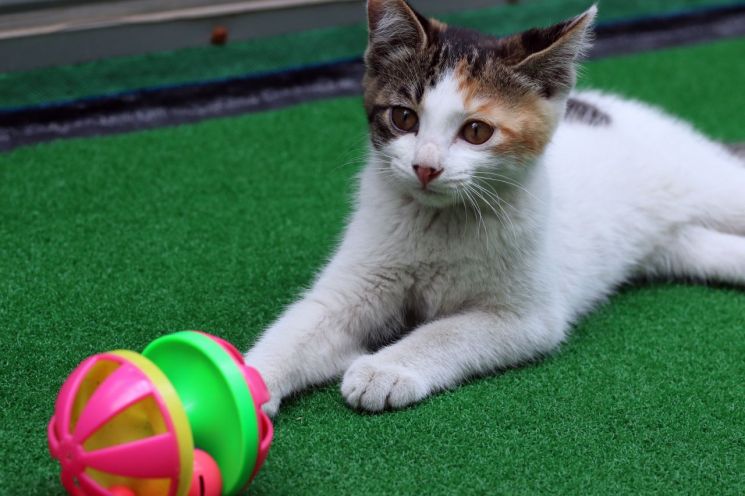 Animal rights organizations emphasized that the funds secured through the pet ownership tax should be used for animal welfare. [Image source=Pixabay]
Animal rights organizations have expressed a positive stance on the introduction of the ownership tax. However, they emphasized the condition that the funds raised through the tax must be used strictly for animal welfare. Jo Hee-kyung, representative of Animal Freedom Union, said, "I agree with collecting the ownership tax not simply as a revenue source but for the purpose of animal welfare. However, since there may be resistance among those who already own pets, a phased implementation seems necessary."
Lee Won-bok, representative of the Korea Animal Protection Federation, raised his voice that the funds should be used to improve awareness about animals, including the culture of dog meat consumption. He said, "Compared to advanced pet culture countries like Germany, our citizens' awareness of pets is still low. If the tax is used for animal welfare, such as eliminating the bad practice of pet consumption, I support the introduction of the ownership tax."
However, they stressed the need to supplement the system to prevent side effects. Representative Jo said, "Procedures such as tax exemptions or reductions should be established for exceptional cases like rescuers of abandoned animals." Representative Lee also emphasized, "As the economic burden on pet owners increases, animal abandonment might actually rise, so preventive measures must be prepared."
© The Asia Business Daily(www.asiae.co.kr). All rights reserved.
![Clutching a Stolen Dior Bag, Saying "I Hate Being Poor but Real"... The Grotesque Con of a "Human Knockoff" [Slate]](https://cwcontent.asiae.co.kr/asiaresize/183/2026021902243444107_1771435474.jpg)
















