Large-Scale Genomic Study of Korean Families with Autism
Non-Coding Regions in Early Neurodevelopmental Stages
Genetic Variants Confirmed to Affect Brain Development
"A Turning Point Changing the Paradigm of Autism Research"
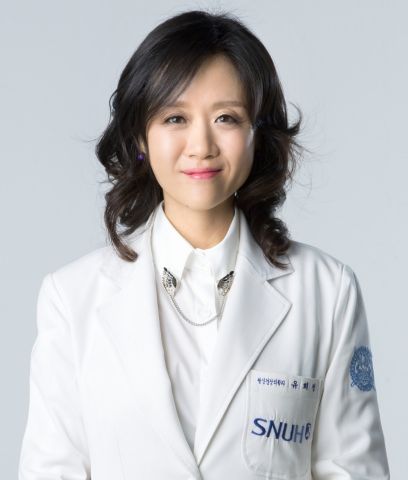
[Asia Economy Reporter Lee Gwan-ju] A research team led by Professor Yoo Hee-jung of the Department of Psychiatry at Bundang Seoul National University Hospital announced on the 26th that they have discovered a new gene variant related to the cause of autism for the first time in the world through a large-scale genomic study.
Autism is a developmental disorder characterized by communication difficulties, lack of social interaction, and repetitive behaviors or narrow interests, like the protagonist of the popular ENA drama "Extraordinary Attorney Woo." Typically, characteristic symptoms appear around the age of two, making diagnosis possible. Since the brain grows and develops rapidly at a young age, early detection and intervention can lead to better outcomes.
Although gene mutations are known to play a significant role in the occurrence of autism, it remains unclear which specific gene mutations are most important and decisive, and exactly what role those genes play in early brain development. This has made it difficult to develop treatments that improve core autism symptoms, and families of individuals with autism have had to rely on medication primarily to manage symptoms such as impulsivity or anxiety.
Professor Yoo, along with Professor Lee Jeong-ho of the Graduate School of Medical Science and Engineering at KAIST, Professor Choi Jeong-gyun of the Department of Bio and Brain Engineering, Director Kim Eun-jun of the Institute for Basic Science, and the Korea Institute of Science and Technology Information, formed a research team aiming to identify gene variants that cause autism. The team focused on the 'non-coding' regions of the genome, which account for over 98% of genomic data but do not directly produce proteins and have been excluded from previous studies. To this end, they collected blood samples from 813 individuals with autism and their families suitable for the study, analyzed their genomes, and created human stem cells to replicate fetal neural cells.
The study revealed that during early neural development, gene variants in the non-coding regions influence distant gene variants remotely through three-dimensional spatial interactions, thereby affecting brain development. This research highlights the areas of the genome that should be the focus in genomic studies aimed at uncovering the fundamental causes of autism and reproduces the changes gene variants cause in brain development. It is expected to serve as a turning point that can shift the autism research paradigm, which has so far concentrated only on protein-coding regions.
Furthermore, moving beyond autism genomic studies primarily conducted in North America and Europe, the team established the first large-scale whole-genome sequencing cohort based on Asian data and laid the groundwork for genomic analysis models, which will be an important foundation for future autism research. Professor Yoo stated, "This study is significant as it marks the first step for Korean researchers to unlock the secrets of autism using unique data from Korean individuals with autism and their families," and added, "We are deeply grateful for the dedication of the individuals with autism and their families who made this research possible."
This paper was published in the world-renowned psychiatric journal 'Molecular Psychiatry,' and the research was supported by the Seokyeongbae Science Foundation, the National Research Foundation of Korea, and the Korea Health Industry Development Institute.
© The Asia Business Daily(www.asiae.co.kr). All rights reserved.
![Clutching a Stolen Dior Bag, Saying "I Hate Being Poor but Real"... The Grotesque Con of a "Human Knockoff" [Slate]](https://cwcontent.asiae.co.kr/asiaresize/183/2026021902243444107_1771435474.jpg)















