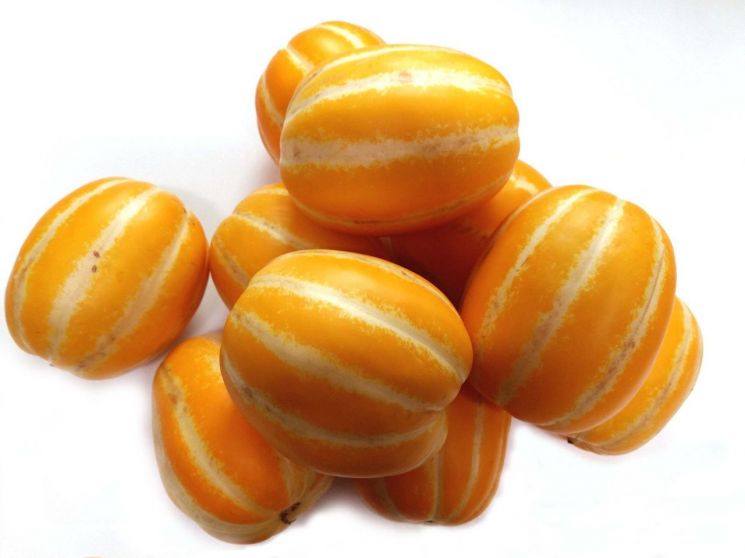
Reasons for High Amounts of Discarded Chamoe Estimated to Be Due to Climate Change
[Asia Economy Intern Reporter Kim Nayeon] As the whole world suffers from abnormal weather, it is known to be having a fatal impact on crops as well.
Europe, which is experiencing deadly heatwaves day after day, is facing an emergency in crop harvesting. The European Union (EU) expressed concerns that this year's wheat harvest could decrease by 4.7 million tons compared to last year. The southeastern region of France, a major wheat-producing area, experienced severe drought from March to May, followed by heavy rain in June.
Italy is also experiencing drought at its lowest level in 70 years, resulting in a decrease in the harvest of major crops such as tomatoes.
Additionally, the U.S. Department of Agriculture explained that 41% of wheat in Kansas is in very poor or bad condition. This is three times worse than the situation at the same time last year (14%). The Wheat Quality Council (WQC) predicted that more than one out of ten wheat fields in Kansas will not be harvested this year and will be abandoned.
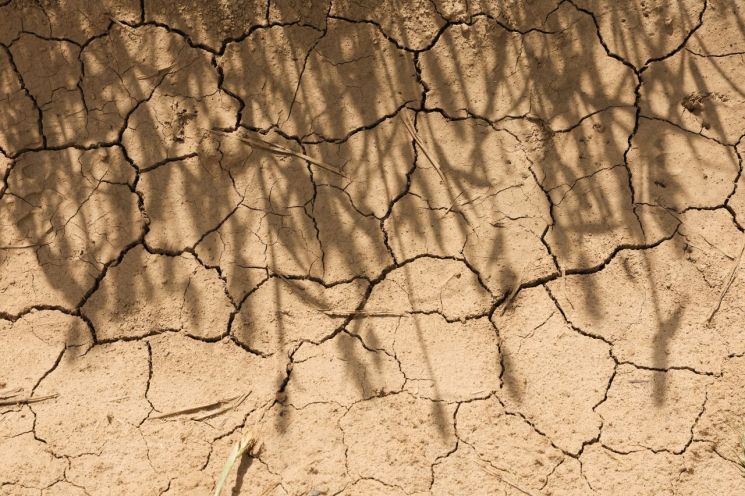 Cracked wheat field in France affected by the heatwave sweeping across Europe [Image source=Reuters Yonhap News]
Domestically, crop damage caused by climate change is also occurring one after another.
In Yanggu-gun, Gangwon-do, after continuous rainfall reaching 300mm from late last month to early this month, combined with temperatures exceeding 30 degrees Celsius, potatoes are rotting in the fields. Furthermore, due to the ongoing heatwave, bacterial soft rot disease is spreading, and the scale of damage is expected to increase further.
In Seogwipo City, Jeju, a major garlic production area, production has decreased due to poor growth. Recently, the average temperature has risen, and last year, an unusually large amount of rain fell in the western region of Jeju, creating hot and humid soil conditions that caused damage to roots, root hairs, and seeds. Secondarily, damage has increased due to root mites and black rot sclerotium disease.
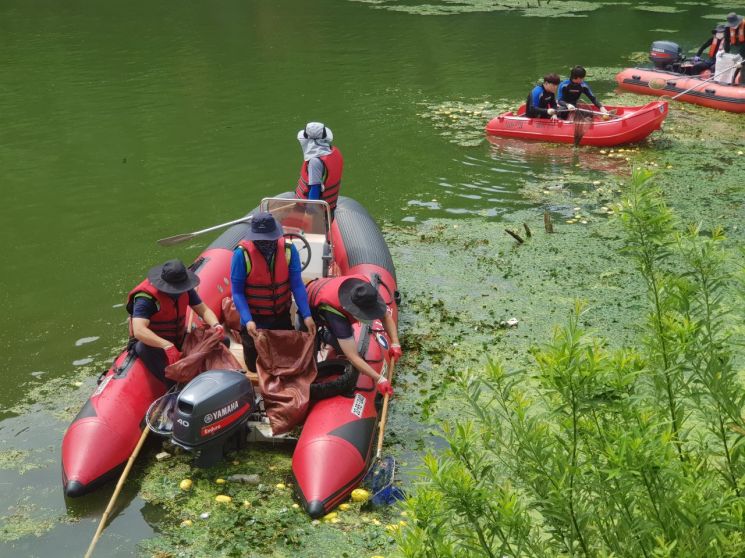 Participants in the river cleanup activity are collecting discarded Korean melons from a rubber boat. Photo by Daegu Regional Environmental Office
In Seongju-gun, low-quality melons increased due to climate change are floating in the Nakdong River, raising concerns about water pollution.
There has been a trend of increasing low-quality melons due to irregular climate, and the recent sharp rise in temperature caused more low-grade fruits than usual. Some farmers discarded these into irrigation canals, causing this problem.
In the case of discarded melons, it is illegal under related laws to dump waste, including food waste, into agricultural waterways or rivers.
Environmental groups pointed out, "If melons, which are organic matter clumps, flow into drinking water sources, it can lead to water pollution such as algal blooms."
© The Asia Business Daily(www.asiae.co.kr). All rights reserved.
![Clutching a Stolen Dior Bag, Saying "I Hate Being Poor but Real"... The Grotesque Con of a "Human Knockoff" [Slate]](https://cwcontent.asiae.co.kr/asiaresize/183/2026021902243444107_1771435474.jpg)

















