SPA Brand Product Prices Rise... Uniqlo "Impact of Raw Material and Logistics Cost Increase"
"Used Clothing Market to Grow 127% by 2026"
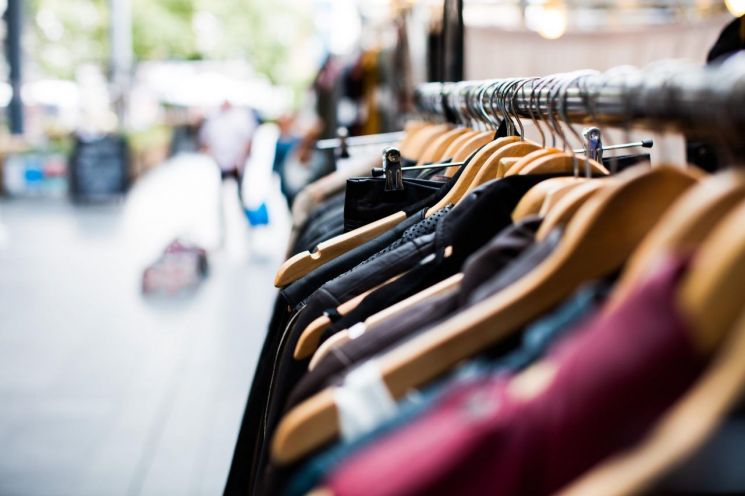
[Asia Economy Reporter Heo Midam] As prices soar rapidly, clothing prices are also rising accordingly. This is due to the increase in cotton prices used to make fabric, as well as soaring labor and logistics costs amid ongoing inflation. As a result, some consumers are purchasing fashion items such as clothes and shoes through secondhand transactions instead of department stores.
With the onset of a high inflation era, more people are buying and selling worn clothes through secondhand trading platforms. According to a survey conducted by the Korea Consumer Agency in April targeting 1,150 consumers who used four secondhand trading platforms (Joonggonara, Danggeun Market, Bungaejangter, and Hello Market), the main secondhand transaction items were household goods (21.1%), home appliances (16.2%), and clothing (13.7%) in that order.
The increased interest in secondhand clothing is related to the rise in clothing prices due to inflation. Earlier this year, SPA (Specialty retailer of Private label Apparel) brands raised product prices one after another. Uniqlo raised prices on some products starting from the 27th of last month. Uniqlo explained, "Due to the long-lasting increase in international raw material, logistics, and transportation costs, along with recent price hikes causing increased store and business operation expenses, it was inevitable to raise product prices."
ZARA and H&M also raised prices on some items earlier this year. ZARA increased prices by 5%, and H&M by around 10% on certain items. Meanwhile, Musinsa also raised the price of its private brand (PB) Mutandard chino pants by 6%, from 30,900 KRW to 32,900 KRW.
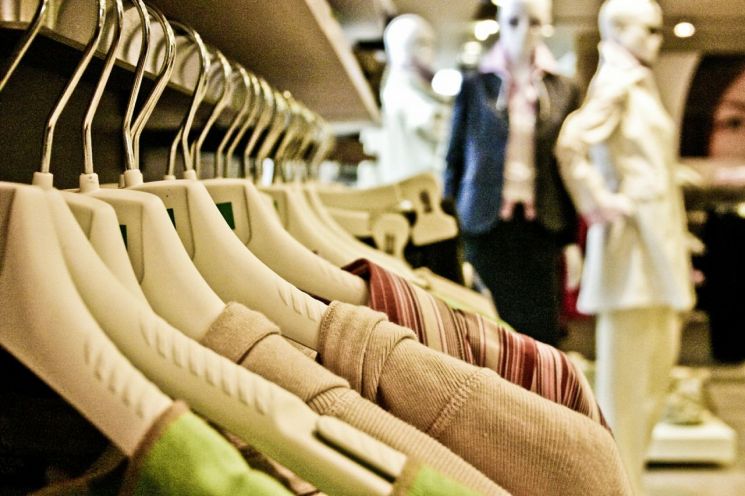
As a result, more people prefer secondhand clothing for reasonable consumption. Yang Eunyoung (26, pseudonym), an office worker who said she has used secondhand trading sites, said, "At first, I thought it would be uncomfortable since the clothes were worn by others. But after actually trading, I found many clean products and many unique designs that you can't find in the market," adding, "I intend to continue buying clothes through secondhand trading."
In the past, secondhand clothing was perceived as shabby compared to new products, but recently some people use secondhand clothing as a means of expressing individuality. Unlike mass production by established brands, it is difficult to find the same clothes in the secondhand clothing market, so people consider this a way to express their uniqueness.
A netizen who identified herself as a woman in her early 30s said, "When trading secondhand, you can find many unique clothes, and compared to similarly priced fast fashion clothes, you can get higher quality clothes," adding, "You can save money and enjoy a unique sensibility, solving both saving and styling at once."
Also, for the MZ generation (Millennials + Generation Z), secondhand trading means practicing eco-friendly consumption. Instead of leaving unused items idle or throwing them away, they give or sell them cheaply to those who need them, contributing to environmental protection.
Thanks to this trend, the global secondhand clothing market size is expected to grow further. According to a report jointly prepared by data analysis firms GlobalData and ThredUp, the global secondhand clothing market is projected to grow by 127% by 2026.
Professor Lee Eunhee of Inha University's Department of Consumer Studies said, "There are several reasons for the popularity of secondhand clothing. First, due to rising prices, more people want to consume reasonably," adding, "Also, many people think that piling up clothes at home does not align with 'minimalism.'" These people believe that "buying new clothes and throwing them away ultimately does not help the environment," so they try to engage in more sustainable and economical transactions through secondhand trading.
© The Asia Business Daily(www.asiae.co.kr). All rights reserved.
![Clutching a Stolen Dior Bag, Saying "I Hate Being Poor but Real"... The Grotesque Con of a "Human Knockoff" [Slate]](https://cwcontent.asiae.co.kr/asiaresize/183/2026021902243444107_1771435474.jpg)
















