[Asia Economy Reporter Lee Gwan-ju] The pharmaceutical and bio industries are celebrating as vaccine and advanced biopharmaceutical manufacturing technologies have been designated as core strategic technologies in the government's materials, parts, and equipment (SoBuJang) strategy. The establishment of a legal foundation to secure sovereignty in the pharmaceutical and bio sectors is expected to reduce the 'risk of failure.'
According to the pharmaceutical and bio industry on the 24th, the Ministry of Trade, Industry and Energy announced the addition of four bio-related technologies to the core strategic technologies of SoBuJang the day before. The added technology fields include ▲core materials and manufacturing technologies for vaccine production ▲vaccine formulation materials and manufacturing technologies ▲core cell and material manufacturing technologies for advanced biopharmaceutical production ▲cell culture materials and equipment manufacturing technologies for biopharmaceutical production.
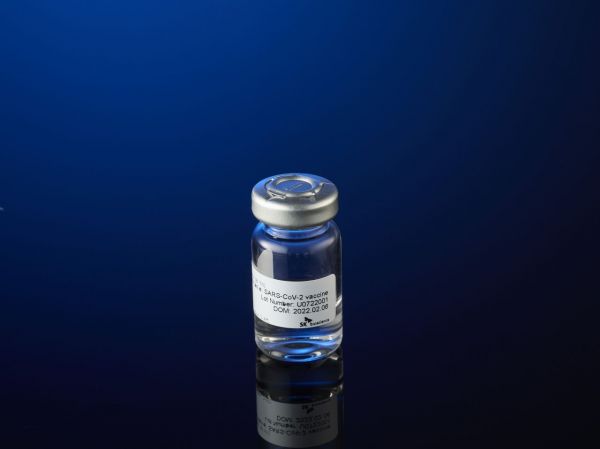
Specifically, vaccine manufacturing technologies such as messenger ribonucleic acid (mRNA) and viral vectors, well known for COVID-19 vaccines, and vaccine-related technologies essential for vaccine formulation such as lipid nanoparticles (LNP) have been comprehensively included as core strategic technologies. Domestically, SK Bioscience and eight other companies continue to produce COVID-19 vaccines, including the first domestically developed COVID-19 vaccine, Skycovione. In addition, foundational technologies for cell and gene therapies, emerging as advanced pharmaceuticals, are also included.
Various benefits are granted for core strategic technologies and items. First, eligibility to apply for the ‘Top Enterprise’ status is granted, and special exemptions for environmental and employment regulations are applied. Tax credits are provided for domestic and foreign SoBuJang company investments and acquisitions, along with support for easing private sector burdens in national technology development projects.
The pharmaceutical and bio industries are highly encouraged by this designation. Despite the importance of securing pharmaceutical and bio sovereignty during the COVID-19 pandemic, the bio sector had been excluded from the top 100 core strategic technologies until now. It is significant that the bio sector was included for the first time as a core strategic technology during the reorganization of core strategic technologies under the Ministry of Trade, Industry and Energy’s SoBuJang competitiveness enhancement plan in March this year.
Kim Dae-hyun, Policy Foundation Team Leader at the Korea Bio Association, explained, "This shows that the government has once again recognized the importance of the bio industry from the perspectives of industry and health security. Not only will we receive special support in advanced bio fields such as vaccines and cell and gene therapies, where we are latecomers, but a legal support foundation has also been established to swiftly secure technologies through overseas mergers and acquisitions (M&A)."
The industry hopes this designation will acknowledge pharmaceutical and bio companies' ‘right to fail.’ A domestic vaccine industry official said, "No matter how well vaccine or new drug development is done, it is an industry with a much higher possibility of failure. We hope support will be provided to look at it from a long-term perspective, find clues to success from failure, and continuously grow to create core technologies and products."
© The Asia Business Daily(www.asiae.co.kr). All rights reserved.

















