Reinitiating 'Gyeongbuk Tourism' as One of the Three Major Cultural Zones
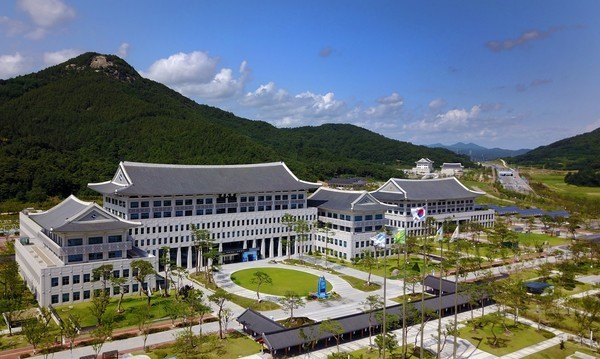
[Asia Economy Yeongnam Reporting Headquarters Reporter Kim Gui-yeol] Gyeongbuk Province is currently focusing on preparing tourism revitalization strategies that pay attention to the new tourism trend called Rustic Life, or localism.
Experience becomes memory, and memory leads to revisits. Curating experiences for visitors to a region is one way to define tourism.
There are various approaches to curation, but a very natural approach is to provide the rawness of the region as a high-quality experience.
So far, to enhance awareness of the three major cultures and brand them as tourism products, Gyeongbuk has been promoting tourism promotion projects encompassing the development of ‘HI STORY Gyeongbuk’ regional linked tourism products, establishment of the Gyeongbuk Tour Pass, and joint promotion of the three cultural zones since 2019.
However, due to the difficulties of the COVID-19 pandemic in 2020, there were limitations in fully implementing measures to directly attract tourists.
Recently, with the endemic phase, Gyeongbuk Province is promoting various support projects to revitalize the three cultural zones, introducing themed and experiential programs, and enabling regional linkage facilities to serve as hubs to attract tourists by showcasing the region’s most Korean charm.
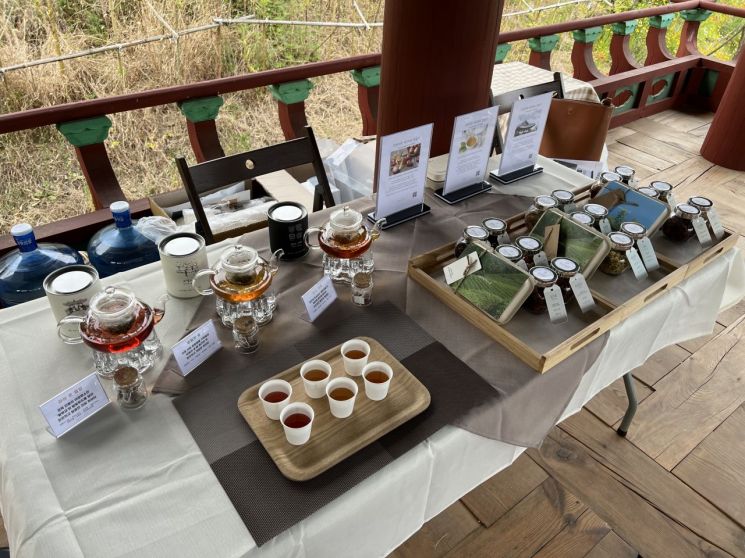
At Seonseonghyeon Cultural Complex, a sentimental hanok located in Dosan-myeon, Andong, various experiential programs such as ‘264 (Yi Yuk-sa) Wine’, a hanok pub harmonizing with local traditional liquor, tea leaf making, and hanok picnic products will be operated every weekend from this month through August with participation from local resident businesses.
Additionally, linked events are being planned to contribute to pre-buzz creation for the opening of the Andong International Convention Center and the Korean Culture Theme Park scheduled for September.
At Mungyeong Eco-rala, a large-scale cultural ecological complex theme park, a community of local youth businesses (including prospective startups) is being formed to build a locally driven tourism ecosystem led by the private sector, covering everything from idea conception to on-site operation.
So far, products such as the Lala Picnic product have been continuously sold, and events like the Eco Flea Market with a zero-waste campaign and indie live performances held on the outdoor lawn square have been planned and regularly operated under the title ‘2022 Lala Festival’ until October.
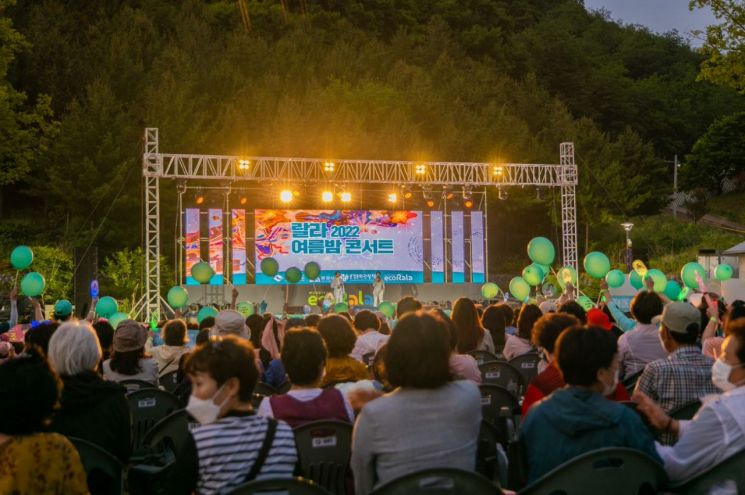
The Lala Summer Night Concert held on the 4th, featuring singers such as Lee Chan-won, Jo Myung-seop, Kim Na-hee, Hwang Yoon-sung, and youth fusion gugak performances like From310 and Nore Gaya Geumya Geum, sold out 700 limited package tourism products online within three minutes, and more than 2,000 attendees gathered on-site, raising expectations for the festival’s operation.
At the Yeongyang Jang Gye-hyang Cultural Experience Education Center, which uses ‘Eumsik Dimibang (飮食知味方) - The Way to Know the Taste of Food’, the best culinary classic of the Joseon Dynasty, as content, plans are underway to sell gourmet products through a modern reinterpretation of Eumsik Dimibang.
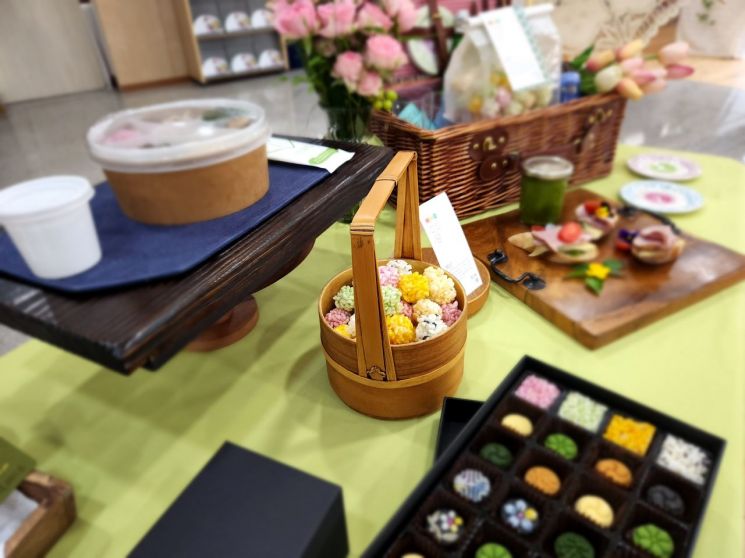
They have completed product development and prepared for sales by branding traditional tastes in a trendy way, including Japchae rice lunch boxes, K-desserts such as Baksan and Yaksan, and Dimisik (food) lunchbox and Dimidang (sugar) dessert brands.
At the Goryeong Daegaya Living Village, a family-oriented stay-type cultural tourism facility, various seasonal experiential programs themed around spring, summer, fall, and winter are operated.
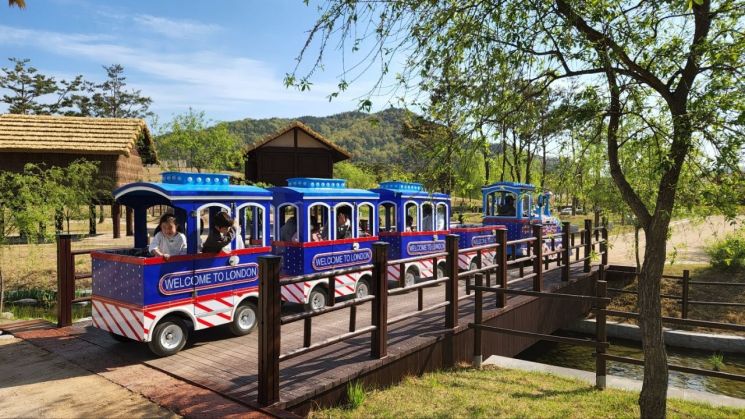
During the ‘spring’ theme period in April and May, Daegaya picnic products, attractions, and workshop experiences were operated every weekend, attracting over 6,500 paid visitors.
During the ‘summer’ theme period scheduled to start this month, water play activities, which were suspended due to COVID-19, will resume, and the region plans to be bustling with tourists during the vacation and summer holiday season by linking resident business experiences and food.
Among the infrastructure of the three cultural zones, regions such as Yeongyang, Yeongdeok, and Uljin operate stay-type experiential tourism programs suitable for the growing wellness tourism trend, enhancing the competitiveness of Gyeongbuk-style wellness tourism.
Uljin Geumgangsong Ecolium is a stay-type forest recreation facility composed of the Geumgangsong Healing Center and themed exhibition halls, and operates healing programs such as ‘Re;Birth Stay’, which packages yoga, wood carving, mulled wine, and cha-hun meditation with accommodation and healthy food.
This year, they plan to increase added value for Korea’s only ‘Geumgangsong’ themed wellness tourism by discovering and fostering specialized content and tourism products such as Nordic walking concept Geumgangsong trekking experiences and regular forest concerts.
At Yeomyeong (Travel and Meditation), a humanities healing center located in Changsumin, Yeongdeok, the ‘Clean Air Special City’, healing programs such as meditation, qigong exercises, and healthy food experiences are operated by a professional instructor team in a hanok complex near the thousand-year-old temple Jangyuksa.
With wellness program planning and operation including meditation (mind care), oriental medicine (qigong exercises), natural healthy food (yin-yang five elements), and musical healing, it stands out in specialized workshops for institutions and companies and small-scale MICE sectors.
From July to October this year, they are preparing the ‘2022 Hi-Wellness Festa’, which includes operating premium wellness products through exchanges with India, a country with a growing wellness industry, wellness markets (online and offline shopping), development of wellness signature products, expert workshops, and experiential festivals.
Lee Cheol-woo, Governor of Gyeongbuk Province, said, “We will build a glocalized tourism industry ecosystem unique to the region that satisfies both domestic and international tourists by utilizing the infrastructure of the three cultural zones,” adding, “We will make it a major driving force to move the huge cogwheel of regional economic revitalization through the tourism industry in the endemic era.”
© The Asia Business Daily(www.asiae.co.kr). All rights reserved.
![Clutching a Stolen Dior Bag, Saying "I Hate Being Poor but Real"... The Grotesque Con of a "Human Knockoff" [Slate]](https://cwcontent.asiae.co.kr/asiaresize/183/2026021902243444107_1771435474.jpg)


















