KDCA to Introduce 500 Doses of 'Decovirimat' Next Month
Infected Patients to Be Isolated and Treated at Central Infectious Disease Hospital
[Asia Economy Reporter Jo In-kyung] In preparation for the occurrence of monkeypox cases domestically, quarantine authorities will import 500 doses of the antiviral treatment 'Tecovirimat.' Patients confirmed with monkeypox will be isolated and hospitalized at the National Medical Center's Central Infectious Disease Hospital until they are no longer infectious, and a 21-day quarantine for high-risk groups such as sexual contacts of confirmed cases is being considered.
On the 14th, the Korea Disease Control and Prevention Agency (KDCA) announced the "Monkeypox Occurrence Preparedness and Response Plan" containing these measures. Additionally, a joint task force meeting was held on the same day with the Ministry of Agriculture, Food and Rural Affairs, Ministry of Environment, Ministry of Health and Welfare, and the National Fire Agency to discuss necessary matters among related ministries.
At the meeting, the KDCA plans to review the response system by sector, including confirmation of each ministry's responsibilities. They will also discuss detailed procedures to import approximately 500 doses of the antiviral drug Tecovirimat into the country next month. Tecovirimat is the only product approved overseas as a treatment for monkeypox and can be used for adults and pediatric patients weighing 13 kg or more.
The KDCA intends to continue reviewing additional purchases of Tecovirimat depending on the domestic situation. Furthermore, in the event of severe cases, the use of domestically stockpiled 'Cidofovir' and 'Vaccinia' immunoglobulin is also being considered.
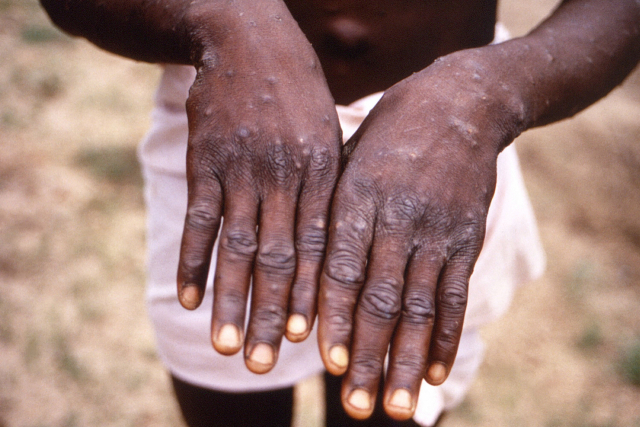
If a monkeypox patient occurs, they will be isolated and hospitalized at the Central Infectious Disease Hospital (National Medical Center) until infectiousness is lost, such as when skin lesion scabs fall off. Contacts of confirmed cases will be classified into three levels (high risk, medium risk, low risk) based on exposure level, and a limited 21-day quarantine is being considered only for high-risk contacts (cohabitants and sexual contacts within 21 days of symptom onset in the confirmed case).
The Ministry of Health and Welfare plans to operate a cooperation system for bed allocation and patient assignment by city and province to prevent infection and ensure rapid patient transfer in case of occurrence. The National Fire Agency has decided to establish and implement a monkeypox 119 response guideline to build a rapid patient transfer and response system by 119 emergency medical services in case of patient occurrence.
To prevent transmission from companion and wild animals to humans, cooperation with related ministries will also be strengthened. The Ministry of Environment requested the day before that all 109 zoos nationwide inform visitors of precautions when viewing primates and rodents imported from Africa. If any unusual cases are found in these animals, prompt measures will be taken, and a system to diagnose monkeypox in wild animals will also be established.
The Ministry of Agriculture, Food and Rural Affairs has been conducting quarantine measures since the 8th in accordance with the infectious disease crisis alert level "Attention" and plans to prepare management guidelines related to companion animals for monkeypox.
© The Asia Business Daily(www.asiae.co.kr). All rights reserved.