Rising Prices of Chamoe and Watermelon... Up 15% and 27% Compared to Last Year
Imported Fruits Also Increasing... Due to Higher International Oil Prices and Logistics Costs
[Asia Economy Reporter Song Seung-yoon] The prices of summer fruits are rising. The significant temperature differences caused by abnormal weather and the reduction in cultivation areas have greatly impacted the decrease in shipment volumes. Even imported fruits are experiencing price increases due to prolonged COVID-19 and rising logistics costs, increasing the burden on consumers.
According to the Agricultural Products Distribution Information from the Korea Agro-Fisheries & Food Trade Corporation on the 14th, the retail price of chamoe (Korean melon) averaged 21,225 won for 10 pieces the previous day. Compared to 18,413 won a year ago, this is more than a 15% increase.
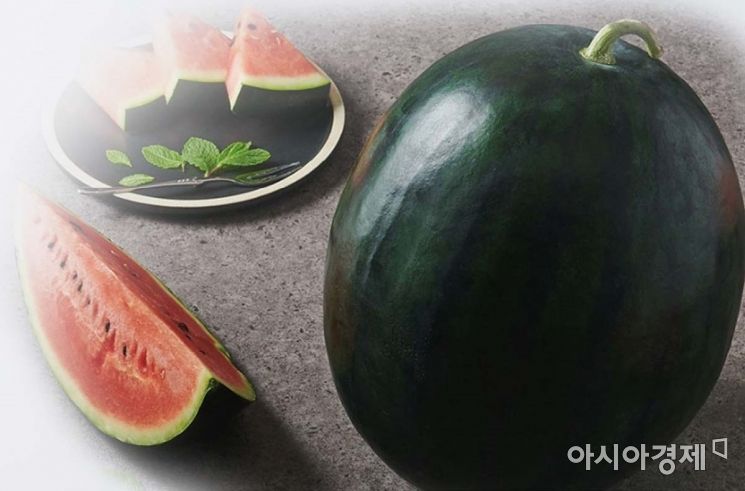
Watermelons are in a similar situation. As of the previous day, the retail price for one watermelon was 22,156 won, more than 27% higher than the same month last year (17,425 won). This is due to delayed growth caused by large temperature differences in spring and a decrease in cultivation area, resulting in reduced shipment volumes. Additionally, the recent ongoing drought has also had an impact.
 Asia Economy DB
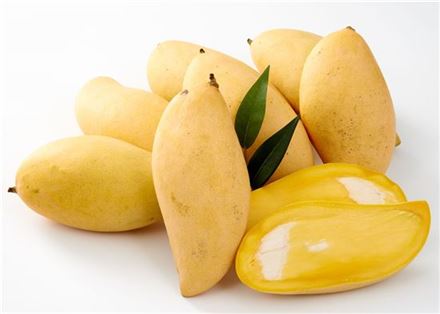
Imported fruits are also on the rise. Mangoes averaged 5,577 won each, 26% more expensive than a year ago (4,410 won), and pineapples increased by 9%, from 5,981 won to 6,544 won. New Zealand kiwifruits rose 17%, from 7,538 won to 8,821 won for 10 pieces. The prolonged COVID-19 situation has significantly contributed to increased international oil prices and logistics costs.
Other imported fruits are also likely to see price increases due to reduced import volumes. In the case of bananas, there were container supply issues in the Philippines, the main importing country, last month, and shipments from Central and South America are delayed this month, leading to a forecasted decrease in import volume compared to the previous year. Pineapple imports are also expected to decline compared to last year due to reduced harvest volumes caused by the rainy season in the Philippines.
Cherries saw a 22% decrease in import volume last month due to poor crop conditions in California, and avocado imports from the U.S. dropped by 21% compared to the previous year as the import cost of U.S. avocados increased.
© The Asia Business Daily(www.asiae.co.kr). All rights reserved.

















